Succession Planning: Your People, Your Board and Growing Your Own

Mark Pew

background image
July 17 | 12:00 pm – 1:00 pm EST

More than ever, it is imperative that organizations establish a plan to ensure the resiliency of their most important asset: their people. This session is intended to provide attendees with the steps to identify (potential) gaps in their organization’s succession planning for both internal staff as well as their committees/board. Additionally, attendees will also be provided with a template form and other resources that are key to establishing an effective succession plan.

Attendee Takeaways:

  1. Understand the succession planning (SP) needs of their organization
  2. Identify areas of immediate need (between 0-5 years)
  3. Create a plan of action for both internal/external succession needs

-

Presenters

Mark Pew

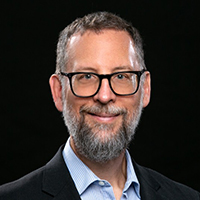
Mark is an award-winning international speaker, author and jurisdictional advisor in workers’ compensation. The RxProfessor has focused on the intersection of chronic pain and appropriate treatment since 2003. Mark created “Qualified Medical Intervention” that won a 2012 Business Insurance Innovation Award. He received WorkCompCentral’s Magna Comp Laude award in 2016, IAIABC’s Samuel Gompers Award in 2017, “Top 100 Healthcare Leader” by IFAH in 2021 and the Health 2.0 Outstanding Leadership award in 2022. He is co-founder of The Transitions and is on the advisory boards of Harvard MedTech, Simple Therapy and Goldfinch Health.


Sign Up for Our Education Newsletter

You Might Also Be Interested In

Smarter Fleets, Safer Streets: Leveraging Telematics, Cameras and AI for Safety, Accountability and Cost Control

June 17, 2026
This webinar highlights how the Hartford Parking Authority (HPA) uses Samsara’s telematics, camera technology, and AI-driven analytics to create smarter fleets and safer streets.

Read More
Detoxifying Safety Culture: Antidotes to Common OSHA Pitfalls

July 15, 2026
Safety culture isn’t built on compliance alone. Join Matt Phillips as he explores eight common “poisons” that sabotage workplace safety—and the practical “antidotes” to overcome them.

Read More
It’s All About the (Tax) Base, No Trouble: Risk Management on Any Budget

August 19, 2026
This presentation explores effective, scalable risk management strategies tailored to fit organizations of any size and budget.

Read More
EPLI-CHROs and Other Employment Claims

September 16, 2026
This webinar will highlight the key benefits of EPLI coverage, clarify the types of issues and claims these policies typically address, and walk you through best practices for responding to claims from regulatory agencies.

Read More
Roadway Safety, Defensive Driving, and Controlling Distractions

October 28, 2026
This training highlights the critical risks associated with distracted and unsafe driving, emphasizing how even brief lapses in attention can lead to severe consequences.

Read More
Navigating Property Risk in Today’s Realities: Value Trends, Critical Asset Risks and Continuity Planning

November 18, 2026
This session explores how changes in replacement costs and asset exposure affect capital planning, insurance adequacy, and organizational resilience. It also looks at the intersection of property risk and business continuity.

Read More
Artificial Intelligence and Digital Alerting: Essential Crash Mitigation Tools for Public Entities

December 16, 2026
This webinar explores the extreme vulnerabilities associated with police and other first responder vehicle operations and delivers meaningful takeaways for crash mitigation.

Read More
Value-Added Services: How to Get the Most from Your Insurance Partnerships

December 17, 2025
Value-added services can include a myriad of insurance and risk management support services provided in conjunction with insurance brokerage and insurance provider relationships.

Read More
Should We Get AI To Do That? Applying the NIST AI Framework to Potential AI Use

January 21, 2026
We will analyze the question through the lens of the NIST AI Risk Management Framework (AI RMF), a comprehensive guideline that assists organizations in identifying, assessing, managing, and monitoring the risks posed by artificial intelligence.

Read More