Trauma-Informed Leadership

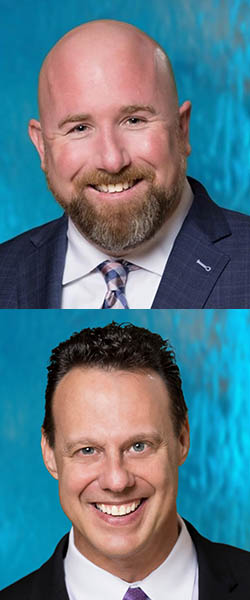
Ryan Gallik, Co-Founder, The Mental Hygiene Project
Michael Stahl, Managing Partner, The Mental Hygiene Project

background image
October 15, 2025 | 12:00 p.m. – 1:00 p.m. ET

Few organizational leaders have a clear understanding of trauma’s pervasive influence or how they can help employees address, manage and overcome what we refer to as “experienced trauma.” However, there exists an approach that transcends traditional notions of management, one that acknowledges the profound impact of trauma on individuals and organizations. It’s a leadership approach that seeks to heal, empower and foster growth: trauma-informed leadership.

Attendee Takeaways:

1. Understand the prevalence of trauma, and how that can impact the emotional and psychological needs of individuals and groups
2. Learn how to apply the four R’s (Realize, Recognize, Respond and Resist) during courageous conversations and interactions with employees to ultimately resist re-traumatizing individuals and/or groups
3. Strengthen awareness of the power of empathy, safety and trust and how cultivating those can have both human and financial impact
4. Gain knowledge on how developing a trauma-informed organization can give your association a true competitive advantage in recruiting, retention and engagement

-

Presenters

Ryan Gallik, Co-Founder, The Mental Hygiene Project
Michael Stahl, Managing Partner, The Mental Hygiene Project

Ryan is an award-winning speaker and author of Silent Mayday, The Clinician's Guide to Working with First Responders.  He is managing partner of The Mental Hygiene Project ®.  Ryan has 20 years of hands-on experience as a firefighter, EMT, paramedic and fire science educator. He has developed peer support and Critical Incident Stress Management (CISM) programs and has worked with clinical professionals including psychiatrists, psychologists and licensed mental health counselors to create initiatives and partnerships with industries to find post traumatic growth.

Michael is an international speaker and organizational transformation specialist who has delivered more than 2,500 paid speeches around the world in the last 25 years. He is Managing Partner of The Mental Hygiene Project®. As a aster Trainer with the Harrison Behavioral Traits Profile, Michael understands the “psychological eco-system” of both performance and how stress impacts mental health and results. He contributed to the best-selling book, 101 Great Ways to Improve Your Life and has appeared on a number of media outlets including CNN Financial News discussing the effects of burnout for individuals and organizations.


Sign Up for Our Education Newsletter

You Might Also Be Interested In

Occupational Physicals and Employee Wellness – Redirecting Costs

DECEMBER 16, 2020
By offering a robust employee wellness and occupational physical program, you can detect health conditions early that save lives and reduce the overall cost of treating medical conditions.

Read More
How Benefits Decisions Impact Risk Management

Even if we are fully insured in all lines under our risk management umbrella, each one of us will have to work on a variety of claims on behalf of our entity and some will rise to the level of a lawsuit.

Read More
Interaction of Actuarial Reports and Financial Statements

Actuarial and financial reports are interdependent and provide the boards and management the necessary financial information to fulfill fiduciary responsibility and make strategic program decisions. Understanding the roles of the two reports and where they interact will make readers savvier to understanding their programs and what questions to ask when reviewing the reports.

Read More
Effective Risk Management Planning and Claim Response to Natural Disasters

A risk assessment effort is only one part of a true ERM program. The most sustainable value comes from a shift in an entity’s culture with regards to how it considers, evaluates and acts on risks on an ongoing basis.

Read More
ERM Beyond the Risk Assessment – Framework, Principles, and Integration

A risk assessment effort is only one part of a true ERM program. The most sustainable value comes from a shift in an entity’s culture with regards to how it considers, evaluates and acts on risks on an ongoing basis.

Read More
2019 Webinar Archives

Previously-presented 2019 Webinars are available to PRIMA members to download.

Read More
ACA – Dead or Alive?

After the Affordable Care Act was fully deployed in 2014, political action has abounded to overturn its broad sweeping requirements.

Read More
Why Video Footage Isn’t Always the Answer

Risk management professionals must analyze public safety issues in two contexts: understanding the behavior behind a current claim and developing member programs to help to mitigate future risk. Video related to law enforcement interactions frequently become viral internet sensations and national news.

Read More
The Curse of Critical Incident Stress

Law enforcement personnel experience frightening potential outcomes when attempting to gauge the situation as they rush to protect. There are many factors at play including the expectations of society, protection of the officer, the collateral damage the perpetrator sets in motion as the violence escalates, critical incident stress, and the long-term impacts of a career in law enforcement.

Read More