Answering Their Call: Honoring 9/11 First Responders
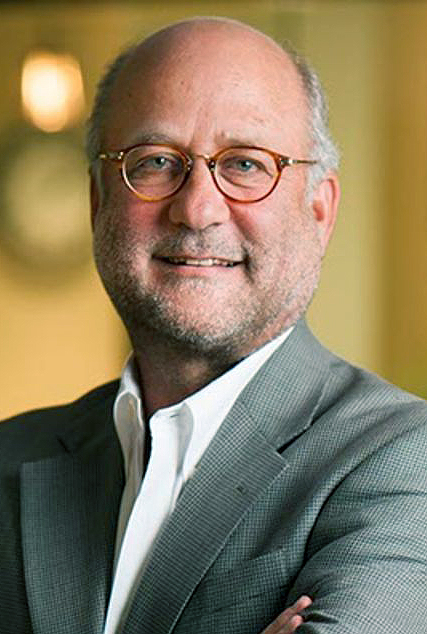
Dr. Tomer Anbar
CEO, Institutes of Health

September 11 is not only a day of remembrance, it is a call to action. The men and women who ran into danger to save lives still fight another battle today: delayed or denied care for the injuries and trauma they sustained in the line of duty. Workers’ compensation was created to ensure that no injured worker is left behind. It is time to restore that original mission.
The New York City 9/11 Memorial & Museum reminds us that the sacrifice did not end when the towers fell. Thousands of responders continue to battle PTSD, respiratory illness, depression, and substance use disorders. Too many still wait for care that should have been immediate.
Suicide has become the leading killer of first responders. In 2017, more firefighters and police officers died by suicide than in the line of duty. Up to 30% of responders develop PTSD or substance use disorders, and EMS workers are nearly 40% more likely to die by suicide than civilians. These are not statistics, they are fathers, mothers, sisters, and brothers lost to a preventable crisis.
Despite PTSD being a recognized line-of-duty condition, claims are denied at rates higher than many physical injuries. Too often, outdated practices, reliance on flawed studies, and adversarial processes delay treatment until it is too late. This undermines the very spirit of workers’ compensation, which was created to guarantee protection, not prolong suffering.
Cities like San Diego are proving what is possible. By streamlining access, embracing evidence-based treatment, and intervening early, return-to-work rates for responders with PTSD now exceed 90%. Across the country, a new generation of HR leaders, risk managers, and claims professionals is rejecting legacy practices and pioneering reforms that save lives while reducing costs.
We know what works: early intervention, rapid access to vetted care, and a culture of trust instead of denial. To honor our heroes, we must restore workers’ compensation to its founding mission, support leaders driving reform, and make transparency and accountability the rule: not the exception.
As we bow our heads this September 11, let us ask: do we truly honor our heroes if we abandon them in their aftermath? The museum shows us their struggle. The data shows us their suffering. Their families show us their loss. Now we must answer their call, by ensuring the systems meant to protect them deliver care in the spirit with which they were created. That is how we honor sacrifice, not just with remembrance, but with action.
Dr. Tomer Anbar
CEO, Institutes of Health
Biography
Dr. Tomer Anbar is CEO of the Institutes of Health (IOH), specializing in the research and advanced treatment of such epidemics as chronic pain, complex post-traumatic stress disorder, substance use disorder, brain injuries and related conditions. IOH comprises specialty clinics and institutes, each with a specific focus and mission. The First Responder Institute is a component of the Institutes of Health engineered to recognize and respond to the unique challenges these professionals face.