Roadway Safety, Defensive Driving, and Controlling Distractions

Ariel Jenkins, CSP, CPCU, ARM-P, ARM-E, AIDA, MBA, Assistant Vice President, Risk Control, Safety National

background image
October 28 | 12:00 p.m. – 1:00 p.m. ET

This training highlights the critical risks of distracted and unsafe driving, emphasizing that even brief lapses in attention can lead to severe consequences. It covers defensive driving strategies, including proper following distances, mirror adjustments, safe intersection practices, and awareness of pedestrians, cyclists, and inclement weather. Special focus is placed on reducing distractions from mobile devices and multitasking, supported by real-world accident statistics and scenarios. The session includes tailored safety considerations for law enforcement and other high-risk driving environments.

Attendee Takeaways:

  1. Recognize distracted driving risks through data, reaction times, and safe communication practices
  2. Apply defensive driving skills with safe distances, proper mirror use, and hazard anticipation
  3. Adapt to conditions by adjusting for weather, visibility, and vulnerable road users
  4. Commit to safety protocols for backing, load securement, and operational driving

Presenter
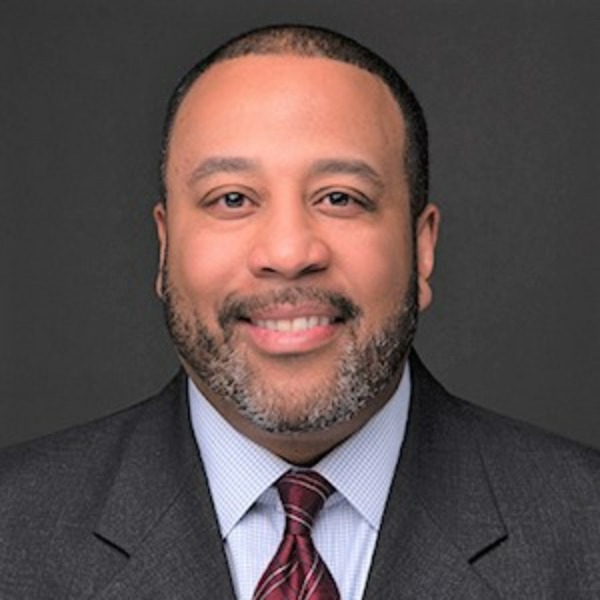
Ariel Jenkins, CSP, CPCU, ARM-P, ARM-E, AIDA, MBA, Assistant Vice President, Risk Control, Safety National
Ariel is a property and casualty risk control and safety professional with more than 25 years of experience. He specializes in assessing exposures, implementing practical safety programs, and leading initiatives that reduce claims and strengthen organizational resilience. With expertise in enterprise risk management and occupational safety, Ariel delivers measurable improvements in compliance, culture and performance. He is also committed to mentoring future leaders and advancing innovation in risk control.


Sign Up for Our Education Newsletter

You Might Also Be Interested In

Should a Captive Be in Your Future?

Captive insurance companies are becoming more common among Universities and Special Districts and have potential for cities and counties. Captives are not just a different form of self-insurance, but the creation and operating of your own insurance company – an insurance company with the flexibility to meet your specific coverage needs.

Read More
Driving a Risk Management Program for Your Public Fleet Operations

In providing uninterrupted services 24/7, a public entity’s fleet contains a variety of motor vehicles, many of which create unique liability exposures requiring special controls and driver training.

Read More
The Secrets Behind Successful OCIPs

What are the secrets behind successful Owner Controlled Insurance Programs (OCIPs)? In this hot construction market, OCIPs offer public entities, schools, and colleges a better method of controlling construction costs and improving project outcomes.

Read More
#YouToo: Lifecycle of a Sexual Misconduct Claim

The #MeToo movement has resulted in increasing sexual misconduct claims against perpetrators and the public entities (#YouToo) for whom they work or volunteer.

Read More
Creating a Culture of Emergency Preparedness

The question for most schools is not if a disaster will happen to them, but when. Being prepared for a disaster, be it an act of violence, natural disaster, or something else, before it strikes can help mitigate both losses and trauma.

Read More
Wake Up and Win!

A dynamic and engaging presentation designed to teach you how to pursue your work whole-heartedly and challenge you to stretch both as a leader and team-member.

Read More
Care and Program Considerations for Underrepresented Populations

Today’s workforce is more dynamic than ever before. In the public risk arena population segments such as first responders require a unique understanding and approach.

Read More
Leveraging Telehealth to Redefine Intake and Proactively Manage Care

Attendees will learn how intake can be bifurcated to address both care management in tandem with claims management. See how to create a virtual occupational medicine clinic and its impact on your patient population.

Read More
Virtual COVID-19 Reopening Task Force Roundtable

Presenters describe pre-existing policies/procedures that are instrumental in an entity’s ability to manage the current health crisis.

Read More