BUILDING A ROCK-SOLID RISK CONTROL PLAN
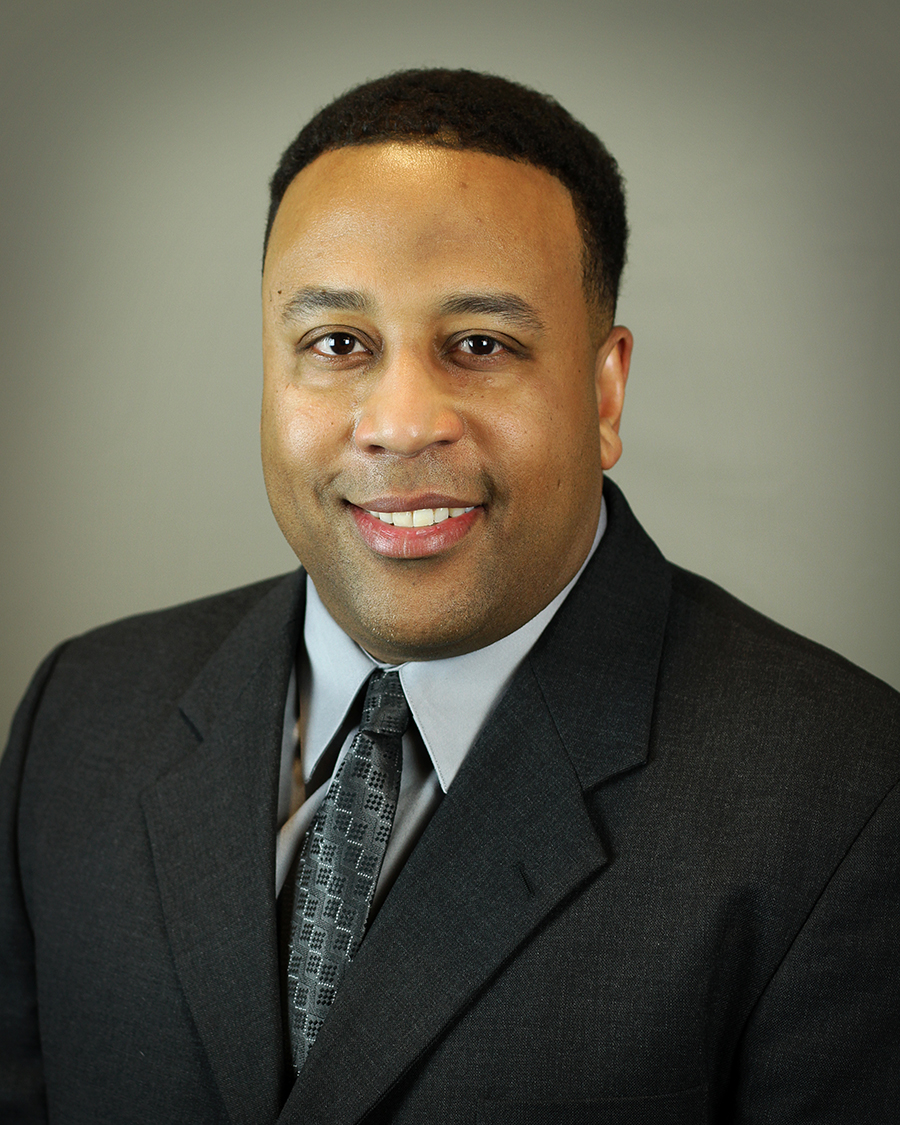
Ariel Jenkins
Director - Risk Control, Safety National

You are now assigned safety and risk management duties for your organization. Now what? Where do you start? Fundamentally, the past is one of the best indicators of the future. Therefore, it is best to get a snapshot of what the lack of safety and ineffective risk management has produced in the form of losses or claims. For risk control plan building purposes, it is recommended to review and analyze claims data from a minimum of 48 months from the most current data. In this context, analyze means to determine which categories of claims are the most frequent and/or severe. The severity of claims are, of course, measured by the dollar amount of the loss. Be sure to analyze claims data in the main areas of risk management, including workers’ compensation, auto liability, general liability, employment practices liability, law enforcement liability, and property risks. Analyzing claims data in all of the main areas of risk management will help you identify the top priorities when building your risk control plan. You may have to retrieve additional information from your finance department to provide a clearer picture of losses or claims that are not covered by insurance or included in TPA claims reports.
After analyzing the frequency and severity of your claims/losses, the next step in building any plan is to define and articulate what the risk control plan intends to accomplish, and in what timeframe. The risk control plan may be related to some measurable goal within your organization and should reflect impact on multiple departments, thus, it is critical to involve multiple departments in the planning process. The best plans are built when multiple stakeholders own a part of the risk control plan and realize the financial and human cost related to the lack of safety and risk management. A good tool to use when involving multiple stakeholders in risk control planning is a risk assessment matrix. This tool can put into perspective what operations and loss areas are the most risky in terms of the frequency, severity, and likelihood of claims.
As some of us know, claims and subsequent losses are going to occur regardless of the strength of any safety or risk management program. It is in these moments where program weaknesses succumb to risks that ultimately lead to losses. In the insurance industry, we refer to these moments as residual risk. Residual risk remains regardless of all the efforts and progress made by your safety and risk management program. If claims frequently surface in certain areas, this usually indicates residual risk in those areas, which signifies additional opportunities to strengthen your risk management program. Residual risk can also be measured using the aforementioned risk assessment matrix. Strengthening your risk control program should be both strategic and tactical and should address what can be accomplished in the short-term and long-term.
Conclusively, there is a financial and human cost to maintaining the status quo and remaining stagnant with respect to the risk control function of your risk management program. The multi-million dollar question: “Is the status quo sustainable and worth it?”
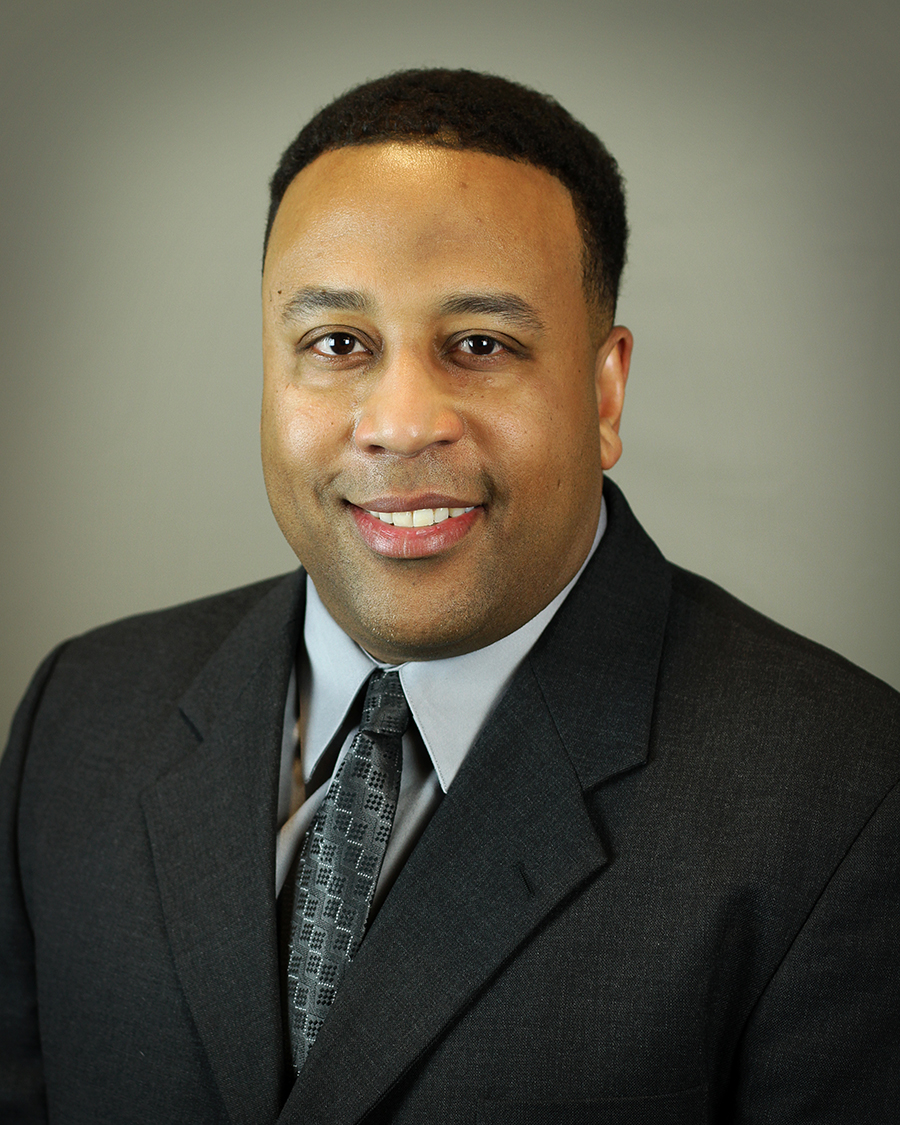
By: Ariel Jenkins
Director - Risk Control, Safety National
Summary of Qualifications
Ariel has a broad base of knowledge and experience in the areas of workers’ compensation, ergonomics, industrial hygiene, OSHA, fleet safety, auto liability, general liability, and safety & health program auditing & assessment. He has experience working with the manufacturing, construction, ground and air transportation, retail, healthcare, public entities, technology, and service industries.
Responsibilities
Ariel is responsible for leading and directing technical risk control content and managing risk control services for clients (policyholders) of Safety National. He is also responsible for leading and directing risk control resources associated with the public entity practice and E&S product lines.
Business Experience
Ariel is a risk control professional with over 20 years of experience. Prior to joining Safety National, Ariel worked at a major insurance carrier, serving in various capacities as a technical loss prevention consultant of national market accounts. During this time he was assigned as district safety consultant for the largest transportation company, and one of the largest employers in the U.S. Ariel began his career as a safety consultant with the Missouri Department of Labor and Industrial Relations in the Division of Workers' Compensation, where he was responsible for monitoring the loss control services of insurance carriers and performing risk evaluations for self-insured applicants.
ERM Experience
Ariel has provided consultation for a fortune 500 company on aspects of ERM with respect to multiple stakeholder operational and strategic risks.
Professional Affiliations
Ariel has earned his certified safety professional (CSP) designation and is also an associates in both risk management (ARM) and enterprise-wide risk management (ARM-E). He is a member of the American Society of Safety Engineers (ASSE), and served as sustainability chair for the Missouri Safety Council in 2009.
Education
Ariel is a graduate of the University of Central Missouri with a bachelor’s degree in industrial safety management. He also earned a Master of Business Administration degree from Lindenwood University in St. Charles, MO.
You Might Also Be Interested In


NICHOLAS ESTY’S STUDENT SCHOLAR REFLECTION

Nicholas Esty

PRIMA’s 2017 Annual Conference in Phoenix, AZ was a lot of fun due to the people I met, the things I learned, and the new experiences I had. My trip began on Sunday, June 4th. Later that day, I attended a Welcome Reception in the Valley of the Sun Ballroom where I had a great time networking and listening to a live band.
Monday started with a motivational speech by Randy Anderson, where he spoke on his “Twelve Rules for Pursuing Personal Excellence”. I highly recommend that you check them out for yourself. Afterwards, I attended the tradeshow where I talked with company representatives, filled my bags with swag and even checked out an autonomous vehicle and a VR tornado simulator. My first educational session was called “Higher Controversy: Marijuana in the Workplace” and it was presented by Matthew Fisher. It intrigued me because it’s such a prevalent and controversial topic at the moment (as the name suggests). I then attended the PRIMA Awards Luncheon where we got a chance to recognize the great work that people have been doing in the industry. Another one of my favorite sessions was titled “Deceit and Fraud Detection Strategies,” presented by Ted Richards and Dalene Bartholomew. They provided unbelievable stories regarding the extreme lengths people go to in an effort to commit fraud. They also explained how the fraudsters were caught and brought to trial. One of the best experiences of the entire trip was the Travelers-sponsored outing to the Hall of Flame Fire Museum. After that, we had a BBQ dinner at Rustler’s Rooste overlooking the Phoenix skyline.
Tuesday began with a thought-provoking session titled “Perception is Reality or is Reality Truly Perceived? Media Coverage and Police Brutality Cases,” presented by Michele Molinario and Amelia Esber. During this session, we watched news reports on real life incidents and voted in real time whether we believed they were justified. After the vote, we were introduced to more of the facts and reasoning behind the case in preparation for a revote. It was amazing to see how vastly people’s opinions changed once given the opportunity to see the case from all angles. PRIMA’s Signature Social Event at the Arizona Science Center took place Tuesday night. I had a great night of enjoying food, music, cool science exhibits and roller coaster rides in the planetarium.
Wednesday included another one of my favorite sessions, “People of ACTION Don’t Have Time to THINK,” presented by James Billingsley and Terri Evans. The presentation delved into the psychology of why we think the way we do and was very interactive and informative. After the PRIMA events were over, I got a chance to check out the Wells Fargo History Museum and the Desert Botanical Garden, both of which I highly recommend for anyone visiting Phoenix.
I would like to thank everyone involved for giving me the opportunity to go on this amazing trip across the country to learn about public risk management. Not only did I have a ton of fun, I also extracted a great deal of knowledge and made some lasting connections. I hope everyone that attended feels the same way as I do and if you did not get a chance to attend this year, I highly recommend you attend next year’s annual conference in Indianapolis, Indiana.
By: Nicholas Esty
Nicholas Esty is a sophomore at the University of Southern Maine pursuing a B.S. in finance and risk management & insurance. He is the treasurer of his school’s chapter of Gamma Iota Sigma and recently became a licensed life and health producer in the State of Maine.
You Might Also Be Interested In
CREATING A CULTURE OF SAFETY THAT PREVENTS ABUSE OF MINORS
Aaron Lundberg
President and CEO, Praesidium

The Harvard Business Review previously reported that 70% of all change initiatives fail.[1]This statistic acts as a reminder to leaders of one very important fact: The mere existence of a goal, however worthy, is not enough to enact change. Youth-serving organizations would be hard-pressed to identify a worthier goal than abuse prevention. So, what is that extra ingredient needed to create a culture of safety?
During Praesidium’s 25-year existence working toward prevention of abuse of minors and vulnerable adults, we have observed that organizations fall into three categories. Some organizations fall into a state of complacency. Complacent organizations tend to rest on their laurels as well as their history of no serious incidents. A second category of organizations have reached a state of compliance. We hear compliant organizations describe how they satisfy the legal requirements and do things like complete background checks, train employees on mandated reporting, or adhere to licensing requirements. However, these organizations can lack a quality possessed by those in the third category – commitment.
Committed organizations have moved past the stage where abuse prevention exists as a concept on the periphery of their core organizational goal. These organizations recognize the connection between child abuse prevention and their organizational purpose. They are also aware that an incident of child abuse will detract from their ability to accomplish goals in the short term and may also jeopardize the organization’s existence in the long term.
The transformation to commitment takes place through a four-step process where organizations:
- Gain support from a voice at the top
- Set clear expectations
- Build a system of support and resources
- Establish systems of accountability
Organizations need to gain the support of individuals that can provide resources, support initiatives through positive and negative consequences, and engage with the hearts and minds of the organizational community in order to establish a culture of safety. Rather than simply offering training that educates employees when hired, committed organizations develop a training program that continuously reminds employees of their role in preventing abuse. The culture of safety needs to be defined so that a common understanding exists within the organization regarding what needs to be done and why it needs to be done. The organization must establish a system of accountability that reinforces goals at every level, not only vertically from leadership but horizontally across teams. Mechanisms must be developed by which the organization can continuously learn from successes and failures. Leadership must continue involvement both in the creation of the culture of safety and the maintenance of its continued existence.
Whether beginning from a state of complacency or compliance, your organization can become committed to establishing a safe environment for the minors in your care.
[1] Nitin Nohria and Michael Beer. “Cracking the Code of Change,” Harvard Business Review (May-June 2000). Available at https://hbr.org/2000/05/cracking-the-code-of-change.
By: Aaron Lundberg
President and CEO, Praesidium
Summary of Qualifications
Aaron Lundberg oversees all operations and product development at Praesidium. For the last 17 years, he has worked with the leadership of large-scale human service organizations across the United States and abroad to develop, implement, and monitor abuse prevention policies and training programs. He supervises Praesidium’s team of account managers and has personally trained thousands of direct care workers, supervisors, administrators, and boards of directors in preventing the sexual abuse of children and vulnerable adults. Mr. Lundberg has assessed, analyzed and consulted on hundreds of cases of sexual abuse within a wide range of organizations. With a bachelor’s degree in psychology from Texas Tech University and a master’s degree in social work from the University of Texas at Arlington, Mr. Lundberg has conducted extensive research in the etiology, scope, and prevention of abuse in organizations.
Responsibilities
As President and CEO, Aaron Lundberg oversees all operations and product development at Praesidium.
Professional Affiliations
University Risk Management and Insurance Association (URMIA)
Society of Corporate Compliance and Ethics (SCCE)
Foster Family Treatment Association (FFTA)
Education
Bachelor's in psychology, Texas Tech University
Master's in social work, University of Texas at Arlington
You Might Also Be Interested In
DEVELOPING A POST-INJURY MANAGEMENT PROGRAM
Kevin O'Sadnick, CSP
Risk Control Manager, Safety National

The development of your Post-Injury Management Program (PIM) should be a goal that permeates throughout the entire organization. It is also recommended that the workers’ compensation (WC) process and Post-Injury Management Program be communicated to employees at the time of their new-hire orientation. Successful communication of WC and PIM Programs is critical! It should include a discussion of what WC is and also review the importance of prompt injury reporting, what should be done after an injury, designated medical providers, how medical bills are handled, and lost work benefits. The ultimate goal in explaining this is to ease any possible post-injury concern your employee could face.
It is believed that when employees have an understanding of the WC process and their employer’s PIM Program, they are less likely to hire legal representation. Successfully explaining the WC process and PIM Programs will display your company’s commitment and play a big role in successfully getting employees back to work. Every company should also make it a point to find out what their local WC regulations are in relation to whether they are able to direct medical care for injured employees. Most recommend researching nearby urgent care facilities or clinics close to their facilities. It is also not a bad idea to discuss with these facilities their average wait times for walk-in injures and even their capabilities for any post-injury drug or alcohol testing.
Another critical aspect of Post-Injury Management Programs is the manner in which the company representative responds or reacts when an employee injury is reported. Remember, the “bedside manner” of the person who takes an injured worker report will set the tone for this program’s success or failure. In order to respond appropriately to an injured employee, representatives should take an approach similar to the way one would respond to their child or loved one after an injury. An employee reporting an injury should receive a feeling of empathy, care, and non-judgement. Also, keep in mind that post-injury discussions or analysis should be strictly fact-finding, as opposed to fault-finding. The last thing an injured employee should feel is that their employer is out to get them or does not believe their account of what happened. Accident reports should always be non-biased and specific to facts. Communicate any doubts or concerns relative to the legitimacy of a work-related injury to your WC carrier and let them handle things from there.
Finally, when an injured employee returns to work with “restrictions” or “light duty”, make sure their direct manager reviews and fully understands the restrictions. These managers should keep an eye on and communicate with the recovering employee to ensure their work restrictions are truly a good fit for their capabilities. The last thing anyone wants is to have an employee working beyond his or her true capabilities, resulting in a new injury or worsening of his or her existing injury. It is also a good idea to ensure an employee with work restrictions is not working beyond the doctor’s restrictions. If an employee feels that their work restrictions are too limiting, or that they are capable of more, get them back to a physician for updated restrictions or possibly a full release.
By: Kevin O'Sadnick, CSP
Risk Control Manager, Safety National
Summary of Qualifications
Kevin is a risk control professional with over 13 years experience. Kevin has a broad base of knowledge and experience involving broker relationships, workers’ compensation, ergonomics, industrial hygiene, OSHA, fleet safety, auto liability, general liability, and property protection. He has experience working with the manufacturing, construction, retail, public entities, and service industries. Kevin began his career as a loss control consultant at a construction company where he was responsible for overseeing day-to-day job site safety as well as OSHA compliance and training. He later moved on to work at a major insurance carrier serving in various capacities as a senior loss control representative. He most recently worked as a loss control consultant at a Missouri-based insurance broker.
Responsibilities
Kevin is responsible for providing technical advice, managing risk control functions and coordinating risk control service for clients (policyholders) of Safety National. Kevin represents Safety National as a thought leader on risk control subjects and assists with developing new resources and enhancing existing resources.
Professional Affiliations
American Society of Safety Engineers
Board of Certified Safety Professionals
Education
Kevin is a graduate of the University of Central Missouri with a bachelor’s degree in safety management. Kevin is a Certified Safety Professional (CSP), a certified OSHA Outreach Trainer for General Industry, a registered loss control consultant in the state of Texas and an approved field safety representative in the state of Arkansas. Kevin is also a member of the American Society of Safety Engineers (ASSE).
You Might Also Be Interested In
PREPARING TO MARKET YOUR PUBLIC ENTITY
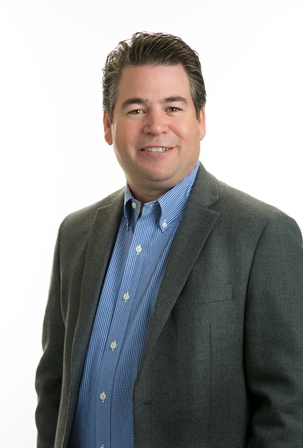
Bradley York
President, OneBeacon Government Risks

Getting ready to market your public entity for property and casualty insurance coverage can be a challenging and lengthy process filled with a multitude of questions, forms and risk reviews. Basically, your entity has three options to consider when it comes to finding property and casualty coverages; you can access coverage through a self-funded risk pool, pure self-insurance or a traditional, yet specialized, insurance carrier.
In a risk pool, public entities combine their buying power to purchase coverage. Because a pool spreads risk among its members, it’s important to pay close attention to the pool limits, terms, conditions and financial strength as well as determine if the coverage is adequate for your overall exposure. Other equally important considerations are the concept of golden handcuffs, such as any provisions for claims-paid when exploring other options and future assessments, either during the terms of coverage or even years later.
Self-insurance is an alternative option, but typically reserved for much larger entities that enjoy a significant budget and resources to carry their own risk. This is a complicated option as the entity is responsible for setting aside the appropriate amount of reserves to finance unforeseen losses in both past and future years, as well as managing all aspects of the claim process.
Accessing an insurance carrier is a popular option for local governments. Admitted insurance carriers are regulated and required to maintain a financial position which is independently reviewed by rating agencies. A carrier’s financial position is a reflection of the carrier’s claims paying abilities. As such, generally an insurance carrier will have established a greater financial position than a pool and contractually assume the responsibility of risk from the public entity. When evaluating different carriers, a public entity may consider the carrier’s A.M. Best financial strength rating, longevity in the market and whether the carrier is admitted or non-admitted in a specific state. Additionally, find out if the carrier specializes exclusively in public entity coverage rather than being a generalist in their insurance product offerings. It is important the carrier understand a public entity’s wide range of exposures, unique coverage needs and high value of assets. As with any partner or option, ensure those resources are available to you, in the form of dedicated and knowledgeable underwriting, claims and risk control personnel.
If you choose to go to market, here are the documents you should be prepared to provide:
- Current loss runs for at least the past three but preferably five years. If you can supply loss runs for the last 8-10 years, it may help with your pricing.
- Accurate property schedules with appropriate valuations. Although not required, appraisals are helpful and will benefit you to ensure adequate and appropriate coverage. And don’t overlook what could end up being millions of dollars in forgotten utilities such as electrical equipment, pumps, etc.
- If you’re securing an auto policy, you’ll need an auto schedule with vehicles tracked by department.
When you receive your quote, pay close attention to what’s being proposed. Don’t just look at the bottom line price. Although it’s vital to stay within your budget, you may want to consider a weighted grading scale where consideration such as claims handling and risk control services are considered. Sometimes justifying a higher premium for more robust coverage and services offered is worth the conversation with your stakeholders.
By: Bradley York
President, OneBeacon Government Risks
Summary of Qualififcations
Brad has worked more than 25 years in the insurance industry, almost exclusively in the public sector. Prior to joining OneBeacon in 2007, Brad spent 14 years in the public entity division of a national carrier in increasingly responsible regional and national roles. Brad is actively involved in developing coverage forms and products, monitoring trends for public entities and managing agent relationships. He also has extensive experience in public entity legal issues and claims management. Brad holds a Master of Business and has achieved the AIC and SCLA designations.
You Might Also Be Interested In
WORKERS’ COMPENSATION & RETURN TO WORK PROGRAMS: 3 REASONS FOR FAILURE AND HOW TO OVERCOME THEM (PART 3)
Gary Jennings, CPCU, ARM, ALCM, AIC, ARe, SCLA
Principal of Strategic Claims Direction, LLC

In the two previous blogs, we mentioned three reasons why many Return to Work (RTW) programs are not successful. They are:
- The leaders who can make it happen are not willing to lead,
- The program lacks incentives and rewards for the people most responsible for its success, and
- It is treated as a “shiny object” program rather than a behavior change.
This third and final blog in the series will cover the final topic:
REASON # 3: IT IS TREATED AS A “SHINY OBJECT” PROGRAM RATHER THAN A BEHAVIOR CHANGE.
While working in the corporate world, you may see senior leadership roll out new ideas, concepts, and programs that have a short shelf life because leadership moves on to another “shiny object”. In some cases, the leaders have good intentions. In other cases, these programs are intended to address a short-term issue that has arisen, which leads to the program being forgotten once conditions improve. On other occasions, the program may be the program du jour that we have seen over the years, meeting a perceived need that an industry pundit has identified and solved for their financial benefit. In fact, the word “program” has been used to describe so many quickly forgotten ideas that it has developed a negative connotation.
If that is the case, how does senior leadership convince everyone that this is a real goal or project that will live on and not just a brief blip in the corporate history? Leaders must convince everyone that both the problem and the solution to the problem is real. Senior leadership must give the RTW program:
- Top-level attention in discussions and presentations
- Sufficient resources (people, processes and systems) to reasonably accomplish the goals or program that has been presented
- Clear target dates for completion of various steps toward the desired state, some of which must be short-term to demonstrate continuing commitment
- Regular reports on accomplishments and targets met, and
- A method for maintaining resources for the program when other tempting ideas (“shiny objects”) surface.
Some corporations and public entities have a good reputation for identifying problems and solutions and sticking to their guns to make things happen. Others do not, so they must continuously emphasize the program so that it is recognized as something that is going to be a new behavior, not just another program du jour.
All three of the reasons presented that lead to unsuccessful RTW programs are certainly not exhaustive, but rather some of the most basic. Hopefully you will provide your recommendations on ways to address these and other barriers that will lead to success.
By: Gary Jennings, CPCU, ARM, ALCM, AIC, ARe, SCLA
Principal of Strategic Claims Direction, LLC
Summary of Qualifications
Gary Jennings, CPCU, ARM, ALCM, AIC, ARe, SCLE, is a property/casualty claims consultant with over 40 years of claims experience. He has worked over 20 years as a claims consultant and has served many public entity clients. Since forming Strategic Claims Direction (SCD) over 7 years ago, most of his clients have been in the public entity sector. Prior to forming SCD, Gary worked for insurers, third party administrators, corporations, independent adjusters, and two of the "Big 4" consulting firms (PwC LLP and KPMG LLP). His employment experience allows him to bring a wide range of expertise to his clients to help them develop their claims programs. Gary is a frequent speaker at professional conferences and has authored numerous articles, some of them being included in PUBLIC Risk magazine. His next PUBLIC RISK article is scheduled for October 2016.
Reponsibilities
SCD performs a wide variety of claims-related engagements. Gary leads and performs all engagements. He works throughout the United States performing:
1. Claims audits, to compare the program to leading industry practices and/or contract requirements, These audits may be to meet statutory requirements, to meet AGRiP certification, or to meet requirements set out by the board of directors or commissioners.
2. Reserve reviews to evaluate the reasonableness of reserving procedures and the estimates. This may be needed when public entity risk management programs merge, when a concern arises about reserving by a TPA or self-administered program, or to support a casualty actuarial evaluation.
3. Claims efficiency studies, which include an analysis of the claims processes to identify redundant or unnecessary steps, to determine if the claims personnel should be realigned to optimize Return on Investment (ROI), to determine if system enhancements are necessary to improve efficiency, or if other steps are needed.
4. Assistance in TPA selection, including development of the claims-related requirements, creation of a grading methodology, identifying TPAs that meet the clients' needs regarding expertise and geographic spread, evaluating proposals as received, and working throughout the TPA selection process to select the TPA that best meets the clients' needs.
5. Developing claims manuals or other procedural documentation to provide direction for public entity risk management staff, TPAs, medical management organizations, and others.
6. Provide expert testimony relative to claims handling, reserving, and excess insurance reporting.
Business Experience
Prior to forming SCD Gary worked for the following firms:
Crawford & Company - Director Technology & Process Management
KPMG LLP - Manager, Claims Consulting
PwC LLP - Director, Claims Consulting
International Paper - Supervisor, Workers' Compensation Claims
Travelers Insurance - Claims Supervisor
This broad experience from several different perspectives provides Gary with the ability to provide his clients with "real world" answers to improve their programs.
Professional Affliliations
CPCU
Georgia PRIMA
Education
BS BA - University of Tennessee, Knoxville
You Might Also Be Interested In
SAFETY COMMITTEES: LET’S TALK ABOUT PERSONALITIES!
Marilyn L. Rivers, CPCU, ARM, AIC
Director of Risk and Safety/Safety & Compliance Officer, City of Saratoga Springs

I’m often asked how to best manage the risk and safety of a community. Like many of you across our great globe, I’d answer with one word – consensus. Consensus requires a mixture of hope, perseverance, courage, and partnership. Risk is about the ebb and flow of partnerships. Its achievement is often hard won and bittersweet, but extremely rewarding when all the planets align.
Our collective greatest resources are our people…our risk family. Let’s talk about the people that assist you in achieving your consensus. They come in all shapes and sizes with a multitude of personality. The composition of your team capitalizes on all its strengths and tries to minimize its weaknesses. Personalities manifest themselves in the idiosyncrasies of individual dress, mannerisms or speech. More often than not, we might agree that the more colorful the attire, the more colorful the personality, right? More importantly, the more colorful the partner, the more imaginative the opportunity for consensus!
Our partners in risk and safety are varied. Each of us brings our education, definition of common sense, upbringing, departmental needs and perception of reality to every risk and safety discussion we have.
Whoever said patience is a virtue missed the opportunity of being a public risk manager for a day. Many people we know may have preconceived notions about risk and the people who manage it. I often hear stories from my contemporaries who think that the public perceives us as ogres, trolls or people with a huge red marker with “NO” tattooed across our foreheads.
How many times have you been introduced by your boss to members of another division or the public and the comeback is “Why I’d never have guessed it was you who made my life miserable…I’ve always pictured you as something different.”
Safety Committees are a wonderful melting pot of reality and the opportunity for the totality of a group to be “different.” They have the capacity to offer sanctuary by embracing the richness of all of the personalities contained within the team, which results in the team coming together to achieve common goals. Embracing the acceptance of our differences and the nuances of our consensus is what makes our committee a macrocosm of the very best of who we all are.
By: Marilyn L. Rivers, CPCU, ARM, AIC
Director of Risk and Safety/Safety & Compliance Officer, City of Saratoga Springs
Summary of Qualifications
20+ years of experience in risk financing, operations and safety management
2014 - Present, President, NYPRIMA
2013 PRIMA President's Award
Strategic Chairperson/Educator PRIMA Institute PI 15 - Albuquerque, NM; PI 14 Louisville, KY; PI 13 Milwaukee, WI; and PI 12 - Charlotte, NC.
Vice Chairperson, RIMS Standards and Practices Committee - Participating in the formulation of international policy concerning risk management, January 2014. Committee member 2012 to Present.
Educator and lecturer on risk, insurance, facilities and safety management including PRIMA Podcasts.
2007 PRIMA Public Risk Manager of the Year.
Responsibilities
As director of risk and safety, Marilyn is responsible for the city's claims management, contract administration, litigation management, safety, and compliance programs. She also contributes her expertise in fiscal oversight, compliance, administration, delivering cost reductions, policy development and management. Additionally, Marilyn serves as the chairperson of the City of Saratoga Springs' Safety Committee.
Business Experience
Marilyn possesses private sector experience in healthcare risk management on both local and national levels, corporate operations experience for an internet engineering dot-com, as well as 13 years of experience in the public sector. She is a regular Risk and Insurance magazine columnist.
Professional Affiliations
RIMS - Risk and Insurance Management Society
The National Safety Council
PRIMA - Public Risk Management Association
PRIMA NY - Public Risk Management Association, New York Chapter
Education
B.S. in Chemistry, Clarkson University
M.Ed., Tufts University
CPCU, Chartered Property Casualty Underwriter designation, American Institute for Chartered Property Casualty Underwriters
AIC, Associate in Claims designation, American Institute for Chartered Property Casualty Underwriters
ARM, Associate in Risk Management designation, American Institute for Chartered Property Casualty Underwriters
You Might Also Be Interested In
WORKERS’ COMPENSATION & RETURN TO WORK PROGRAMS: 3 REASONS FOR FAILURE AND HOW TO OVERCOME THEM (PART 2)
Gary Jennings, CPCU, ARM, ALCM, AIC, ARe, SCLA
Principal of Strategic Claims Direction, LLC

In January, we began a series of blogs focusing on Return to Work (RTW) programs. As we discussed in the previous blog, the people most responsible for the overall success or failure of RTW programs are those in senior management positions. No RTW program can get off of the ground without the support of these executives. While those in senior management are responsible for setting the tone at the top, the supervisors and managers in charge of daily operations are responsible for the day-to-day success or failure of the RTW program.
REASON # 2: PROGRAMS MAY NOT CREATE REWARDS AND INCENTIVES FOR THE PEOPLE MOST RESPONSIBLE FOR ITS SUCCESS.
I once worked for a large global manufacturing company. On one occasion while training our operational personnel on workers’ compensation management, one of the regional managers told me something that I will never forget. He said, “The supervisors make more decisions in a day than I make in a month. It is hard for them to go from the problems related to day-to-day manufacturing to thinking of successful ways to handle workers’ compensation claims. “
Although he may have been exaggerating when he said the floor supervisors made more decisions in a day than he made in a month, I got his point. The supervisors’ primary responsibility is to manufacture as much product as possible, as cost effectively as possible, on a daily basis. They will deal with absent employees, malfunctioning machines, irregular raw materials, and a host of other problems. The introduction of more responsibilities, including figuring out how to fit injured employees on restricted duties into the daily pandemonium of the workplace, can slow production and result in greater cost of goods sold. Furthermore, these RTW duties will require more dedicated time from the supervisor, so long as the employee is on restricted duty.
So how do we make RTW programs a priority for supervisors?
To facilitate a successful RTW program, rewards should be associated with RTW goals when evaluating supervisors’ performances. For example, it would be counterproductive to the RTW program if the supervisor based all rewards and penalties simply on the goal of manufacturing as fast as possible. If the supervisor sets the precedent that workers’ compensation claims costs are too high and reducing employee absences is something that must be addressed, direct workers’ compensation costs and indirect costs will be reduced. As a result, the supervisor should be rewarded for enhancing the RTW program, even if the cost of goods sold increases.
The third blog will address an ongoing problem for RTW programs as well as other leadership programs that are often intended to address short-term goals rather than create a long-term benefit.
By: Gary Jennings, CPCU, ARM, ALCM, AIC, ARe, SCLA
Principal of Strategic Claims Direction, LLC
Summary of Qualifications
Gary Jennings, CPCU, ARM, ALCM, AIC, ARe, SCLE, is a property/casualty claims consultant with over 40 years of claims experience. He has worked over 20 years as a claims consultant and has served many public entity clients. Since forming Strategic Claims Direction (SCD) over 7 years ago, most of his clients have been in the public entity sector. Prior to forming SCD, Gary worked for insurers, third party administrators, corporations, independent adjusters, and two of the "Big 4" consulting firms (PwC LLP and KPMG LLP). His employment experience allows him to bring a wide range of expertise to his clients to help them develop their claims programs. Gary is a frequent speaker at professional conferences and has authored numerous articles, some of them being included in PUBLIC Risk magazine. His next PUBLIC RISK article is scheduled for October 2016.
Reponsibilities
SCD performs a wide variety of claims-related engagements. Gary leads and performs all engagements. He works throughout the United States performing:
1. Claims audits, to compare the program to leading industry practices and/or contract requirements, These audits may be to meet statutory requirements, to meet AGRiP certification, or to meet requirements set out by the board of directors or commissioners.
2. Reserve reviews to evaluate the reasonableness of reserving procedures and the estimates. This may be needed when public entity risk management programs merge, when a concern arises about reserving by a TPA or self-administered program, or to support a casualty actuarial evaluation.
3. Claims efficiency studies, which include an analysis of the claims processes to identify redundant or unnecessary steps, to determine if the claims personnel should be realigned to optimize Return on Investment (ROI), to determine if system enhancements are necessary to improve efficiency, or if other steps are needed.
4. Assistance in TPA selection, including development of the claims-related requirements, creation of a grading methodology, identifying TPAs that meet the clients' needs regarding expertise and geographic spread, evaluating proposals as received, and working throughout the TPA selection process to select the TPA that best meets the clients' needs.
5. Developing claims manuals or other procedural documentation to provide direction for public entity risk management staff, TPAs, medical management organizations, and others.
6. Provide expert testimony relative to claims handling, reserving, and excess insurance reporting.
Business Experience
Prior to forming SCD Gary worked for the following firms:
Crawford & Company - Director Technology & Process Management
KPMG LLP - Manager, Claims Consulting
PwC LLP - Director, Claims Consulting
International Paper - Supervisor, Workers' Compensation Claims
Travelers Insurance - Claims Supervisor
This broad experience from several different perspectives provides Gary with the ability to provide his clients with "real world" answers to improve their programs.
Professional Affliliations
CPCU
Georgia PRIMA
Education
BS BA - University of Tennessee, Knoxville
You Might Also Be Interested In
REBOOTING YOUR SAFETY CULTURE
Peter Thomas Hallez
Peter Thomas Hallez

Building a “safety culture” in your organization can be challenging and, once successfully established, you might wonder how long will it remain in good working order? Some influences that can alter the safety mindset of your team are changes in management or even changes in your superiors. “TIME” is also a huge factor in the stabilization of your organization’s safety culture. Safety improvements will only last so long until the unforeseen hazards reveal themselves. Let’s face it; we live in an ever-changing world where organizations have to adapt in order to run concurrently with safety regulations.
Currently in my organization, the safety culture has become a little bit stagnate in some of my departments. Due to this so-called “dry spell”, I plan to reboot it. It is important to think about what factors will need to be considered when rebooting your safety culture. What do the employees in your organization believe about your mission and vision statement? What departments are the most challenging to get in front of? What resources are available to you and your organization to help spread the safety message? What support is needed to be successful? Lastly, what is the best way to communicate with your team? All of these questions will need to be answered if you want to reboot your safety culture successfully.
“Family” is a word I would use to describe an organization that has a successful working safety culture. Think about it; many people spend more time at work then they actually do at home with their real families. With that said, your organization should treat their employees like family and have an open and welcoming environment. Being excited to see your work family will boost the morale in your organization and happy employees miss less days of work, are more productive, and take more pride in their work. This is definitely how I want my employees to feel when they come to work in my organization.
Communication is one of the strongest tools an organization can have. Keeping your employees abreast of loss trends, updated safety info, and trainings will help reduce the likelihood of them being injured. On top of that, creating an open two-way communication, with all employees, will only increase employee job satisfaction. Knowing that an employee can have their opinion heard goes a long way in any environment.
Leadership buy-in will be one of the most crucial key components, as without it, any ideas will fade and disappear. Leaders who believe in what they preach will be supported and will build the buy-in of their employees. Having all employees on the same mindset about the importance of safety creates a successful safety culture. A successfully operating safety culture will then become the norm or, as the saying goes, “the way we do things around here”.
With all that said on rebooting your safety culture, I have identified the departments that I will be working with in my organization and have already achieved support from leadership. I plan to create a 10-15 minute webcast that I can share with all employees in these departments. I chose this communication style, as these groups are the hardest to get together for in person batch trainings. I will share facts about each group’s loss trends along with a solution that reflects our organization’s mission and vision statement. I also encourage you to comment on challenges you’re facing or successes you are celebrating in your organization. Until next time…
By: Peter Thomas Hallez
Loss Control Manager, Aurora Public Schools
Summary of Qualifications
Over 6 years working as the Loss Control Manager for Aurora Public Schools overseeing 4600 employees and 67 school and administrative sites.
Identify and analyze loss trends. Develop, implement and monitor methods to minimize number of losses and/or mitigate severity of losses.
Develop and implement safety training to meet the identified needs of District employees. Coordinate crossing guard training.
Perform accident investigations to identify root cause and generate recommendations to reduce/eliminate hazards contributing to the accident. Provide training to supervisors in proper accident documentation.
Perform or coordinate ergonomic evaluations. Assist in the evaluation for purchase of safety goods and services.
Work with schools, departments and concerned citizens to address areas of perceived/identified loss exposures, identify related issues, problem solve and assist in the implementation of solutions.
Evaluate vehicular & pedestrian movement at school sites for hazardous conditions. Coordinate involvement of appropriate District departments or other governmental jurisdictions to achieve safe conditions. Create traffic procedure maps for school leadership as needed.
Integrate appropriate safety messages into the existing communication vehicles.
Maintain playground inspection certification and perform annual playground inspections. Keep inspection findings organized and easily accessible. Enter work orders when repairs are required.
Facilitate safety teams to reinforce a culture that acknowledges the importance of safety across the District.
Participate in the Coordinated School Health Team and Wellness Committee meetings.
Maintain the Risk Management website and annually review human resources new employee training materials for accuracy concerning risk management matters.
Active member of the Incident Response Team.
Responsibilities
Responsible for identifying, analyzing, developing and implementing loss control methods.
Responsible for developing, coordinating and/or conducting safety programs and training for employees.
Responsible for playground inspections, traffic evaluations, accident investigations and coordinating safety committees.
Business Experience
Risk Management
Loss Control
Workers' Compensation
Certified Playground Safety Inspector
Ergonomics
Safety & Security
Professional Affliliations
Public Risk Management Association (PRIMA)
Colorado Chapter http://www.coloradoprima.org/
• Past President Conference Chair (2016)
• President of the Board (2015)
• Vice President of the Board, 2014
• Board member (2012-13)
National Education Committee member (2015-17)
Education
Metropolitan State University of Denver, CO (May 2006)
Bachelor of Science, Aviation Technology – Aerospace Operations
Minor, General Business
Private Pilot License
You Might Also Be Interested In
WORKERS’ COMPENSATION & RETURN TO WORK PROGRAMS: 3 REASONS FOR FAILURE AND HOW TO OVERCOME THEM (PART 1)
Gary Jennings, CPCU, ARM, ALCM, AIC, ARe, SCLA
Principal of Strategic Claims Direction, LLC
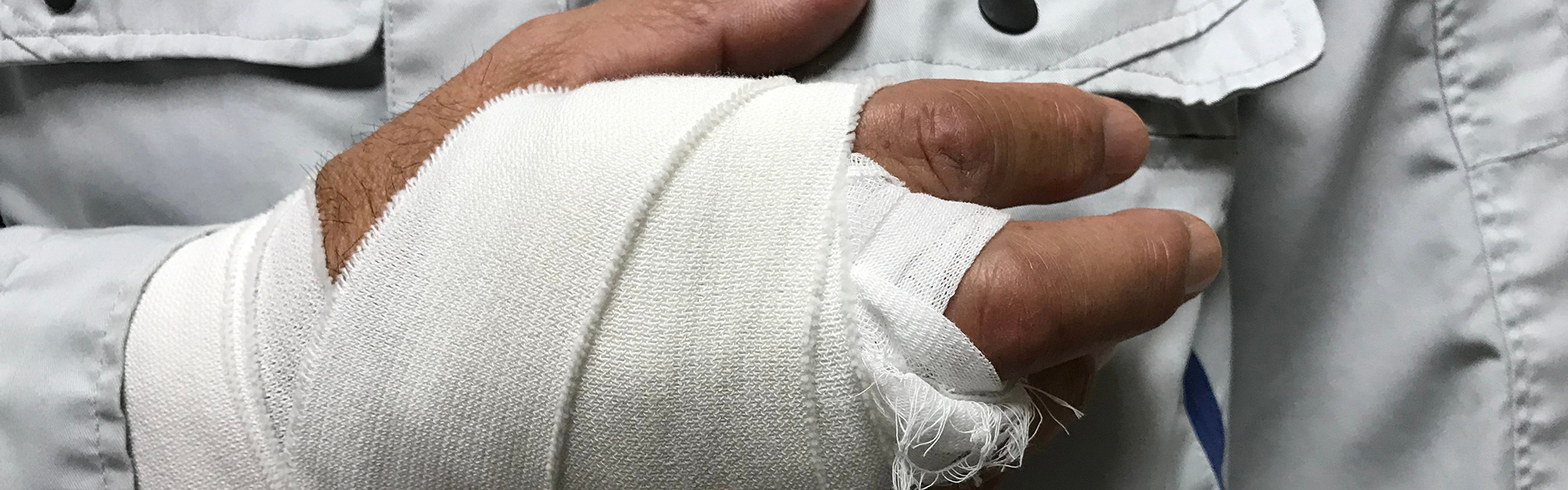
Running a successful Return to Work Program (RTW) is hard work. However, it is critical to reduce workers’ compensation claims costs. I have worked with public entities with superior RTW programs while simultaneously working with other public entities who said they couldn’t set them up. These were sometimes public entities with similar operations and employee characteristics with widely varying attitudes and outcomes.
If RTW programs are beneficial, then why aren’t more public entities using them? There are three primary reasons why many Return to Work programs are not successful, the first of which will be discussed in this blog. The three reasons are:
- The leaders who can make it happen are not willing to lead,
- The program lacks incentives and rewards for the people most responsible for its success, and
- It is treated as a “shiny object” program rather than a behavior change.
REASON # 1: THE LEADERS WHO CAN MAKE IT HAPPEN ARE NOT WILLING TO LEAD
To avoid RTW program failures, leaders must be willing to make the hard decisions and require the hard work needed.
Why wouldn't they make the hard decisions? Some will say:
- “We won’t save that much.”
- “Our jobs or circumstances are different / too strenuous.”
- “Our supervisors don’t have time for this.”
- “The doctors won’t go along with it.”
- “Human Resources doesn’t think we can do it.”
- “The unions won’t allow it.”
- “We don’t have the people or expertise required.”
- “Our claims people/TPA should already be doing this.”
While it is safe to say that a Return to Work program cannot eliminate all lost time (LT) claims payments, the Pareto principal, also sometimes referred to as the 80/20 rule, applies in workers’ compensation also. In my experience, 15 to 25% of the claims will generate 80%, 85%, 90% or even more of the claims costs. The following pie charts display this data:
If you sort your claims by highest total incurred cost, you will probably see that the most costly claims are not those that had the most severe injuries, although these obviously can be very costly, but those in which the employees’ time off from work has continued on and on. If these costs are allowed to linger, then the current and subsequent budget years will have a growing layer of costs on top of new claims costs that must be budgeted and funded into the future.
This data will clearly show that you need a RTW program. When this is understood, senior management must work on understanding and overcoming the typical objections mentioned earlier and utilize creativity to unearth solutions. Senior management, once it is willing to lead, will then realize that many of these objections are simply barriers erected by people who do not understand the importance of addressing this issue or who are reluctant to change the status quo.
We all work hardest on the things that will benefit us, so Part 2 will focus on the benefits to different people and departments that will help drive success.
By: Gary Jennings, CPCU, ARM, ALCM, AIC, ARe, SCLA
Principal of Strategic Claims Direction, LLC
Summary of Qualifications
Gary Jennings, CPCU, ARM, ALCM, AIC, ARe, SCLE, is a property/casualty claims consultant with over 40 years of claims experience. He has worked over 20 years as a claims consultant and has served many public entity clients. Since forming Strategic Claims Direction (SCD) over 7 years ago, most of his clients have been in the public entity sector. Prior to forming SCD, Gary worked for insurers, third party administrators, corporations, independent adjusters, and two of the "Big 4" consulting firms (PwC LLP and KPMG LLP). His employment experience allows him to bring a wide range of expertise to his clients to help them develop their claims programs. Gary is a frequent speaker at professional conferences and has authored numerous articles, some of them being included in PUBLIC Risk magazine. His next PUBLIC RISK article is scheduled for October 2016.
Reponsibilities
SCD performs a wide variety of claims-related engagements. Gary leads and performs all engagements. He works throughout the United States performing:
1. Claims audits, to compare the program to leading industry practices and/or contract requirements, These audits may be to meet statutory requirements, to meet AGRiP certification, or to meet requirements set out by the board of directors or commissioners.
2. Reserve reviews to evaluate the reasonableness of reserving procedures and the estimates. This may be needed when public entity risk management programs merge, when a concern arises about reserving by a TPA or self-administered program, or to support a casualty actuarial evaluation.
3. Claims efficiency studies, which include an analysis of the claims processes to identify redundant or unnecessary steps, to determine if the claims personnel should be realigned to optimize Return on Investment (ROI), to determine if system enhancements are necessary to improve efficiency, or if other steps are needed.
4. Assistance in TPA selection, including development of the claims-related requirements, creation of a grading methodology, identifying TPAs that meet the clients' needs regarding expertise and geographic spread, evaluating proposals as received, and working throughout the TPA selection process to select the TPA that best meets the clients' needs.
5. Developing claims manuals or other procedural documentation to provide direction for public entity risk management staff, TPAs, medical management organizations, and others.
6. Provide expert testimony relative to claims handling, reserving, and excess insurance reporting.
Business Experience
Prior to forming SCD Gary worked for the following firms:
Crawford & Company - Director Technology & Process Management
KPMG LLP - Manager, Claims Consulting
PwC LLP - Director, Claims Consulting
International Paper - Supervisor, Workers' Compensation Claims
Travelers Insurance - Claims Supervisor
This broad experience from several different perspectives provides Gary with the ability to provide his clients with "real world" answers to improve their programs.
Professional Affliliations
CPCU
Georgia PRIMA
Education
BS BA - University of Tennessee, Knoxville