Risk Management Mitigation in Procurement
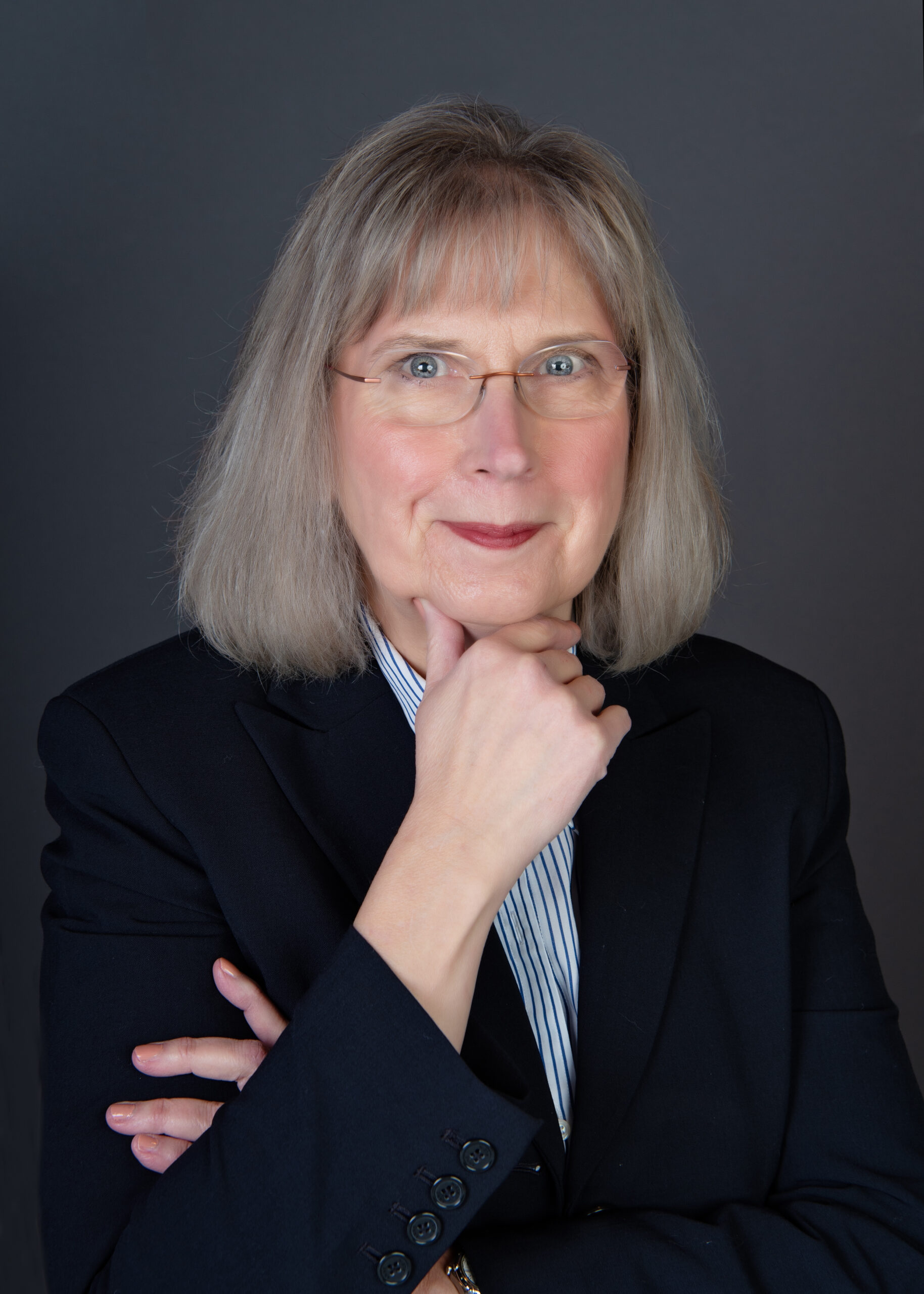
Marilyn Rivers
CEO, Rivers Risk Consulting

In this episode, Marilyn Rivers explains how public entities can reduce supply chain and vendor risks by bringing procurement, risk management, legal, IT, and finance together. She shares practical guidance on vendor vetting, contract terms, insurance, backup suppliers, ongoing monitoring, and controls that help prevent payment fraud. Drawing on lessons from the pandemic and real-world examples, Marilyn makes the case that regular communication and strong partnerships are essential to operational resilience.
*The views and opinions expressed in the Public Risk Management Association (PRIMA) blogs/podcasts are those of each respective author/speaker. The views and opinions do not necessarily reflect the official policy or position of PRIMA.*
Marilyn Rivers
CEO, Rivers Risk Consulting
Biography
Marilyn Rivers is a nationally recognized strategic risk management professional and educator specializing in public and private governance. She has thirty-five years of experience in public and private sector strategic risk management, with expertise in program development, fiscal oversight, and education designed to meet the evolving needs of governance. Marilyn is CEO of Rivers Risk Consulting.
She has a BS in Chemistry from Clarkson University and an MEd from Tufts University, and holds professional designations as a Chartered Property Casualty Underwriter, Associate in Risk Management and Associate in Claims.
She also provides national education through PRIMA’s Speakers Bureau, webinars, and blogs. Her awards include the Public Risk Management Association (PRIMA) Risk Manager of the Year, the PRIMA President’s Award for Excellence, the Lions International Robert J. Uplinger Award, Knight of the Blind, and the Melvin Jones Fellowship Distinguished Service Award.
You Might Also Be Interested In



Accident Governance: Closing the Hidden Gaps After Vehicle Accidents

Ingrid Cook Moravitz
CEO, SHzoom Technologies, Inc.
In this episode, Ingrid Cook Moravitz explains why accident governance matters after vehicle accidents and how fragmented processes can create hidden financial, operational, and legal risks. She discusses the role of risk leaders in coordinating teams, connecting documentation, and ensuring decisions are visible and accountable from the first notice of loss through resolution and recovery. Listeners will also get three practical questions to assess governance gaps and learn why a unified process can reduce duplicated work while improving oversight.
*The views and opinions expressed in the Public Risk Management Association (PRIMA) blogs/podcasts are those of each respective author/speaker. The views and opinions do not necessarily reflect the official policy or position of PRIMA.*
Ingrid Cook Moravitz
CEO, SHzoom Technologies, Inc.
Biography
Ingrid Cook Moravitz is the Founder and CEO of SHzoom Technologies, Inc. and the inventor whose patented
innovations established the foundation for Accident Governance. With more than 25 years of experience spanning
property and casualty claims, repair oversight, regulatory compliance, and operational risk, she brings a practical
understanding of the financial, operational, and organizational exposure that develops after vehicle accidents.
Through SHzoom, Ingrid is advancing the discipline of Accident Governance. The company's UPtime™ platform,
the Operating System for Accident Governance, creates one governed case from First Notice of Loss through final
resolution, connecting risk, fleet, finance, procurement, legal, operations, and external partners within a single
trusted system of record. By governing the entire accident lifecycle, UPtime™ helps organizations reduce
operational risk while strengthening transparency, accountability, compliance, recoveries, and executive visibility.
Ingrid is a nationally recognized speaker and recipient of the Business Insurance Women to Watch Award. She has
shared her expertise with audiences including the Public Risk Management Association and the National
Association of Fleet Administrators. At PRIMA 2026, Ingrid led the standing room session, The Hidden Exposure
After Vehicle Accidents, which examined the operational and organizational risk that develops after an accident.
Through this podcast, she continues that conversation by exploring how Accident Governance enables public
entities to transform fragmented accident response into governed, measurable, and accountable operational
processes.
Education
- Bachelor of Arts in English, Spelman College
- Computer Science Studies, Tufts University
- Lean Six Sigma Certification, Villanova University
You Might Also Be Interested In
Recover, Reskill, Retain: A New Approach to Light Duty
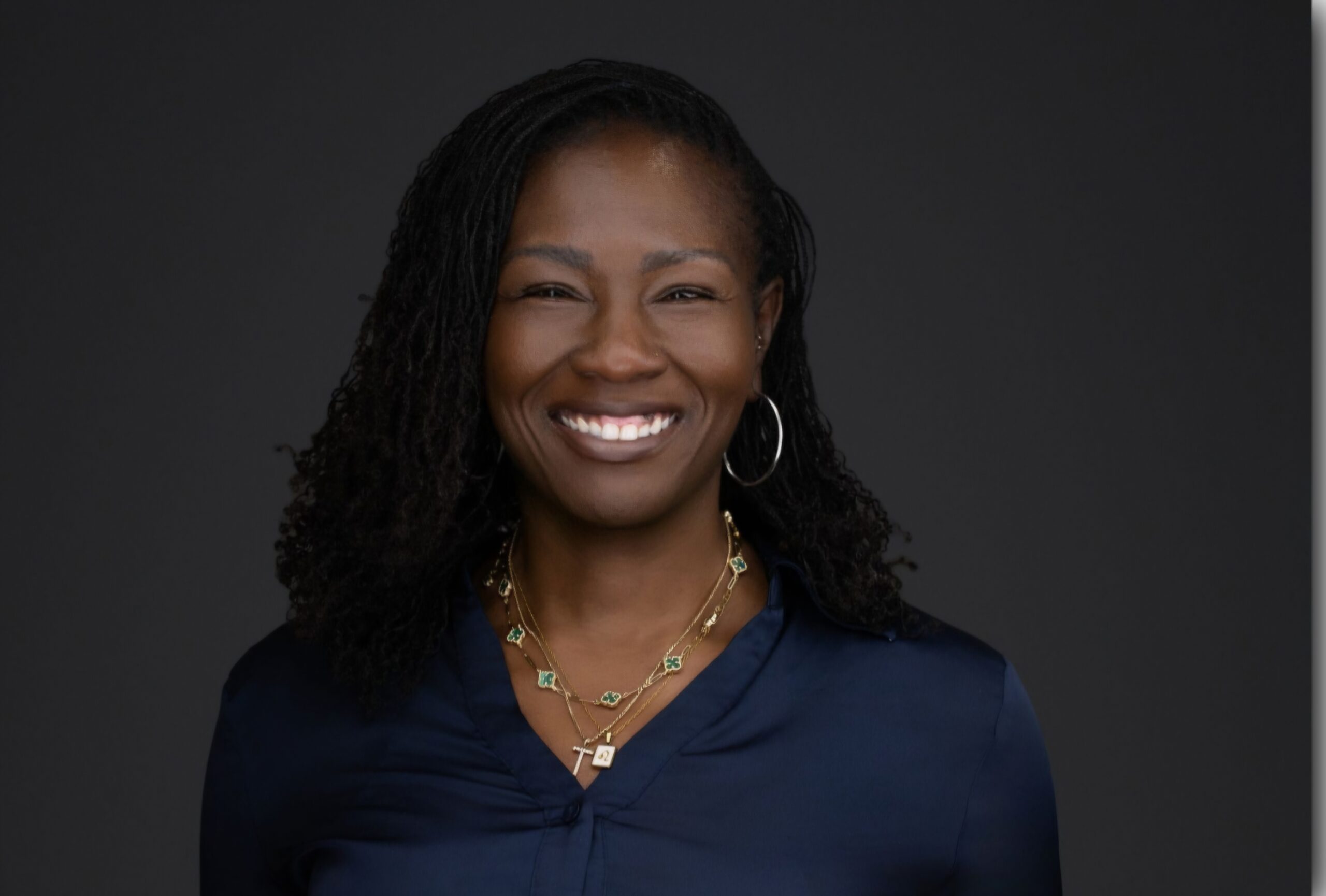
Dr. Tamisha Waters
Risk Manager II, City of Los Angeles, CA
In this episode, Dr. Tamisha Waters explains how organizations can transform light-duty assignments from basic accommodations into meaningful opportunities for recovery, reskilling, career development and employee retention. The episode explores practical strategies for matching medical restrictions with productive work, using cross-training to uncover new career paths, and keeping employees connected to the organization. It also shows how return-to-work programs can be measured by engagement, retention and talent development - not just workers’ compensation cost savings.
*The views and opinions expressed in the Public Risk Management Association (PRIMA) blogs/podcasts are those of each respective author/speaker. The views and opinions do not necessarily reflect the official policy or position of PRIMA.*
Dr. Tamisha Waters
Risk Manager II, City of Los Angeles, CA
Responsibilities
Dr. Waters provides insurance determinations for 12 council-controlled departments and negotiates contract language surrounding indemnification in the City contracts. She serves as the liaison to the Mayor’s office, assisting with the homelessness program and 3rd party claims investigation. Dr. Waters also oversees the City's insurance program for the volunteer workers and is the designated safety coordinator for the CAO department. She also ensures compliance with applicable laws, regulations, and industry standards through effective risk policies and controls.
Education
- Doctorate in Business Administration
- M.S. in Human Resources
- Bachelor's degree in Business Administration
You Might Also Be Interested In
The Cost of a Claim: Recognizing Risks Before They Escalate
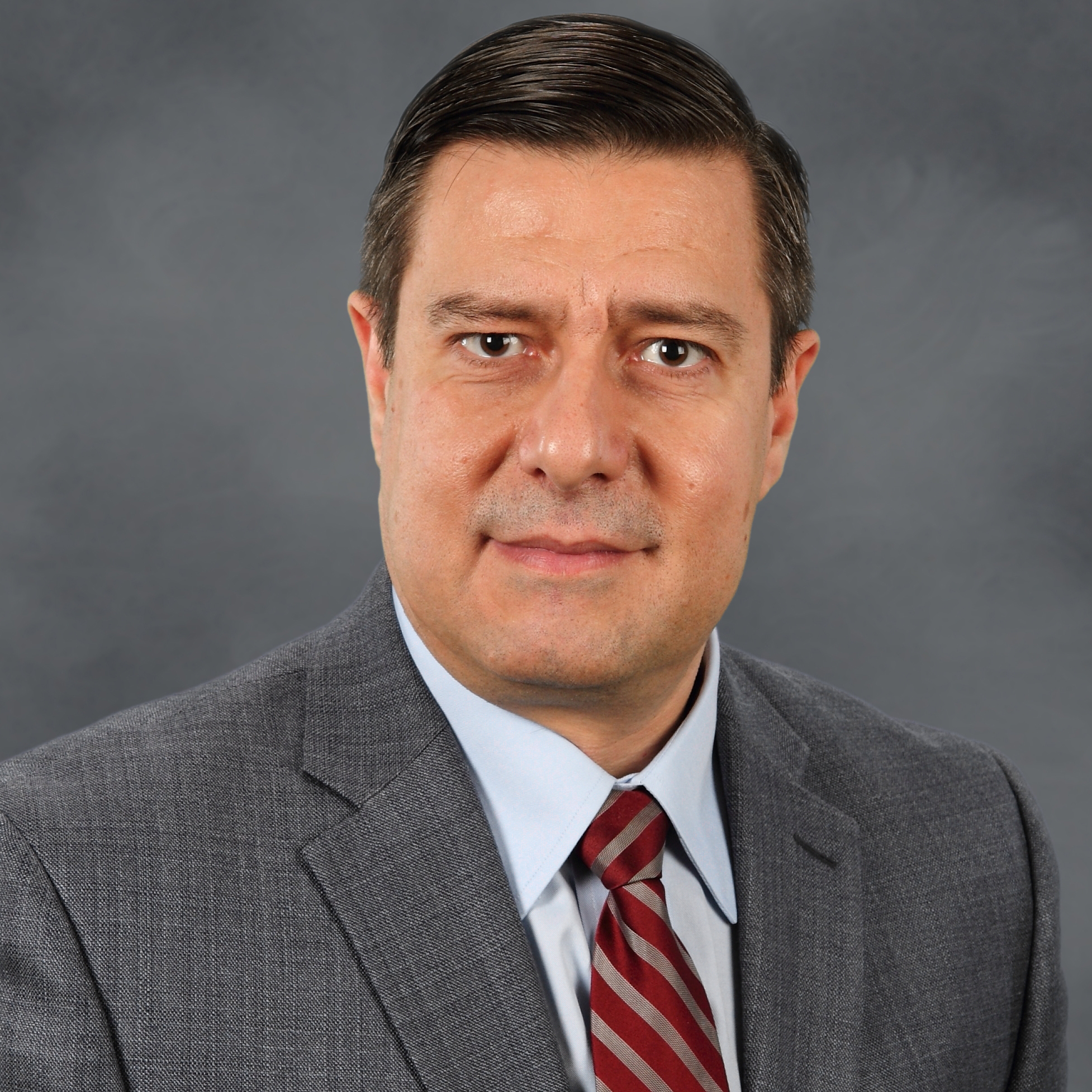
Fernando Branco, MD, FAAPM&R
AVP, Claims & Chief Medical Officer, Midwest Employers Casualty
In this episode, Dr. Fernando Branco explains how small workplace injuries can become costly claims when they aren't handled early and carefully. He shares the biggest warning signs, including late reporting, delayed medical care, poor coordination between providers, misdiagnosis, and the influence of psychosocial factors or pre-existing conditions. Dr. Branco also discusses why some claims escalate from simple injuries into long-term, expensive cases, especially when treatment is delayed or the wrong path is taken early on.
He also outlines practical ways to manage these claims more effectively, including early intervention, strong care coordination, nurse case management, bill negotiation and planning for settlement. He emphasizes that medical inflation, attendant care and unnecessary treatment can quickly drive up costs, making it essential to act quickly and understand the claimant’s full situation. Overall, the episode offers a clear reminder that the earlier a claim is addressed, the better the outcome for everyone involved.
*The views and opinions expressed in the Public Risk Management Association (PRIMA) blogs/podcasts are those of each respective author/speaker. The views and opinions do not necessarily reflect the official policy or position of PRIMA.*
Fernando Branco, MD, FAAPM&R
AVP, Claims & Chief Medical Officer, Midwest Employers Casualty
Responsibilities
Fernando has presented in several conferences, podcasts, webinars and blogs in the insurance industry, mainly with regards to worker's compensation. He supervises the medical team at Midewest Employers and provides medical supervision for the claims department.
Fernando also provides consultant services to several other Berkley companies as a physician.
Business Experience
Fernando has 30 years of clinical experience as an MD, board-certified in physical medicine and rehabilitation, pain medicine and addiction medicine.
Insurance work for the last 7 years Worker's Compensation.
Education
- MD Universidade Federal do Rio Grande do Sul UFRGS
- Residency PM&R - ABBR Rio de Janeiro Brazil
- Masters in PM&R - Rio de Janeiro Brazil
- Residency PM&R - University of Kentucky
- PhD Exercise Physiology - ABD - University of Minnesota
- Board certification in PM&R, Pain Medicine and Addiction Medicine.
You Might Also Be Interested In
From Collision to Recovery: Maximizing the Value of Public Fleet Claims
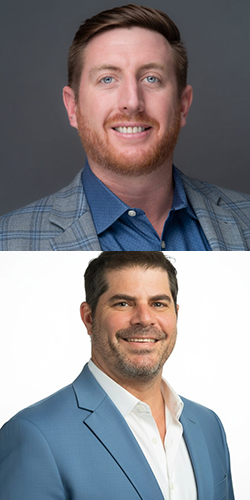
Creighton Blanchard
Vice President of Sales, Alternative Claims Management
Ryan Kravetz
Account Executive, Alternative Claims Management
In this episode, Ryan Kravitz and Creighton Blanchard join us to discuss how public entities can strengthen their fleet claims process and maximize recovery. Ryan and Creighton break down commonly overlooked areas of recovery, including loss of use, loss of revenue, diminished value, storage costs, equipment costs and other expenses associated with an accident.
They also explain why documentation - from police reports and photos to fleet usage logs and telematics - is critical when building a strong claim. The conversation also explores emerging claims trends, including the growing role of AI in damage estimates, increased scrutiny of repair procedures and the challenges public entities can face when pursuing loss-of-use claims.
*The views and opinions expressed in the Public Risk Management Association (PRIMA) blogs/podcasts are those of each respective author/speaker. The views and opinions do not necessarily reflect the official policy or position of PRIMA.*
Creighton Blanchard
Vice President of Sales, Alternative Claims Management
Creighton Blanchard is Vice President at Alternative Claims Management, where he partners with municipalities, public entities, and commercial fleet operators to maximize financial recovery from not-at-fault claims. Throughout his career, Creighton has focused on solving complex challenges, improving operational efficiency, and building trusted partnerships. He works closely with risk professionals across the country to help organizations recover overlooked claim dollars while preserving staff capacity and strengthening existing processes.
Ryan Kravetz
Account Executive, Alternative Claims Management
Ryan is Account Executive at Alternative Claims Management. He is a trusted partner to risk and claims directors across the public sector, managing the full subrogation process for government fleets nationwide, from initial claim audit through final recovery. He brings over 10 years of experience as a licensed Public Adjuster, giving him a specialist's grasp of the claims process most fleet operators never see.
You Might Also Be Interested In
PTSD Support for First Responders

John Hanson
Senior Vice President, Lockton
In this episode, we sit down with John Hanson to explore how the current workers' compensation system often struggles to address occupational mental health challenges and why a more proactive approach is needed. John explains the growing wave of PTSD presumption legislation across the country, discussing both the progress it represents and the unintended limitations it can create when legislation becomes the primary solution.
The conversation focuses on what effective support looks like before someone receives a PTSD diagnosis. John shares why confidential peer support programs, culturally attuned clinical care, and financial safety nets can work together as a comprehensive system that encourages first responders to seek help earlier and stay engaged in treatment. Drawing on successful programs already operating in states like Georgia and New York, he demonstrates how existing resources can be connected into a seamless continuum of care rather than functioning as isolated services.
While the discussion centers on first responders, the lessons extend far beyond public safety. John offers valuable insights into how healthcare, education, and other trauma-exposed professions can rethink mental health support by prioritizing early intervention, reducing barriers to care, and building systems that help people recover before trauma becomes life-altering.
*The views and opinions expressed in the Public Risk Management Association (PRIMA) blogs/podcasts are those of each respective author/speaker. The views and opinions do not necessarily reflect the official policy or position of PRIMA.*
John Hanson
Senior Vice President, Lockton
Biography
At Lockton, John oversees a risk management consulting practice across three primary industries - government, education, and healthcare. Last year, John’s team completed a groundbreaking PTSD program for Georgia's 70,000 first responders. The program encourages first responders to seek treatment for their PTSD by providing financial support to offset clinical resource costs. In the healthcare and education segments, John’s projects follow trauma-informed theory by improving mental health resources for employee and student populations while measuring the impact, effectiveness, and cost for those communities.
John's practice focuses on risk transfer strategies, notably in the public entity segment. He designed and implemented four state programs supporting firefighters diagnosed with cancer and the first of its kind PTSD support program for Georgia's first responder community.
Jay earned his BA from Dartmouth College and holds a JD from the University of Maine's School of Law.
You Might Also Be Interested In
When the Camera Is Rolling: Preparing Employees for Today’s Public Interactions

Marnie Schubert
CEO, Worthy Communication
In this episode, Marnie Schubert, speaks about how public agencies can prepare employees for filmed, emotionally charged public interactions. Marnie explains that filming in public spaces is now a routine reality for government agencies, not just law enforcement. She breaks down why preparation, calm communication, and clear policies matter when employees encounter First Amendment auditors, upset residents, or anyone recording an interaction. The conversation focuses on practical, people-first training strategies that help staff stay professional, protect the public’s rights, and avoid unnecessary escalation. Marnie emphasizes that organizations should train all staff, not only frontline or uniformed employees, because cameras can appear anywhere and affect anyone.
*The views and opinions expressed in the Public Risk Management Association (PRIMA) blogs/podcasts are those of each respective author/speaker. The views and opinions do not necessarily reflect the official policy or position of PRIMA.*
Marnie Schubert
CEO, Worthy Communication
Biography
Marnie Schubert is the CEO of Worthy Communication and has more than 30 years of experience in communications, crisis management, and leadership. A former local government executive, she partners with public agencies across the country to help reduce organizational risk by preparing employees for difficult public interactions, strengthening communication practices, and building public trust. Known for her practical, real-world approach, Marnie delivers training that equips organizations with strategies they can implement immediately.
She earned a BA in Radio/Television from the University of Central Florida and an MBA from Benedictine University.
You Might Also Be Interested In
Leading Through Innovation

Nancy Solari
CEO, Living Full Out, Inc.
v
In this episode, Nancy Solari discusses effective leadership strategies. Nancy shares insights on making quick, thoughtful decisions during crises, the importance of truly listening to team members and embracing innovation. She also offers practical advice on staying organized by recognizing personal peak performance times and setting boundaries. The episode provides valuable guidance for public risk professionals looking to strengthen their leadership and team management skills.
*The views and opinions expressed in the Public Risk Management Association (PRIMA) blogs/podcasts are those of each respective author/speaker. The views and opinions do not necessarily reflect the official policy or position of PRIMA.*
Nancy Solari
CEO, Living Full Out, Inc.
Biography
Nancy Solari is a motivational speaker, life coach, and CEO known for her inspiring approach to overcoming adversity. Despite being legally blind, Nancy has built a career helping others realize their goals and live life fully. She is the creator and host of The Living Full Out Radio Show and Nonprofit MVP, sharing her expertise with audiences nationwide.
Nancy began her career in broadcasting and the music industry, later transitioning to real estate where she became a top realtor in Los Angeles despite vision loss. In 2008, she launched Living Full Out, focusing on life coaching, motivational speaking, and media production. She has presented for organizations such as the National Ticketing Association, Boston Scientific, Public Risk Management Association, Braille Institute Library, and the National Retail Federation.
She has an BA in Broadcasting and Psychology from the University of Oregon and life coaching certification from the Institute for Professional Excellence in Coaching.
You Might Also Be Interested In
The Reflective Leader: Building Trust in Times of Transformation

Dr. Jennifer Charleston Mursaloglu, PhD, PMP
Founder & Principal, REL Strategies, LLC
In this episode, Dr. Jennifer Charleston Mursaloglu discusses reflective leadership during times of transformation. She explains how reflection helps leaders shift from reactive to responsive decision-making, avoiding ethical blind spots and burnout cycles and emphasizes that pausing creates clarity rather than slowing progress. The conversation explores human-centered leadership, psychological safety, and building organizational trust through transparency and accountability. Dr. Jennifer concludes that future leaders must prioritize wisdom over speed, combining emotional intelligence, discernment, and ethical grounding to navigate AI advancements, workforce shifts and constant change effectively.
*The views and opinions expressed in the Public Risk Management Association (PRIMA) blogs/podcasts are those of each respective author/speaker. The views and opinions do not necessarily reflect the official policy or position of PRIMA.*
Dr. Jennifer Charleston Mursaloglu
Founder & Principal, REL Strategies, LLC
Biography
Dr. Jennifer Charleston Mursaloglu is an evaluation and strategy consultant with over 15 years of experience supporting nonprofit, education, and public sector organizations. As Founder and Principal of REL Strategies, she leads evaluation and learning engagements that help organizations strengthen programs, inform decision-making, and communicate impact. Her work integrates mixed-methods evaluation, strategic learning, and leadership facilitation, with a focus on translating data into meaningful insights. She partners with organizational leaders to move beyond compliance-driven evaluation toward approaches that support reflection, continuous improvement, and long-term impact in complex environments.
She has an MA in Community Psychology from the University of New Haven and a PhD in Education from George Mason University.
You Might Also Be Interested In
Connected Risk: Exploring the New Realities of Public Sector Cyber Threats

Ben Duffy
Vice President, Head of North America, KYND
In this episode, Ben Duffy discusses the cyber risk challenges facing public sector organizations. Ben explains how cyber risk differs from traditional risks because of its dynamic nature and third-party dependencies. Using the Canvas cybersecurity incident as an example, he highlights the systemic impact of cyber events across interconnected organizations. Ben advises risk managers to prioritize visibility and focus on high-impact vulnerabilities rather than attempting to address everything at once, emphasizing continuous, sustainable cyber governance over point-in-time assessments.
*The views and opinions expressed in the Public Risk Management Association (PRIMA) blogs/podcasts are those of each respective author/speaker. The views and opinions do not necessarily reflect the official policy or position of PRIMA.*
Ben Duffy
Vice President, Head of North America, KYND
Biography
Benjamin Duffy has a diverse work experience spanning multiple industries. Benjamin has held various roles throughout their career, starting as an Account Manager at PwC from February 2007 to January 2010. Benjamin then joined Warner Music Group as a Director, Digital FS from January 2010 to September 2016. After that, they worked as the Head of Product at Silva Screen Records Ltd. from January 2016 to January 2019. In 2019, Duffy joined PROLIFICA as the Director of Sales and Business Development from January 2019 to December 2019. Following this, they became the Head Of Insurance at KYND from December 2019 to February 2023. Currently, they hold the position of Vice President and Head of North America Sales at KYND since January 2023.
He earned a Bachelor of Science degree from Bournemouth University.