Should We Get AI To Do That? Applying the NIST AI Framework to Potential AI Use

Kelvin Coleman, Managing Director, Route 2 Strategies

background image
January 21 | 12:00 p.m. – 1:00 p.m. ET

Artificial Intelligence has demonstrated significant value in enhancing individual efficiency and effectiveness. However, the question arises: should we seek to minimize our reliance on AI, or should we embrace its use to the fullest extent possible? We will analyze the question through the lens of the NIST AI Risk Management Framework (AI RMF), a comprehensive guideline that assists organizations in identifying, assessing, managing, and monitoring the risks posed by artificial intelligence.

Attendee Takeaways:

  1. Gain a greater understanding of the NIST AI RMF
  2. Gain a greater understanding of polymorphic emerging technology
  3. Be able to compare use cases in the NIST AI RMF

Presenter
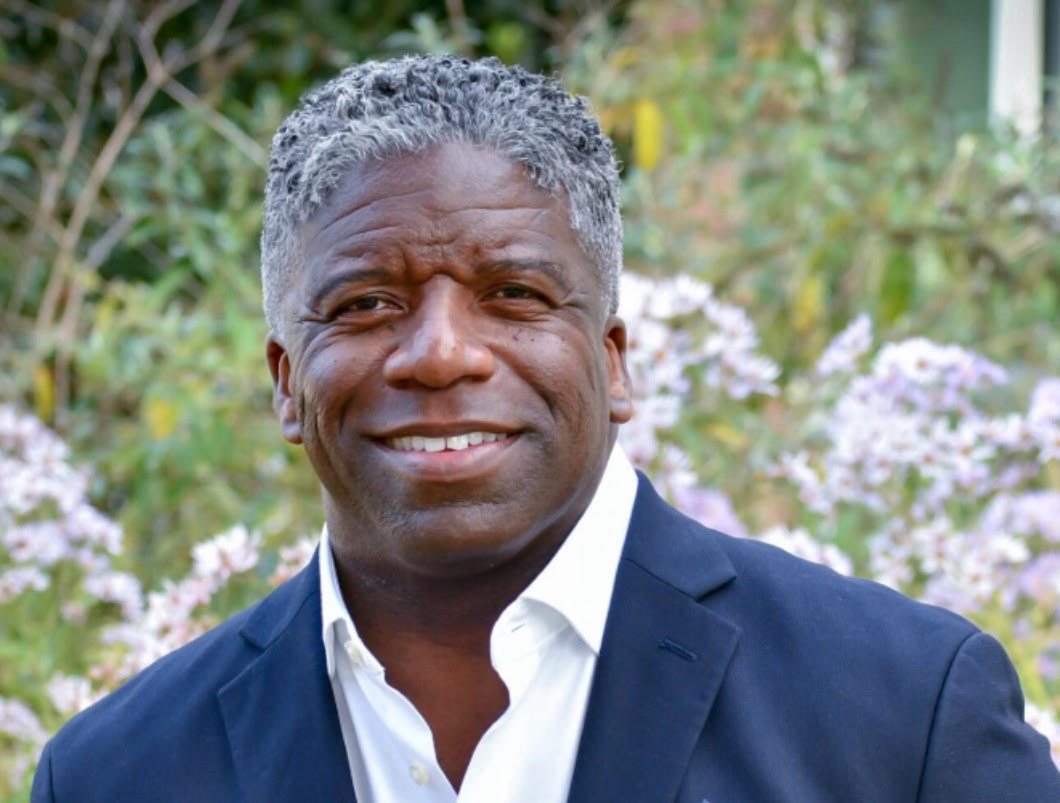
Kelvin Coleman, Managing Director, Route 2 Strategies
Kelvin is the founder and managing director of Route 2 Strategies, LLC. He is also the chief global diplomacy officer for Cyber Eagle. In these roles, he supports entities in Canada and the U.S. with a focus on emerging technology, including cybersecurity and artificial intelligence. Prior to this role, he was an executive partner at IBM. Kelvin has served in several roles in the public, private and non-profit sectors, including as chief executive officer and executive director of the National Cybersecurity Alliance.

Sign Up for Our Education Newsletter

You Might Also Be Interested In

Should a Captive Be in Your Future?

Captive insurance companies are becoming more common among Universities and Special Districts and have potential for cities and counties. Captives are not just a different form of self-insurance, but the creation and operating of your own insurance company – an insurance company with the flexibility to meet your specific coverage needs.

Read More
Driving a Risk Management Program for Your Public Fleet Operations

In providing uninterrupted services 24/7, a public entity’s fleet contains a variety of motor vehicles, many of which create unique liability exposures requiring special controls and driver training.

Read More
The Secrets Behind Successful OCIPs

What are the secrets behind successful Owner Controlled Insurance Programs (OCIPs)? In this hot construction market, OCIPs offer public entities, schools, and colleges a better method of controlling construction costs and improving project outcomes.

Read More
#YouToo: Lifecycle of a Sexual Misconduct Claim

The #MeToo movement has resulted in increasing sexual misconduct claims against perpetrators and the public entities (#YouToo) for whom they work or volunteer.

Read More
Creating a Culture of Emergency Preparedness

The question for most schools is not if a disaster will happen to them, but when. Being prepared for a disaster, be it an act of violence, natural disaster, or something else, before it strikes can help mitigate both losses and trauma.

Read More
Wake Up and Win!

A dynamic and engaging presentation designed to teach you how to pursue your work whole-heartedly and challenge you to stretch both as a leader and team-member.

Read More
Care and Program Considerations for Underrepresented Populations

Today’s workforce is more dynamic than ever before. In the public risk arena population segments such as first responders require a unique understanding and approach.

Read More
Leveraging Telehealth to Redefine Intake and Proactively Manage Care

Attendees will learn how intake can be bifurcated to address both care management in tandem with claims management. See how to create a virtual occupational medicine clinic and its impact on your patient population.

Read More
Virtual COVID-19 Reopening Task Force Roundtable

Presenters describe pre-existing policies/procedures that are instrumental in an entity’s ability to manage the current health crisis.

Read More

How to Manage Psychosocial Risk Factors

Ira David Daniels, Ph.D., CSD, VPS, Founder/CEO, ID2 Solutions, LLC

background image
February 18 | 12:00 p.m. – 1:00 p.m. ET

This presentation will introduce the idea that psychosocial hazards and their associated risks are not only present in every workplace but are often precursors to physical hazards and risks. The presentation will describe strategies for identifying, assessing, and mitigating psychosocial hazards and risks, and the resulting harm to individuals' mental health and the organizational culture.

Attendee Takeaways:

  1. Attendees will be exposed to a research-based definition of a psychosocial hazard and a standards-based definition of psychosocial risk
  2. Attendees will be exposed to the primary sources of psychosocial hazard exposure and the associated risk
  3. Attendees will be exposed to descriptions of the types of harm associated with psychosocial hazards and risk
  4. Attendees will be exposed to strategies that can aid in managing psychosocial hazards and risks


Presenter

Ira David Daniels, Ph.D., CSD, VPS, Founder/CEO, ID2 Solutions, LLC
Dr. Daniels is a former public safety executive, occupational health and safety professional and founder and CEO of ID2 Solutions, LLC. He is the author of Psychosocial Hazards Are Real, which is one of the first books to examine psychological health and safety from an occupational health and safety perspective.

Dr. Daniels holds a Ph.D. in occupational health and safety and is certified as a safety director. He received a certificate in diversity, equity and inclusion from Cornell University, attended the Senior Executive in State and Local Government program at Harvard University, and completed the Professional Practice in Psychological Health and Safety program through the FlourishDx Academy in Australia.

Dr. Daniels is a member of the board of directors of the Society for Total Work Health. He is the founding chair of the National Association of Black Compliance and Risk Management Professionals, Safety and Security Workgroup.

Sign Up for Our Education Newsletter

You Might Also Be Interested In

Should a Captive Be in Your Future?

Captive insurance companies are becoming more common among Universities and Special Districts and have potential for cities and counties. Captives are not just a different form of self-insurance, but the creation and operating of your own insurance company – an insurance company with the flexibility to meet your specific coverage needs.

Read More
Driving a Risk Management Program for Your Public Fleet Operations

In providing uninterrupted services 24/7, a public entity’s fleet contains a variety of motor vehicles, many of which create unique liability exposures requiring special controls and driver training.

Read More
The Secrets Behind Successful OCIPs

What are the secrets behind successful Owner Controlled Insurance Programs (OCIPs)? In this hot construction market, OCIPs offer public entities, schools, and colleges a better method of controlling construction costs and improving project outcomes.

Read More
#YouToo: Lifecycle of a Sexual Misconduct Claim

The #MeToo movement has resulted in increasing sexual misconduct claims against perpetrators and the public entities (#YouToo) for whom they work or volunteer.

Read More
Creating a Culture of Emergency Preparedness

The question for most schools is not if a disaster will happen to them, but when. Being prepared for a disaster, be it an act of violence, natural disaster, or something else, before it strikes can help mitigate both losses and trauma.

Read More
Wake Up and Win!

A dynamic and engaging presentation designed to teach you how to pursue your work whole-heartedly and challenge you to stretch both as a leader and team-member.

Read More
Care and Program Considerations for Underrepresented Populations

Today’s workforce is more dynamic than ever before. In the public risk arena population segments such as first responders require a unique understanding and approach.

Read More
Leveraging Telehealth to Redefine Intake and Proactively Manage Care

Attendees will learn how intake can be bifurcated to address both care management in tandem with claims management. See how to create a virtual occupational medicine clinic and its impact on your patient population.

Read More
Virtual COVID-19 Reopening Task Force Roundtable

Presenters describe pre-existing policies/procedures that are instrumental in an entity’s ability to manage the current health crisis.

Read More

Public Risk Managers of the Year Panel

Sean Catanese, EMPA, ARM, Enterprise Risk Manager, King County, WA
Megan Damato, Esq., Director of Risk Management, Town of Greenwich and Greenwich Public Schools
Sherri Adams, ARM, WCCA, Chief Risk Manager, City of Kansas City, MO
Allie Matthews, Risk Management Administrator, City of Tucson, AZ (Ret.)
Jeffrey L. Green, ARM-P, Risk Manager, Larimer County, CO

background image
March 18 | 12:00 p.m. – 1:00 p.m. ET

Join a panel of PRIMA’s Public Risk Managers of the Year as they share how they’ve approached uncertainty, built trust across departments, and supported smarter decisions in their organizations and the communities they serve. These leaders bring hands-on experience from local government, education, and other public service work. The session offers practical insights for anyone working in public risk management.

Attendee Takeaways:

  1. Tools and strategies for building a strong risk program
  2. Tips for engaging stakeholders and gaining support
  3. Lessons learned from real-world challenges and successes
  4. Most importantly: Your questions answered


Presenters

Sean Catanese, EMPA, ARM, Enterprise Risk Manager, King County, WA
Sean is the enterprise risk manager for King County, WA. Since 2014, he’s helped build the county’s Enterprise Risk Management program, supporting better decisions across departments like public health, transit and law enforcement. His work focuses on helping government agencies prepare for uncertainty and stay aligned with their goals. Sean was named PRIMA’s 2023 Public Risk Manager of the Year and contributes to training and education efforts through PRIMA and its Washington Chapter.

Megan Damato, Esq., Director of Risk Management, Town of Greenwich and Greenwich Public Schools
Megan was the recipient of PRIMA’s Public Risk Manager of the Year award in 2021. She began her career as an attorney before entering risk management. She earned her JD from Quinnipiac University School of Law in 2005. That background has been a valuable foundation in designing coverages and managing claims. Megan founded the Cyber Security Task Force and the Town’s Defensive Driving Program. She is past president and secretary of the CT Chapter of PRIMA and founding president of the newly established PRIMA New England, past chair and member of the National PRIMA’s Education Committee, and has served as both Chair and member of PRIMA’s Chapter Relations and Membership Enhancement Committee.

Sherri Adams, ARM, WCCA, Chief Risk Manager, City of Kansas City, MO
Sherri was recognized as PRIMA's Risk Manager of the Year for 2024. Since 2021, Sherri has been the risk manager for the City of Kansas City, MO and manages safety, workers’ compensation, FMLA, ADA accommodations, insurance programs, reviewing insurance requirements in contracts and other duties as assigned.  Prior to her arrival in Kansas City, Sherri worked for 17 years in California for both small and large counties, a third-party administrator and a transit district. She served on the Public Risk Innovation, Solutions and Management (PRISM) Board of Directors for over 13 years, with two years as a member of the executive committee.  She also served on various committees including Risk Control, Member Services, Medical Malpractice and Claims Review. Sherri is a graduate of San Jose State University with a Bachelor of Science in business administration in marketing. She has an Associate in Risk Management (ARM) as well as the Workers’ Compensation Certificate of Administration (WCCA) designations.

Allie Matthews, Risk Management Administrator, City of Tucson, AZ (Ret.)
Allie was named the 2022 Public Risk Manager of the Year. She began her career in public education serving 37.5 years in various capacities that included curriculum, finance, risk, and human resources departments until retirement in 2013. Allie began her second career as the risk fund administrator for the City of Tucson, managing a combined workers’ compensation and public liability trust fund with varied risk programs. During her leadership, risk programs were enhanced, and the city managed to turn the fund’s $24M negative net position into a positive net position within six years. Allie retired from the City of Tucson June 2023 and continues to serve her community as the past president of St. Luke’s community elder care home and is a trustee of the City of Tucson’s Self-Insured Risk Trust Board. Active in PRIMA, she has served on the PRIMA Institute planning committee and regularly attends local chapter meetings.

Jeffrey L. Green, ARM-P, Risk Manager, Larimer County, CO
Jeff was recognized as PRIMA’s Public Risk Manager of the Year for 2025. He has over 30 years of experience in risk management in both the public and private sector, underwriting and brokerage operations. He has been the risk manager for Larimer County, CO since 2008 and oversees planning, design, organization and administration of the County’s self-insured workers’ compensation program, property & casualty insurance program, and Title II ADA compliance for the County. He is also responsible for claims management, safety, DOT drug & alcohol compliance, and is involved in the contracts process as well. Jeff is actively involved in PRIMA serving on the Leadership Development Committee and has been the president of the Colorado PRIMA Chapter since 2022.

Sign Up for Our Education Newsletter

You Might Also Be Interested In

Should a Captive Be in Your Future?

Captive insurance companies are becoming more common among Universities and Special Districts and have potential for cities and counties. Captives are not just a different form of self-insurance, but the creation and operating of your own insurance company – an insurance company with the flexibility to meet your specific coverage needs.

Read More
Driving a Risk Management Program for Your Public Fleet Operations

In providing uninterrupted services 24/7, a public entity’s fleet contains a variety of motor vehicles, many of which create unique liability exposures requiring special controls and driver training.

Read More
The Secrets Behind Successful OCIPs

What are the secrets behind successful Owner Controlled Insurance Programs (OCIPs)? In this hot construction market, OCIPs offer public entities, schools, and colleges a better method of controlling construction costs and improving project outcomes.

Read More
#YouToo: Lifecycle of a Sexual Misconduct Claim

The #MeToo movement has resulted in increasing sexual misconduct claims against perpetrators and the public entities (#YouToo) for whom they work or volunteer.

Read More
Creating a Culture of Emergency Preparedness

The question for most schools is not if a disaster will happen to them, but when. Being prepared for a disaster, be it an act of violence, natural disaster, or something else, before it strikes can help mitigate both losses and trauma.

Read More
Wake Up and Win!

A dynamic and engaging presentation designed to teach you how to pursue your work whole-heartedly and challenge you to stretch both as a leader and team-member.

Read More
Care and Program Considerations for Underrepresented Populations

Today’s workforce is more dynamic than ever before. In the public risk arena population segments such as first responders require a unique understanding and approach.

Read More
Leveraging Telehealth to Redefine Intake and Proactively Manage Care

Attendees will learn how intake can be bifurcated to address both care management in tandem with claims management. See how to create a virtual occupational medicine clinic and its impact on your patient population.

Read More
Virtual COVID-19 Reopening Task Force Roundtable

Presenters describe pre-existing policies/procedures that are instrumental in an entity’s ability to manage the current health crisis.

Read More

Video Telematics for Vehicle Loss Reduction & Employee Safety

Dan Foster, SVP of Casualty Loss Control, Munich Re Specialty

background image
April 15 | 12:00 p.m. – 1:00 p.m. ET

Learn how video telematics can dramatically reduce vehicle-related losses while improving driver and employee safety. This webinar will explore how combining video, GPS, and real-time data helps organizations understand the root causes of incidents, coach drivers more effectively, and protect both people and assets. We’ll walk through practical use cases, implementation tips, and how to turn insights into measurable results.

Attendee Takeaways:

  1. How video telematics reduces risk and loss
  2. Ways to improve driver and employee safety
  3. Key steps to successful implementation

Presenter

Dan Foster, SVP of Casualty Loss Control, Munich Re Specialty
Dan serves as the SVP of casualty loss control for Munich Re Specialty. He oversees casualty loss control services for programs and insurable interests. He serves as an internal resource for underwriting, program administration, product development and marketing. Dan has 25 years of experience in public sector insurance and pooling for entities such as cities, counties, schools, and utilities. Dan also has experience in program administration, workers’ compensation self-insured fund management, and claims administration. Dan has a Bachelor of Science degree in business from the University of Southern Indiana. He holds CPCU, CSP, ARM and RMPE designations.

Sign Up for Our Education Newsletter

You Might Also Be Interested In

Should a Captive Be in Your Future?

Captive insurance companies are becoming more common among Universities and Special Districts and have potential for cities and counties. Captives are not just a different form of self-insurance, but the creation and operating of your own insurance company – an insurance company with the flexibility to meet your specific coverage needs.

Read More
Driving a Risk Management Program for Your Public Fleet Operations

In providing uninterrupted services 24/7, a public entity’s fleet contains a variety of motor vehicles, many of which create unique liability exposures requiring special controls and driver training.

Read More
The Secrets Behind Successful OCIPs

What are the secrets behind successful Owner Controlled Insurance Programs (OCIPs)? In this hot construction market, OCIPs offer public entities, schools, and colleges a better method of controlling construction costs and improving project outcomes.

Read More
#YouToo: Lifecycle of a Sexual Misconduct Claim

The #MeToo movement has resulted in increasing sexual misconduct claims against perpetrators and the public entities (#YouToo) for whom they work or volunteer.

Read More
Creating a Culture of Emergency Preparedness

The question for most schools is not if a disaster will happen to them, but when. Being prepared for a disaster, be it an act of violence, natural disaster, or something else, before it strikes can help mitigate both losses and trauma.

Read More
Wake Up and Win!

A dynamic and engaging presentation designed to teach you how to pursue your work whole-heartedly and challenge you to stretch both as a leader and team-member.

Read More
Care and Program Considerations for Underrepresented Populations

Today’s workforce is more dynamic than ever before. In the public risk arena population segments such as first responders require a unique understanding and approach.

Read More
Leveraging Telehealth to Redefine Intake and Proactively Manage Care

Attendees will learn how intake can be bifurcated to address both care management in tandem with claims management. See how to create a virtual occupational medicine clinic and its impact on your patient population.

Read More
Virtual COVID-19 Reopening Task Force Roundtable

Presenters describe pre-existing policies/procedures that are instrumental in an entity’s ability to manage the current health crisis.

Read More

The High Cost of Delayed Workers’ Compensation Claims

Mark Pew, Provost/Founding Partner, WorkCompCollege.com

background image
May 20 | 12:00 p.m. – 1:00 p.m. ET

Delayed reporting and slow initial action can turn a manageable injury into a costly, contentious workers’ compensation claim. This session will discuss common reasons for delay and the repercussions of those actions/inactions, such as increased medical costs, indemnity exposure, and litigation risk, which complicate and prolong the return-to-work process.

Attendee Takeaways:

  1. Understand the common causes of delay in claims processing and medical treatment
  2. Itemize the costs associated with delayed recovery and return-to-work
  3. Describe watershed moments that can reveal themselves when earlier intervention is required
  4. Identify communication tools and potential workflow adjustments to de-escalate tensions


Presenter
Mark Pew, Provost/Founding Partner, WorkCompCollege.com
Mark is an award-winning international speaker, author and jurisdictional advisor in workers' compensation. He has focused on the intersection of chronic pain and appropriate treatment since 2003. Mark created "Qualified Medical Intervention" that won a 2012 Business Insurance Innovation Award, received WorkCompCentral's Magna Comp Laude award in 2016, IAIABC's Samuel Gompers Award in 2017, named "Top 100 Healthcare Leader" by IFAH in 2021 and received the Health 2.0 Outstanding Leadership award in 2022. He is co-founder of The Transitions and Advancing Advocacy, and has served on the advisory boards of Simple Therapy, Harvard MedTech and Goldfinch Health. Mark was inducted into Who’s Who in America in 2024.

Sign Up for Our Education Newsletter

You Might Also Be Interested In

Should a Captive Be in Your Future?

Captive insurance companies are becoming more common among Universities and Special Districts and have potential for cities and counties. Captives are not just a different form of self-insurance, but the creation and operating of your own insurance company – an insurance company with the flexibility to meet your specific coverage needs.

Read More
Driving a Risk Management Program for Your Public Fleet Operations

In providing uninterrupted services 24/7, a public entity’s fleet contains a variety of motor vehicles, many of which create unique liability exposures requiring special controls and driver training.

Read More
The Secrets Behind Successful OCIPs

What are the secrets behind successful Owner Controlled Insurance Programs (OCIPs)? In this hot construction market, OCIPs offer public entities, schools, and colleges a better method of controlling construction costs and improving project outcomes.

Read More
#YouToo: Lifecycle of a Sexual Misconduct Claim

The #MeToo movement has resulted in increasing sexual misconduct claims against perpetrators and the public entities (#YouToo) for whom they work or volunteer.

Read More
Creating a Culture of Emergency Preparedness

The question for most schools is not if a disaster will happen to them, but when. Being prepared for a disaster, be it an act of violence, natural disaster, or something else, before it strikes can help mitigate both losses and trauma.

Read More
Wake Up and Win!

A dynamic and engaging presentation designed to teach you how to pursue your work whole-heartedly and challenge you to stretch both as a leader and team-member.

Read More
Care and Program Considerations for Underrepresented Populations

Today’s workforce is more dynamic than ever before. In the public risk arena population segments such as first responders require a unique understanding and approach.

Read More
Leveraging Telehealth to Redefine Intake and Proactively Manage Care

Attendees will learn how intake can be bifurcated to address both care management in tandem with claims management. See how to create a virtual occupational medicine clinic and its impact on your patient population.

Read More
Virtual COVID-19 Reopening Task Force Roundtable

Presenters describe pre-existing policies/procedures that are instrumental in an entity’s ability to manage the current health crisis.

Read More

Smarter Fleets, Safer Streets: Leveraging Telematics, Cameras and AI for Safety, Accountability and Cost Control

Kay Al Mannai, Chief Executive Officer and Chief Financial Officer, Hartford Parking Authority

background image
June 17 | 12:00 p.m. – 1:00 p.m. ET

This webinar highlights how the Hartford Parking Authority (HPA) uses telematics, camera technology, and AI-driven analytics to create smarter fleets and safer streets. Participants will see how real-time data improves driver accountability, supports proactive maintenance, and strengthens liability protection. Case studies will show how detailed video and GPS evidence have resolved insurance disputes, reduced claims, assisted law enforcement in solving crimes, and identified staff who may benefit from additional training. The session will also explore strategies for gaining union support, leveraging city purchasing power to reduce implementation costs, and embedding telematics into budgeting, fleet planning, and risk management processes to enhance safety and operational efficiency while keeping streets safe.

Attendee Takeaways:

  1. How telematics, cameras, and AI create smarter fleets by reducing liability, improving efficiency, and controlling costs
  2. How real-time fleet data helps achieve safer streets by supporting law enforcement, verifying driver actions, identifying staff training needs, and providing clear documentation that unions can agree upon
  3. How organizations can gain union support for implementing telematics and leverage city consortium purchasing power to secure reduced pricing – while embedding these technologies into budgeting, fleet planning, and risk management strategies


Presenter

Kay Al Mannai, Chief Executive Officer and Chief Financial Officer, Hartford Parking Authority
Kay is the CEO and CFO of the Hartford Parking Authority, where she oversees financial operations including accounting, budgeting, forecasting, procurement, cash management, employee benefits and risk management. She uses financial analysis and operational data to guide fleet strategy, select vendors, and make data-driven decisions on vehicle replacement to minimize risk and control costs. Kay also supports major capital and technology projects—such as telematics, camera systems and EV charging infrastructure—that enhance safety, efficiency, and long-term sustainability for the City of Hartford. With a background in private equity, investment banking, management consulting, and M&A, she brings an analytical and collaborative approach to municipal finance and public-risk considerations. Her focus is on safeguarding public assets, improving operational reliability and aligning financial practices with community needs.

Sign Up for Our Education Newsletter

You Might Also Be Interested In

Should a Captive Be in Your Future?

Captive insurance companies are becoming more common among Universities and Special Districts and have potential for cities and counties. Captives are not just a different form of self-insurance, but the creation and operating of your own insurance company – an insurance company with the flexibility to meet your specific coverage needs.

Read More
Driving a Risk Management Program for Your Public Fleet Operations

In providing uninterrupted services 24/7, a public entity’s fleet contains a variety of motor vehicles, many of which create unique liability exposures requiring special controls and driver training.

Read More
The Secrets Behind Successful OCIPs

What are the secrets behind successful Owner Controlled Insurance Programs (OCIPs)? In this hot construction market, OCIPs offer public entities, schools, and colleges a better method of controlling construction costs and improving project outcomes.

Read More
#YouToo: Lifecycle of a Sexual Misconduct Claim

The #MeToo movement has resulted in increasing sexual misconduct claims against perpetrators and the public entities (#YouToo) for whom they work or volunteer.

Read More
Creating a Culture of Emergency Preparedness

The question for most schools is not if a disaster will happen to them, but when. Being prepared for a disaster, be it an act of violence, natural disaster, or something else, before it strikes can help mitigate both losses and trauma.

Read More
Wake Up and Win!

A dynamic and engaging presentation designed to teach you how to pursue your work whole-heartedly and challenge you to stretch both as a leader and team-member.

Read More
Care and Program Considerations for Underrepresented Populations

Today’s workforce is more dynamic than ever before. In the public risk arena population segments such as first responders require a unique understanding and approach.

Read More
Leveraging Telehealth to Redefine Intake and Proactively Manage Care

Attendees will learn how intake can be bifurcated to address both care management in tandem with claims management. See how to create a virtual occupational medicine clinic and its impact on your patient population.

Read More
Virtual COVID-19 Reopening Task Force Roundtable

Presenters describe pre-existing policies/procedures that are instrumental in an entity’s ability to manage the current health crisis.

Read More

Detoxifying Safety Culture: Antidotes to Common OSHA Pitfalls

Matt Phillips, MS, MBA, Safety and Risk Manager, Hanover County and Hanover County Public Schools (VA)

Thank you to Vector Solutions for sponsoring this webinar.

background image
July 15 | 12:00 p.m. – 1:00 p.m. ET

Safety culture isn’t built on compliance alone. Join Matt Phillips as he explores eight common “poisons” that sabotage workplace safety—and the practical “antidotes” to overcome them. Walk away with real-world strategies to promote shared accountability, proactive learning, and lasting cultural change.

Attendee Takeaways:

  1. Safety culture goes beyond compliance—continuous improvement is essential
  2. Outdated practices and attitudes can be challenged and replaced with innovative, safer methods
  3. Everyone shares responsibility for safety; it cannot rest solely on the safety manager
  4. Proactive learning and prevention mindsets reduce incidents and build long-term resilience


Presenter
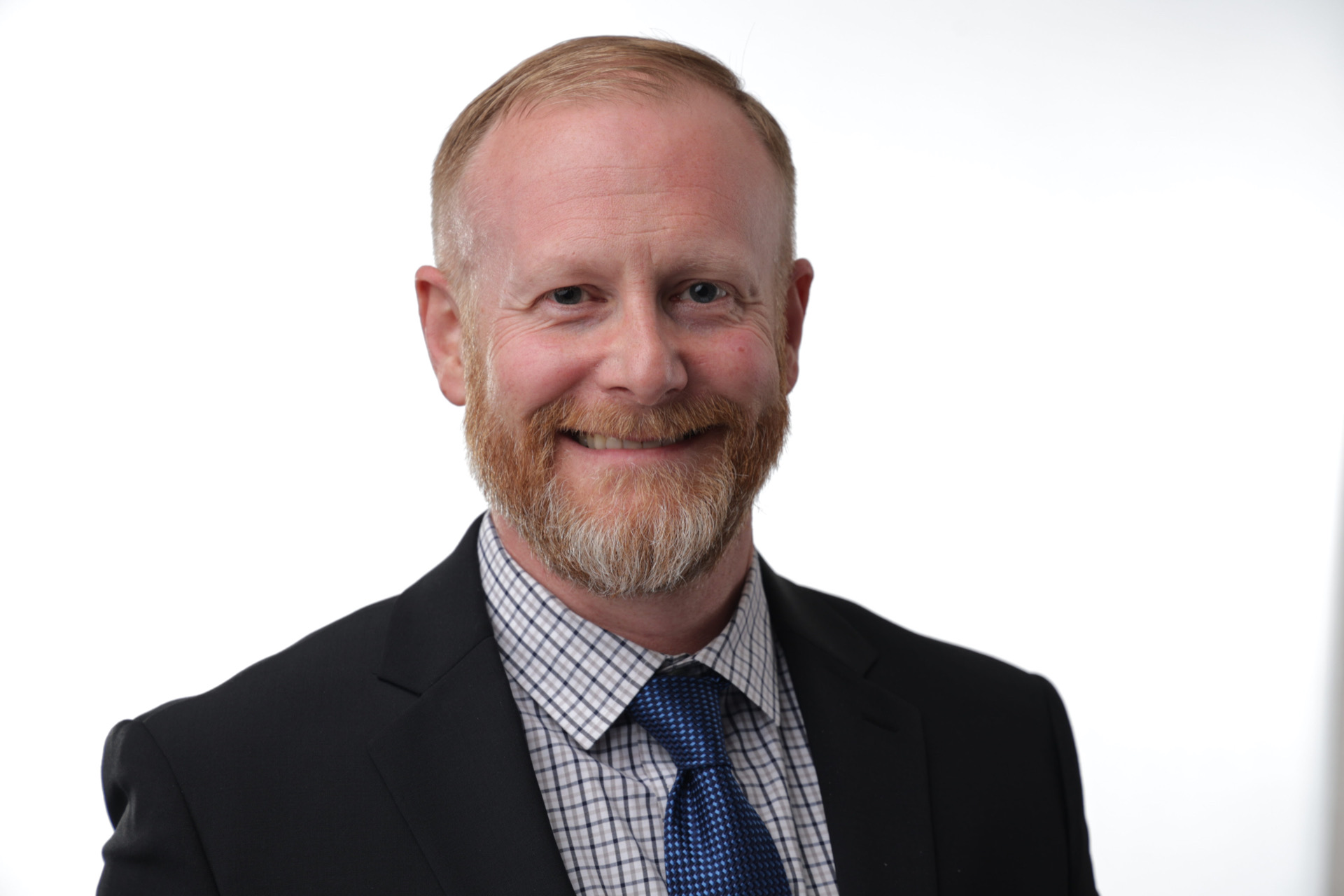
Matt Phillips, MS, MBA, Safety and Risk Manager, Hanover County and Hanover County Public Schools (VA)
Matt is the safety & risk manager for Hanover County Government and Hanover County Public Schools, where he leads safety programs, risk management initiatives and claims administration. With more than 20 years of experience in industrial hygiene, construction and general industry safety, emergency services, and risk management, he has a proven track record of building effective safety teams and training programs. Matt holds an MBA from Virginia Commonwealth University, an M.S. in safety management from West Virginia University, and a B.S. in chemistry from Shepherd University. He is a Six Sigma Advanced Blue Belt and a certified EMT in Virginia. An active leader in professional associations, he has served as president of the ASSP Colonial Virginia Chapter and as a member of the VA PRIMA Executive Board.

Sign Up for Our Education Newsletter

You Might Also Be Interested In

Should a Captive Be in Your Future?

Captive insurance companies are becoming more common among Universities and Special Districts and have potential for cities and counties. Captives are not just a different form of self-insurance, but the creation and operating of your own insurance company – an insurance company with the flexibility to meet your specific coverage needs.

Read More
Driving a Risk Management Program for Your Public Fleet Operations

In providing uninterrupted services 24/7, a public entity’s fleet contains a variety of motor vehicles, many of which create unique liability exposures requiring special controls and driver training.

Read More
The Secrets Behind Successful OCIPs

What are the secrets behind successful Owner Controlled Insurance Programs (OCIPs)? In this hot construction market, OCIPs offer public entities, schools, and colleges a better method of controlling construction costs and improving project outcomes.

Read More
#YouToo: Lifecycle of a Sexual Misconduct Claim

The #MeToo movement has resulted in increasing sexual misconduct claims against perpetrators and the public entities (#YouToo) for whom they work or volunteer.

Read More
Creating a Culture of Emergency Preparedness

The question for most schools is not if a disaster will happen to them, but when. Being prepared for a disaster, be it an act of violence, natural disaster, or something else, before it strikes can help mitigate both losses and trauma.

Read More
Wake Up and Win!

A dynamic and engaging presentation designed to teach you how to pursue your work whole-heartedly and challenge you to stretch both as a leader and team-member.

Read More
Care and Program Considerations for Underrepresented Populations

Today’s workforce is more dynamic than ever before. In the public risk arena population segments such as first responders require a unique understanding and approach.

Read More
Leveraging Telehealth to Redefine Intake and Proactively Manage Care

Attendees will learn how intake can be bifurcated to address both care management in tandem with claims management. See how to create a virtual occupational medicine clinic and its impact on your patient population.

Read More
Virtual COVID-19 Reopening Task Force Roundtable

Presenters describe pre-existing policies/procedures that are instrumental in an entity’s ability to manage the current health crisis.

Read More

It’s All About the (Tax) Base, No Trouble: Risk Management on Any Budget

Megan Damato, Esq., Director of Risk Management, Town of Greenwich and Greenwich Public Schools
Sara Lowenthal, formerly with the City of Hartford, CT

background image
August 19 | 12:00 p.m. – 1:00 p.m. ET

Whether you're a small, medium, or large public entity, managing risk is essential—but it doesn’t have to break the bank. This presentation explores effective, scalable risk management strategies tailored to fit organizations of any size and budget. Learn how to identify key risks, prioritize them based on impact, and implement low-cost or no-cost mitigation measures that align with your goals.

Attendee Takeaways:

  1. Budget-friendly solutions for risk monitoring and control
  2. Real-world examples of cost-effective risk responses
  3. Learning how to identify and prioritize key risks to a public entity
  4. Prioritization techniques to focus on high-impact risks


Presenters

Megan Damato, Esq., Director of Risk Management, Town of Greenwich and Greenwich Public Schools
Megan was the recipient of PRIMA’s Public Risk Manager of the Year award in 2021. She began her career as an attorney before entering risk management. She earned her JD from Quinnipiac University School of Law in 2005. That background has been a valuable foundation in designing coverages and managing claims. Megan founded the Cyber Security Task Force and the Town’s Defensive Driving Program. She is past president and secretary of the CT Chapter of PRIMA and founding president of the newly established PRIMA New England, past chair and member of the National PRIMA’s Education Committee, and has served as both Chair and member of PRIMA’s Chapter Relations and Membership Enhancement Committee.

Sara Lowenthal, formerly with the City of Hartford, CT
Sara previously served as the director of safety & risk management for the City of Hartford for six years. During her tenure, she actively participated in the Uniformed Professional Fire Fighters Association of Connecticut’s (UPFFA of CT) Fire Ops program, where she had the opportunity to experience what firefighters deal with on a daily basis.  This experience led her to become an advocate for firefighters and fire safety. Previously, she accumulated 20 years of experience working for insurance carriers Chubb, AIG and Starr in a variety of roles including accounting, claims, IT, operations, underwriting and vendor management.  Sara is the treasurer of the CT Valley RIMS chapter and is a board member of the CT PRIMA chapter.

Sign Up for Our Education Newsletter

You Might Also Be Interested In

Should a Captive Be in Your Future?

Captive insurance companies are becoming more common among Universities and Special Districts and have potential for cities and counties. Captives are not just a different form of self-insurance, but the creation and operating of your own insurance company – an insurance company with the flexibility to meet your specific coverage needs.

Read More
Driving a Risk Management Program for Your Public Fleet Operations

In providing uninterrupted services 24/7, a public entity’s fleet contains a variety of motor vehicles, many of which create unique liability exposures requiring special controls and driver training.

Read More
The Secrets Behind Successful OCIPs

What are the secrets behind successful Owner Controlled Insurance Programs (OCIPs)? In this hot construction market, OCIPs offer public entities, schools, and colleges a better method of controlling construction costs and improving project outcomes.

Read More
#YouToo: Lifecycle of a Sexual Misconduct Claim

The #MeToo movement has resulted in increasing sexual misconduct claims against perpetrators and the public entities (#YouToo) for whom they work or volunteer.

Read More
Creating a Culture of Emergency Preparedness

The question for most schools is not if a disaster will happen to them, but when. Being prepared for a disaster, be it an act of violence, natural disaster, or something else, before it strikes can help mitigate both losses and trauma.

Read More
Wake Up and Win!

A dynamic and engaging presentation designed to teach you how to pursue your work whole-heartedly and challenge you to stretch both as a leader and team-member.

Read More
Care and Program Considerations for Underrepresented Populations

Today’s workforce is more dynamic than ever before. In the public risk arena population segments such as first responders require a unique understanding and approach.

Read More
Leveraging Telehealth to Redefine Intake and Proactively Manage Care

Attendees will learn how intake can be bifurcated to address both care management in tandem with claims management. See how to create a virtual occupational medicine clinic and its impact on your patient population.

Read More
Virtual COVID-19 Reopening Task Force Roundtable

Presenters describe pre-existing policies/procedures that are instrumental in an entity’s ability to manage the current health crisis.

Read More

EPLI-CHROs and Other Employment Claims

Marilyn L. Rivers, BS, MEd, CPCU, ARM, AIC, Principal, Rivers Risk Consulting

background image
September 16 | 12:00 p.m. – 1:00 p.m. ET

Join us for a focused session on navigating today’s complex employment-related risks and understanding how Employment Practices Liability Insurance (EPLI) can protect your organization. This webinar will highlight the key benefits of EPLI coverage, clarify the types of issues and claims these policies typically address, and walk you through best practices for responding to claims from regulatory agencies. Whether you’re looking to strengthen compliance or reduce organizational exposure, this session will offer practical insights you can use immediately.

Attendee Takeaways:

  1. Benefit of having EPLI coverage
  2. Educating on the issues/claims covered by EPLI policies
  3. How to respond to claims from regulatory agencies


Presenter

Marilyn L. Rivers, BS, MEd, CPCU, ARM, AIC, Principal, Rivers Risk Consulting

Biography

Marilyn Rivers is a nationally recognized strategic risk management professional and educator specializing in public and private governance. She has thirty-five years of experience in public and private sector strategic risk management, with expertise in program development, fiscal oversight, and education designed to meet the evolving needs of governance. Marilyn is CEO of Rivers Risk Consulting. She has a BS in Chemistry from Clarkson University and an MEd from Tufts University, and holds professional designations as a Chartered Property Casualty Underwriter, Associate in Risk Management and Associate in Claims. She also provides national education through PRIMA’s Speakers Bureau, webinars, and blogs. Her awards include the Public Risk Management Association (PRIMA) Risk Manager of the Year, the PRIMA President’s Award for Excellence, the Lions International Robert J. Uplinger Award, Knight of the Blind, and the Melvin Jones Fellowship Distinguished Service Award.

Sign Up for Our Education Newsletter

You Might Also Be Interested In

Should a Captive Be in Your Future?

Captive insurance companies are becoming more common among Universities and Special Districts and have potential for cities and counties. Captives are not just a different form of self-insurance, but the creation and operating of your own insurance company – an insurance company with the flexibility to meet your specific coverage needs.

Read More
Driving a Risk Management Program for Your Public Fleet Operations

In providing uninterrupted services 24/7, a public entity’s fleet contains a variety of motor vehicles, many of which create unique liability exposures requiring special controls and driver training.

Read More
The Secrets Behind Successful OCIPs

What are the secrets behind successful Owner Controlled Insurance Programs (OCIPs)? In this hot construction market, OCIPs offer public entities, schools, and colleges a better method of controlling construction costs and improving project outcomes.

Read More
#YouToo: Lifecycle of a Sexual Misconduct Claim

The #MeToo movement has resulted in increasing sexual misconduct claims against perpetrators and the public entities (#YouToo) for whom they work or volunteer.

Read More
Creating a Culture of Emergency Preparedness

The question for most schools is not if a disaster will happen to them, but when. Being prepared for a disaster, be it an act of violence, natural disaster, or something else, before it strikes can help mitigate both losses and trauma.

Read More
Wake Up and Win!

A dynamic and engaging presentation designed to teach you how to pursue your work whole-heartedly and challenge you to stretch both as a leader and team-member.

Read More
Care and Program Considerations for Underrepresented Populations

Today’s workforce is more dynamic than ever before. In the public risk arena population segments such as first responders require a unique understanding and approach.

Read More
Leveraging Telehealth to Redefine Intake and Proactively Manage Care

Attendees will learn how intake can be bifurcated to address both care management in tandem with claims management. See how to create a virtual occupational medicine clinic and its impact on your patient population.

Read More
Virtual COVID-19 Reopening Task Force Roundtable

Presenters describe pre-existing policies/procedures that are instrumental in an entity’s ability to manage the current health crisis.

Read More

Roadway Safety, Defensive Driving, and Controlling Distractions

Ariel Jenkins, CSP, CPCU, ARM-P, ARM-E, AIDA, MBA, Assistant Vice President, Risk Control, Safety National

Thank you to Trident Public Risk Solutions for sponsoring this webinar.

background image
October 28 | 12:00 p.m. – 1:00 p.m. ET

This training highlights the critical risks of distracted and unsafe driving, emphasizing that even brief lapses in attention can lead to severe consequences. It covers defensive driving strategies, including proper following distances, mirror adjustments, safe intersection practices, and awareness of pedestrians, cyclists, and inclement weather. Special focus is placed on reducing distractions from mobile devices and multitasking, supported by real-world accident statistics and scenarios. The session includes tailored safety considerations for law enforcement and other high-risk driving environments.

Attendee Takeaways:

  1. Recognize distracted driving risks through data, reaction times, and safe communication practices
  2. Apply defensive driving skills with safe distances, proper mirror use, and hazard anticipation
  3. Adapt to conditions by adjusting for weather, visibility, and vulnerable road users
  4. Commit to safety protocols for backing, load securement, and operational driving

Presenter
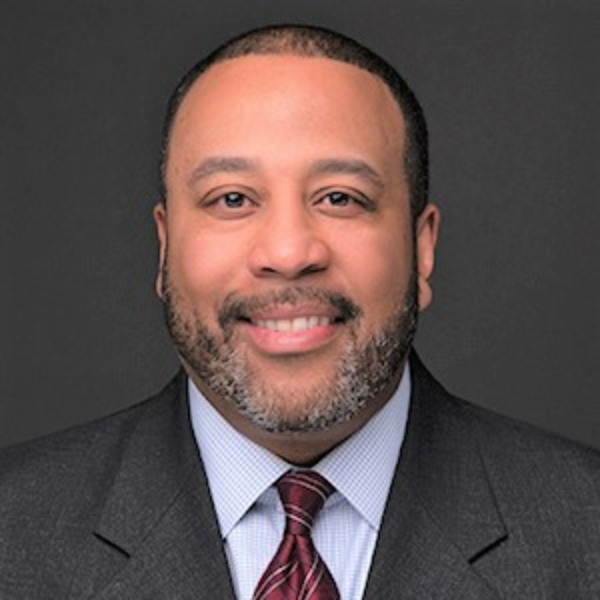
Ariel Jenkins, CSP, CPCU, ARM-P, ARM-E, AIDA, MBA, Assistant Vice President, Risk Control, Safety National
Ariel is a property and casualty risk control and safety professional with more than 25 years of experience. He specializes in assessing exposures, implementing practical safety programs, and leading initiatives that reduce claims and strengthen organizational resilience. With expertise in enterprise risk management and occupational safety, Ariel delivers measurable improvements in compliance, culture and performance. He is also committed to mentoring future leaders and advancing innovation in risk control.

Sign Up for Our Education Newsletter

You Might Also Be Interested In

Should a Captive Be in Your Future?

Captive insurance companies are becoming more common among Universities and Special Districts and have potential for cities and counties. Captives are not just a different form of self-insurance, but the creation and operating of your own insurance company – an insurance company with the flexibility to meet your specific coverage needs.

Read More
Driving a Risk Management Program for Your Public Fleet Operations

In providing uninterrupted services 24/7, a public entity’s fleet contains a variety of motor vehicles, many of which create unique liability exposures requiring special controls and driver training.

Read More
The Secrets Behind Successful OCIPs

What are the secrets behind successful Owner Controlled Insurance Programs (OCIPs)? In this hot construction market, OCIPs offer public entities, schools, and colleges a better method of controlling construction costs and improving project outcomes.

Read More
#YouToo: Lifecycle of a Sexual Misconduct Claim

The #MeToo movement has resulted in increasing sexual misconduct claims against perpetrators and the public entities (#YouToo) for whom they work or volunteer.

Read More
Creating a Culture of Emergency Preparedness

The question for most schools is not if a disaster will happen to them, but when. Being prepared for a disaster, be it an act of violence, natural disaster, or something else, before it strikes can help mitigate both losses and trauma.

Read More
Wake Up and Win!

A dynamic and engaging presentation designed to teach you how to pursue your work whole-heartedly and challenge you to stretch both as a leader and team-member.

Read More
Care and Program Considerations for Underrepresented Populations

Today’s workforce is more dynamic than ever before. In the public risk arena population segments such as first responders require a unique understanding and approach.

Read More
Leveraging Telehealth to Redefine Intake and Proactively Manage Care

Attendees will learn how intake can be bifurcated to address both care management in tandem with claims management. See how to create a virtual occupational medicine clinic and its impact on your patient population.

Read More
Virtual COVID-19 Reopening Task Force Roundtable

Presenters describe pre-existing policies/procedures that are instrumental in an entity’s ability to manage the current health crisis.

Read More