College Campus Protests from a Risk Management Perspective

Tim Wiseman
University Risk Officer, University of Oklahoma

In this podcast episode, we introduce the topic of managing college campus protests from a risk management perspective. Tim Wiseman emphasizes assessing risks, balancing free speech with diversity and maintaining safety. Tim highlights the importance of continuous vigilance, effective communication and proactive policy development. The discussion underscores the need for unity in administrative responses and combating misinformation to ensure the rights of students and the smooth running of academic activities.
*The views and opinions expressed in the Public Risk Management Association (PRIMA) blogs/podcasts are those of each respective author/speaker. The views and opinions do not necessarily reflect the official policy or position of PRIMA.*
Tim Wiseman
University Risk Officer, University of Oklahoma
Summary of Qualifications
Tim has over 35 years of leadership experience in financial management, operational and strategic resource management and risk management in military and public sector higher education institutions. He is currently overseeing the enterprise risk management and insurance functions for the multiple campuses of the University of Oklahoma (Norman campus, Oklahoma City Health Sciences campus and the Tulsa campus). Tim holds the Associates in Risk Management plus Enterprise Risk Management (ARM-E) and Certified Defense Financial Manager with Acquisition (CDFM-A) designations.
Responsibilities
Tim is responsible for establishing and implementing the Enterprise Risk Management (ERM) framework and insurance and claims management for the Norman, Oklahoma City, Tulsa, RSU and Cameron campuses of the University of Oklahoma (referred to collectively as the University). He also establishes a governance structure for ERM, the preparation and documentation of financial and operational processes, risk assessments, and reporting. Tim identifies and recommends risk reduction and mitigation strategies and tools, including for commercial insurance. He oversees the ongoing procurement and management of commercial insurance coverages for the University.
Business Experience
Tim has 25 years of military service in the United States Army as a Finance Corps officer and resource manager in command and staff positions of increasing responsibility in the ranks of lieutenant through colonel. He has 14 years of experience in enterprise risk management, serving in both finance and legal divisions of three different large universities (East Carolina University, University of Wyoming and the University of Oklahoma). He is a previous non-profit ministry board member and budget committee chair.
ERM Experience
Tim is a primary change agent in developing and sustaining ERM programs at three separate higher education institutions and advisor to numerous other colleges and institutions. He is a long standing ERM training faculty member for the Public Risk Management Association and a frequent presenter on ERM topics at conferences and workshops for finance, compliance, internal audit and risk management groups.
Professional Affiliations
- University Risk Management and Insurance Association (URMIA) Board member
- Public Risk Management Association (PRIMA) member
- Technical Advisory Group (TAG) ISO 31000 Member
Education
- Bachelors of Science, Business Administration, University of Arkansas
- MBA, Syracuse University
- Masters in National Resource Strategy, National Defense University
You Might Also Be Interested In


Bella Seger-Wagasy’s 2024 Annual Conference Student Scholar Reflection
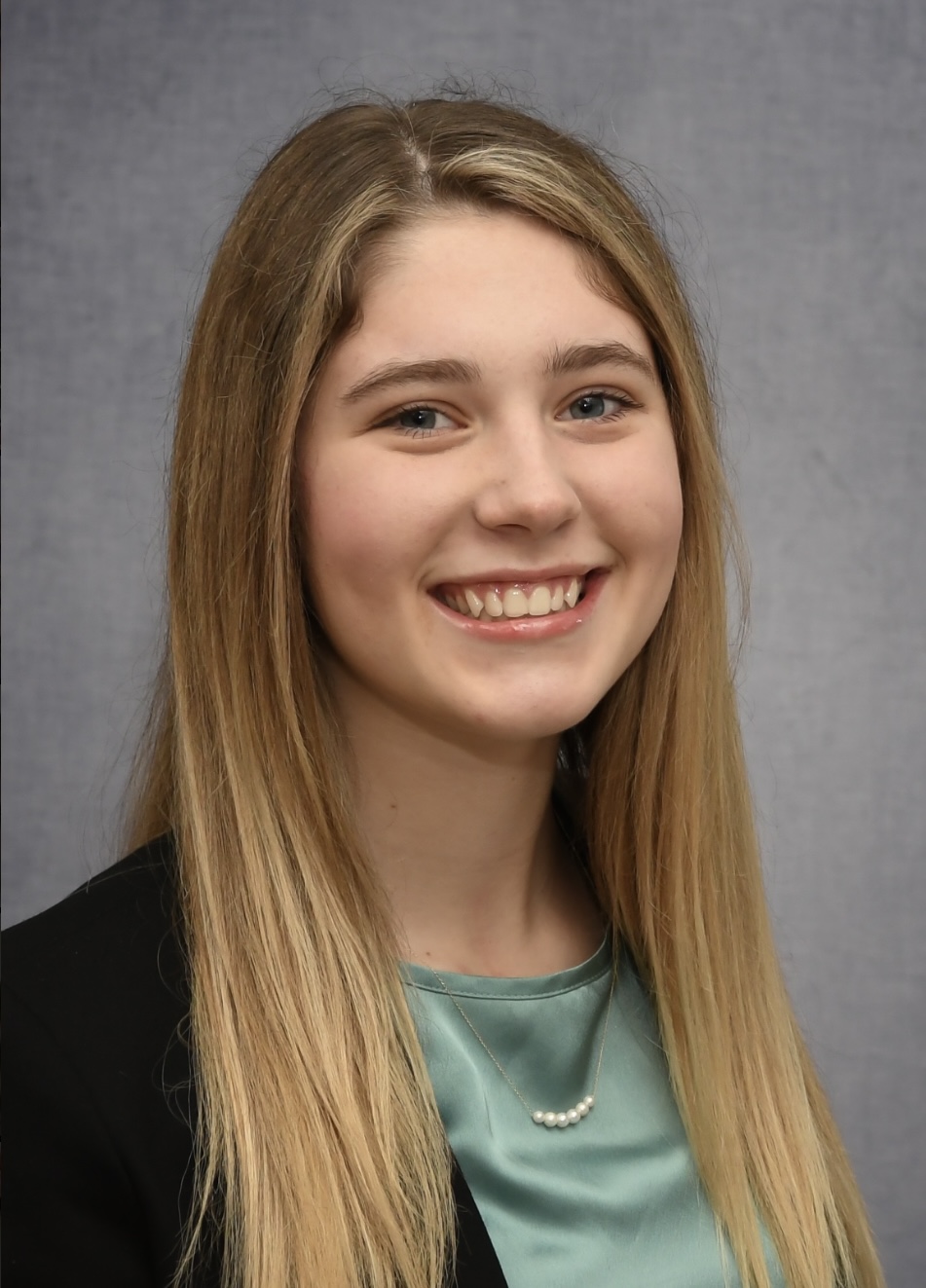
Bella Seger-Wagasy
Insurance and Risk Management Major, The University of Olivet
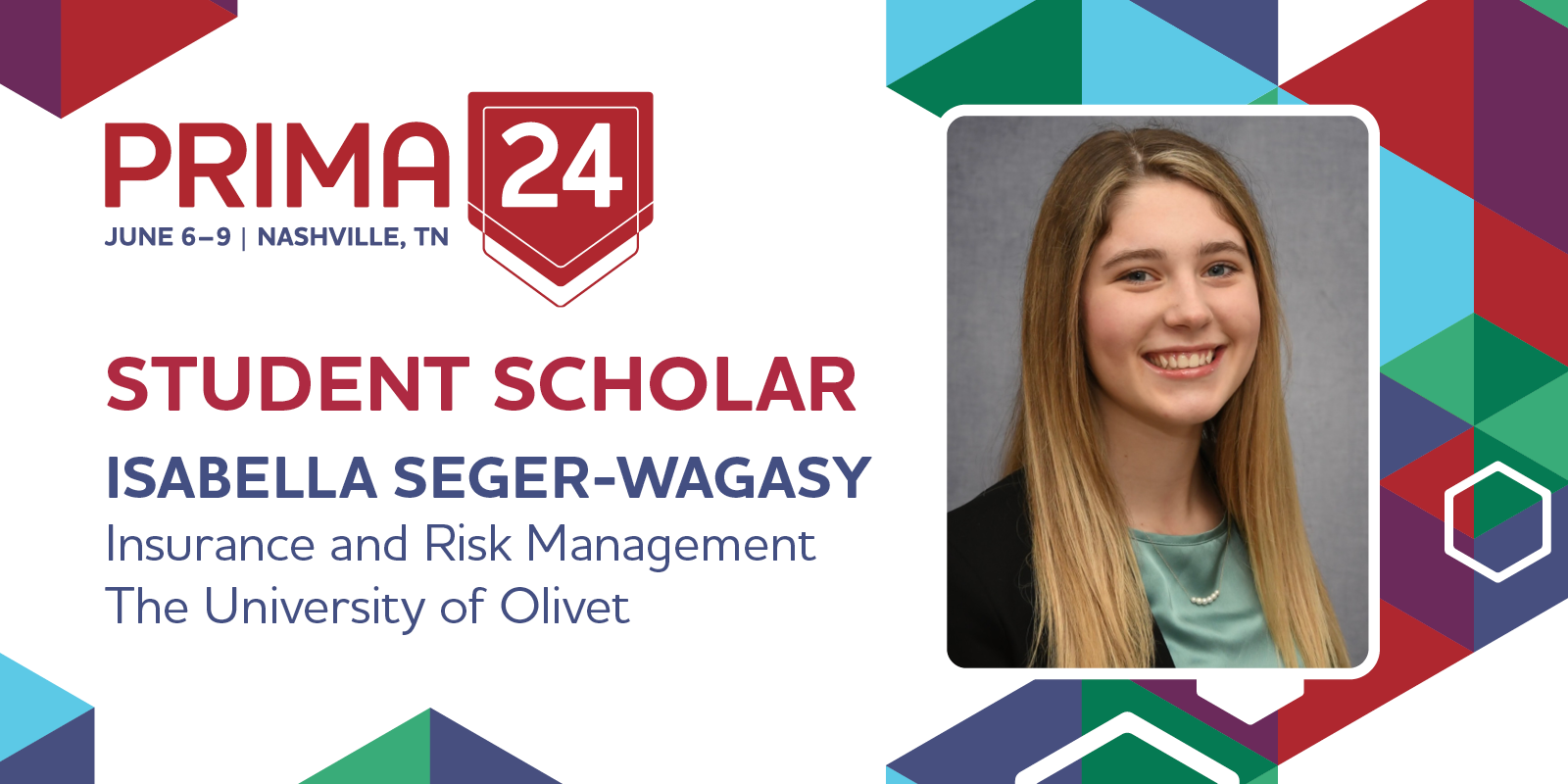
Bella Seger-Wagasy shares her experiences from the 2024 annual conference. Bella discusses her biggest takeaway-seizing opportunities for growth and networking. She was motivated to apply for the scholarship by a friend's positive experience. Bella's most memorable moment was the president's reception, where she engaged with industry leaders. She encourages others to apply for the scholarship, highlighting the valuable connections and friendships she made, which she believes will benefit her future career.
*The views and opinions expressed in the Public Risk Management Association (PRIMA) blogs/podcasts are those of each respective author/speaker. The views and opinions do not necessarily reflect the official policy or position of PRIMA.*
Bella Seger-Wagasy
Insurance and Risk Management Major, The University of Olivet
Bella is a sophomore at the University of Olivet, majoring in insurance and risk management, where she has been able to obtain her property and casualty license in the state of Michigan. Within her major, Bella is the industry relations officer for the school’s Gamma Iota Sigma chapter. She is also on the University of Olivet’s varsity volleyball team. Outside of school, Bella likes to spend time with her family and friends. She also enjoys baking and crafting. Bella has always strived to give back to her community as much as she possibly could through whatever means necessary. Joining the risk management industry allows her to achieve this goal at a higher level.
You Might Also Be Interested In
Ella Virgin’s 2024 Annual Conference Student Scholar Reflection

Ella Virgin
Risk Management and Insurance Major, Middle Tennessee State University
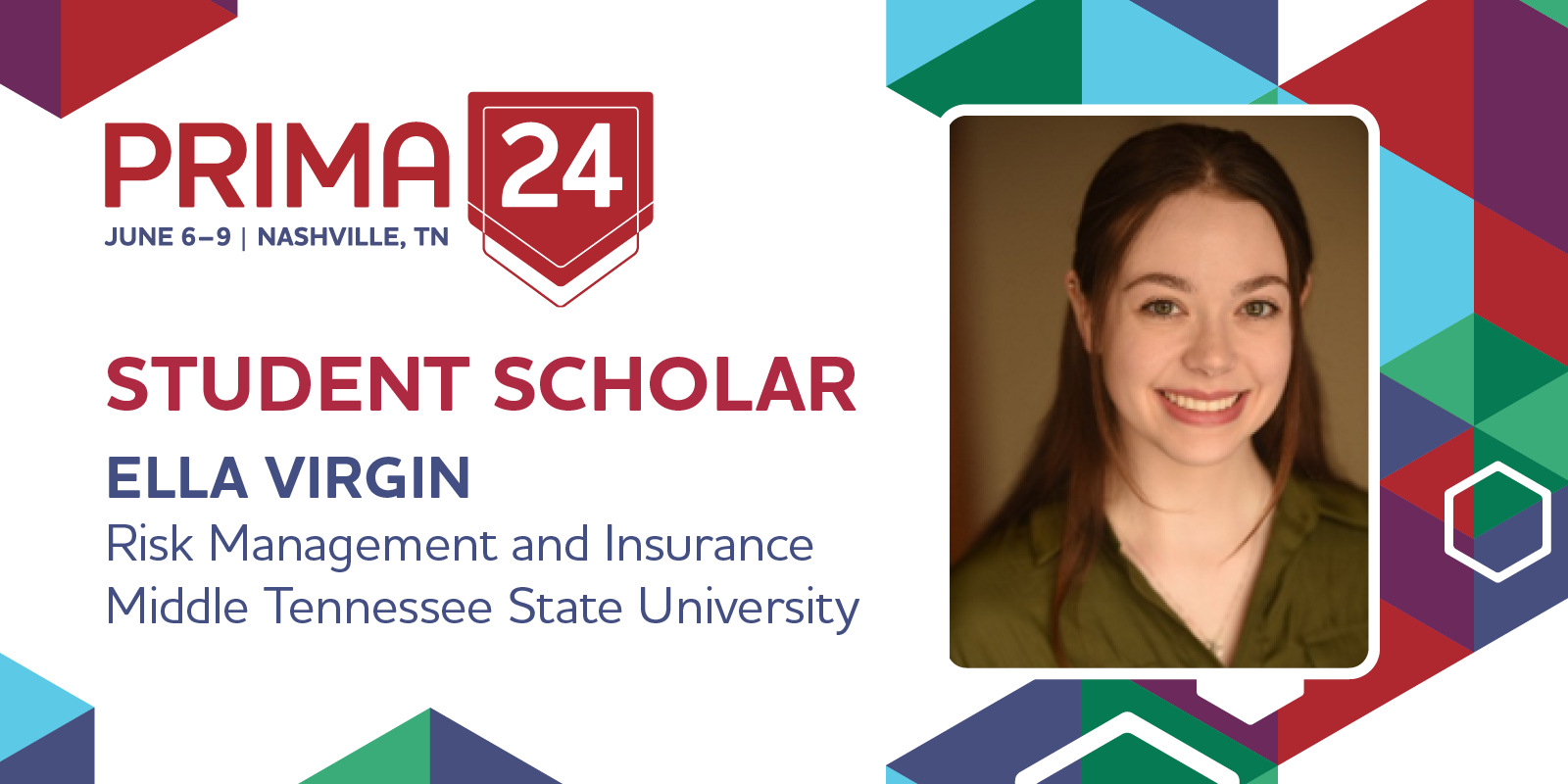
Ella Virgin shares her experience at Prima's 2024 Annual Conference. Ella discusses her motivations for attending, highlights her favorite speaker, Gregory Offner and emphasizes the significant impact of networking at the event. She praises the student conference scholarship program and recounts a pivotal social event on the last night of the conference that left a lasting impression on her.
*The views and opinions expressed in the Public Risk Management Association (PRIMA) blogs/podcasts are those of each respective author/speaker. The views and opinions do not necessarily reflect the official policy or position of PRIMA.*
Ella Virgin
Risk Management and Insurance Major, Middle Tennessee State University
Ella is a junior at Middle Tennessee State University studying risk management and insurance. Originally from Union City, TN, Ella graduated from Union City High School in 2022. Her interest in the insurance industry sparked during freshman year, driving her to pursue opportunities for growth and learning. Ella is actively involved in MTSU’s Gamma Iota Sigma Omega chapter, where she developed leadership skills and a passion for service. She considers the support of the PRIMA 2024 Annual Conference Scholarship as invaluable as she continues her education and pursues a career in risk management and insurance. Beyond academics, Ella enjoys time with her family and friends as well as engaging in various activities on campus. She is excited about the opportunities ahead and remains dedicated to achieving her goals while making a positive impact in her community and industry.
You Might Also Be Interested In
Brady King’s 2024 Annual Conference Student Scholar Reflection
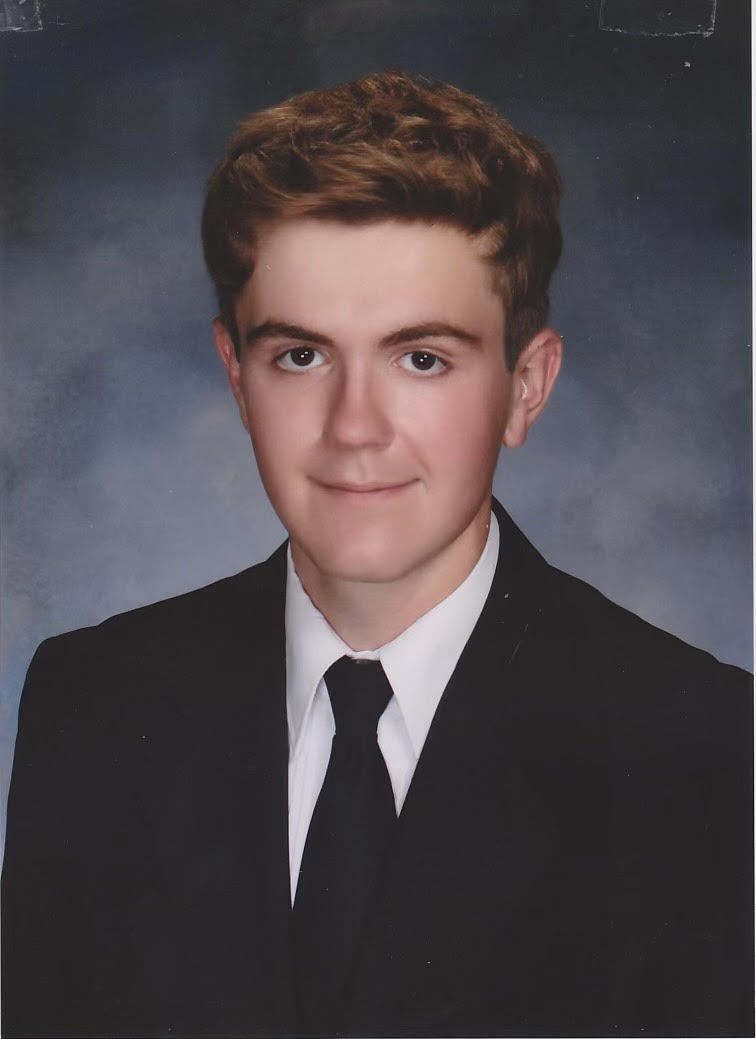
Brady King
Risk Management and Insurance Major, Saint Joseph's University
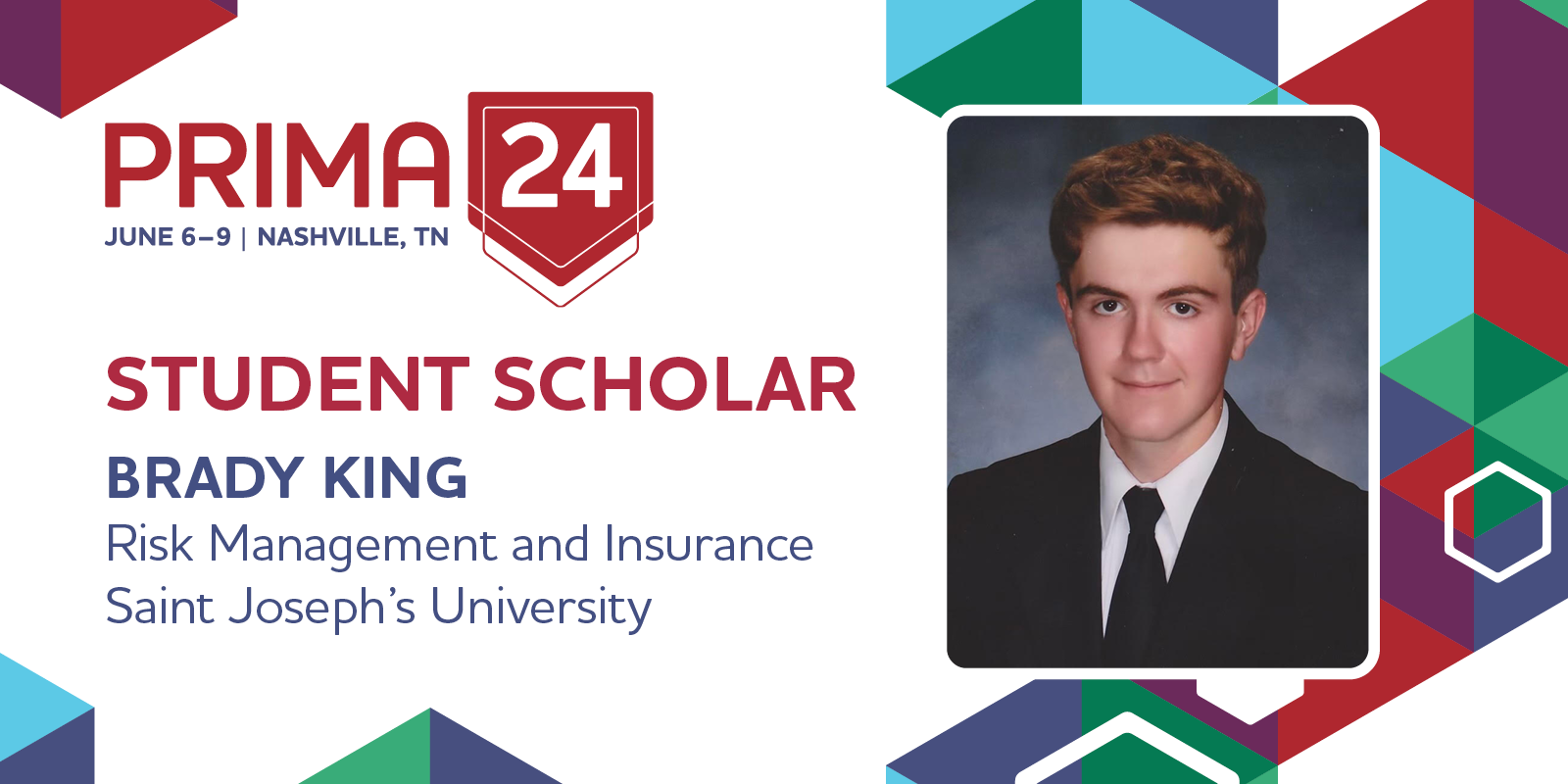
Brady King shares his experience at the 2024 annual conference. Brady highlights the motivational opening speech, valuable networking at the president's reception, and the educational impact of sessions on public risk management. He discusses the cyber risk panel's insights on multifactor authentication and data breaches. Brady emphasizes the importance of active engagement and networking for first-time attendees, sharing his own success in securing internship and job opportunities.
*The views and opinions expressed in the Public Risk Management Association (PRIMA) blogs/podcasts are those of each respective author/speaker. The views and opinions do not necessarily reflect the official policy or position of PRIMA.*
Brady King
Risk Management and Insurance Major, Saint Joseph's University
Brady is a sophomore at Saint Joseph’s University, where he majors in risk management & insurance and minors in data science, math and economics. He is a member of the men’s rowing team, where he earned a bronze medal in the Third Varsity Eight at the 2023 Dad Vail Regatta, the largest college rowing race in the world. Brady is also a member of the Alpha Omega Chapter of Gamma Iota Sigma, where he will be serving as the Actuarial Department chair during the 2024-2025 school year. He is also a member of Beta Gamma Sigma, the international business honor society. Brady’s goal is to become an actuary after college, as he has passed Exam FM and P and will be an actuarial corporate intern at CVS/Aetna during the summer of 2024.
You Might Also Be Interested In
Retention of Talent: Do’s and Don’ts
Mauricio Velasquez
Founder and President, The Diversity Training Group

In this podcast episode, we chat with Mauricio Velasquez to discuss the challenges of the current labor market with emphasis on the importance of organizational alignment, effective supervision and management. He highlights factors that attract and retain talent, such as work-life balance, growth opportunities and company culture. Mauricio also stresses the role of leadership in fostering trust and accountability. The episode concludes with best practices for talent retention.
*The views and opinions expressed in the Public Risk Management Association (PRIMA) blogs/podcasts are those of each respective author/speaker. The views and opinions do not necessarily reflect the official policy or position of PRIMA.*
Mauricio Velasquez
Founder and President, The Diversity Training Group
Summary of Qualifications
Mauricio has trained in every state but North Dakota. His work and life has taken him to more than 70 countries. Mauricio has trained more than 1 million participants in his 29-year career. He is a local, state and national speaker as well as a regular speaker for PRIMA.
Responsibilities
Mauricio is a trainer, consultant, coach, expert witness and author. He published an e-book with accompanying guide earlier this year on improving your DEI strategy, plan and efforts. Presently, Mauricio is writing a book titled "Tackling Toxicity" with a publisher to come out later this year.
Business Experience
With nearly 30 years of experience working at local, state, regional and national level for PRIMA member clients, Mauricio has worked with dozens of organizations in the PRIMA space. Many of his efforts and partnerships with clients are focused on the clients' retention of talent, issues internally and winning the war for talent externally.
Professional Affiliations
Member, Society for Human Resource Management
Education
- BA - Double Major, Economics and Psychology, The University of Virginia
- MBA - Human Resources Management, The George Washington University
You Might Also Be Interested In
Operational Risk Issues Facing Public Entities During Freedom of Speech
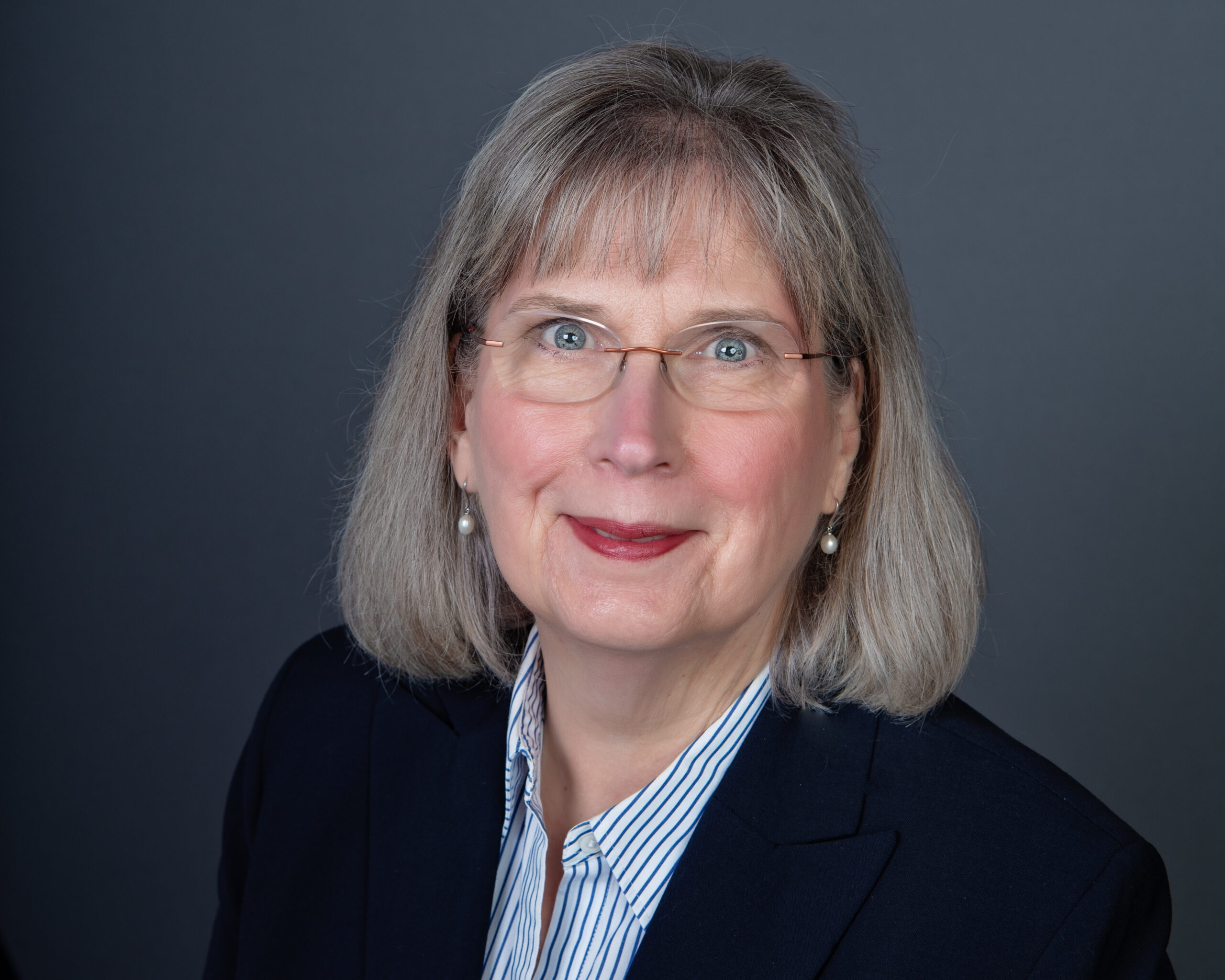
Marilyn Rivers, CPCU, ARM, AIC
Principal, CEO, Rivers Risk Consulting, LLC

In this podcast episode, we chat with Marilyn Rivers. Marilyn discusses operational risk issues for public entities concerning freedom of speech. She underscores the importance of business continuity planning, redundancy in processes and the valuation of public assets. Marilyn highlights the need for accessible information, preparedness and proactive community measures. She also emphasizes safety committees and partnerships with educational institutions and government agencies, Marilyn advocates for a holistic approach to risk management, utilizing the National Incident Management System (NIMS) to mitigate community risks.
*The views and opinions expressed in the Public Risk Management Association (PRIMA) blogs/podcasts are those of each respective author/speaker. The views and opinions do not necessarily reflect the official policy or position of PRIMA.*
Marilyn Rivers, CPCU, ARM, AIC
Principal, CEO, Rivers Risk Consulting, LLC
Summary of Qualifications
Marilyn is a nationally recognized public entity leader, strategist and educator in the field of risk management with over 35 years of risk and safety experience. She has firsthand experience in establishing best practice standards for property and casualty fiscal risk management programming. Marilyn has expertise in establishing partnerships, helping folks overcome communication issues and achieving consensus.
Responsibilities
Marilyn is an educator, blogger and consultant managing risk and safety projects for public sector clients and private companies serving public entities
Business Experience
Marilyn's experience consists of 20 years of service in the public sector in risk and safety management, five years in national healthcare risk management at the executive level and 10 years working in the private sector in insurance and information technology.
Professional Affiliations
Marilyn is a member of PRIMA, CPCU Society and Lions International.
Education
- Masters in Education, Tufts University
- Bachelors of Science in Chemistry, Clarkson University
You Might Also Be Interested In
CARE: A Four Letter Word for Simplifying WC System Complexities
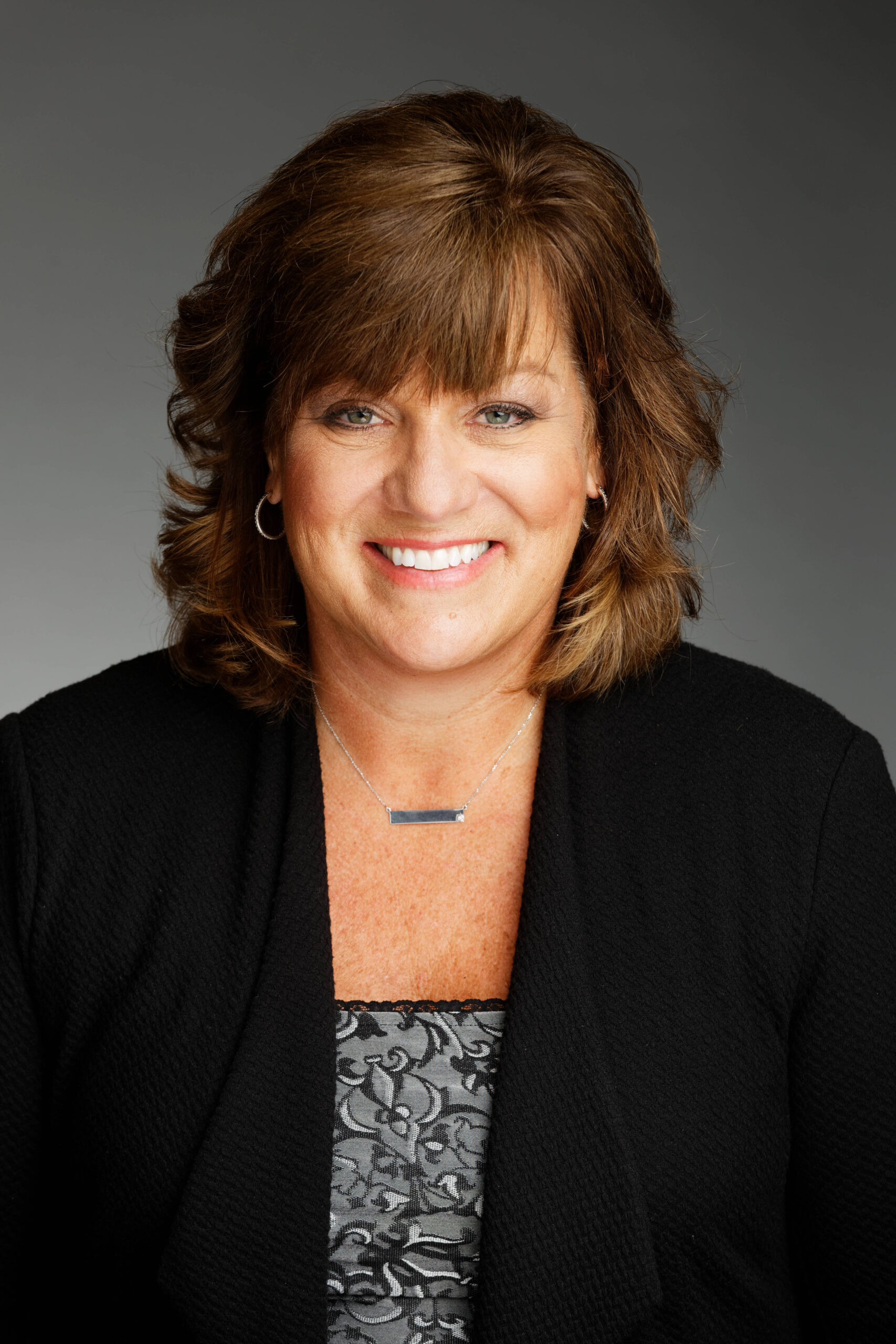
Terri Riley
Senior Vice President, Managed Care Practices and Client Services, Careworks

In this podcast episode, we have a discussion on simplifying the complexities of the workers' compensation system with Terri Riley. Terri emphasizes the centrality of care for injured employees, focusing on their safety, job security and health. She discusses the challenges in medication delivery, the necessity of crisis care management for public entities and first responders, and the streamlining of claims management processes. Terri also addresses the rising costs in workers' compensation and the role of managed care in controlling these costs and aiding return-to-work efforts.
*The views and opinions expressed in the Public Risk Management Association (PRIMA) blogs/podcasts are those of each respective author/speaker. The views and opinions do not necessarily reflect the official policy or position of PRIMA.*
Terri Riley
Senior Vice President, Managed Care Practices and Client Services, Careworks
Summary of Qualifications
Terri has nearly 25 years’ experience in major account management, most of which has been specific to managed care services and related programs. As part of the Careworks team, she is committed to helping injured employees get back to health, work and productivity, all while positively impacting claims outcomes.
Responsibilities
In her current capacity, Terri is responsible for national managed care best practices, assuring operational and regulatory accuracy both internally and with our business partners. She has national oversight of managed care product development, major account client services, marketing and communications, and product training. She applies analytical skills for identifying potential cost-savings areas, project implementation management and complex problem-solving.
Business Experience
Terri has extensive experience with developing and growing managed care products, promoting services to brokers and clients, and evolving client programs from implementation into long-term successful partnerships. She has specialty expertise in ancillary services, including bill review, case management, utilization review, regulatory compliance and vendor partnerships. Her background includes managed care program management, implementation project management, creative program design and program training.
Professional Affiliations
Terri is a member of Risk & Insurance Management Society and Mid-South Workers Compensation local chapters, and is the TN Ambassador for the Alliance of Women in Workers' Compensation. She currently sits on the executive board of Leadership Memphis, having also receiving certificates of graduation from their executive programs, and co-leader for the West TN chapter of Kids’ Chance. Terri frequently speaks at national industry conferences, client meetings and training sessions.
Education
Terri has a Bachelor of Science in business administration. She has continued her academics through programs offered by the Insurance Institute of America and American Management Association.
You Might Also Be Interested In
Don’t Blow a Gasket! Solutions to Address Employee Mental Well-Being and Mental Health
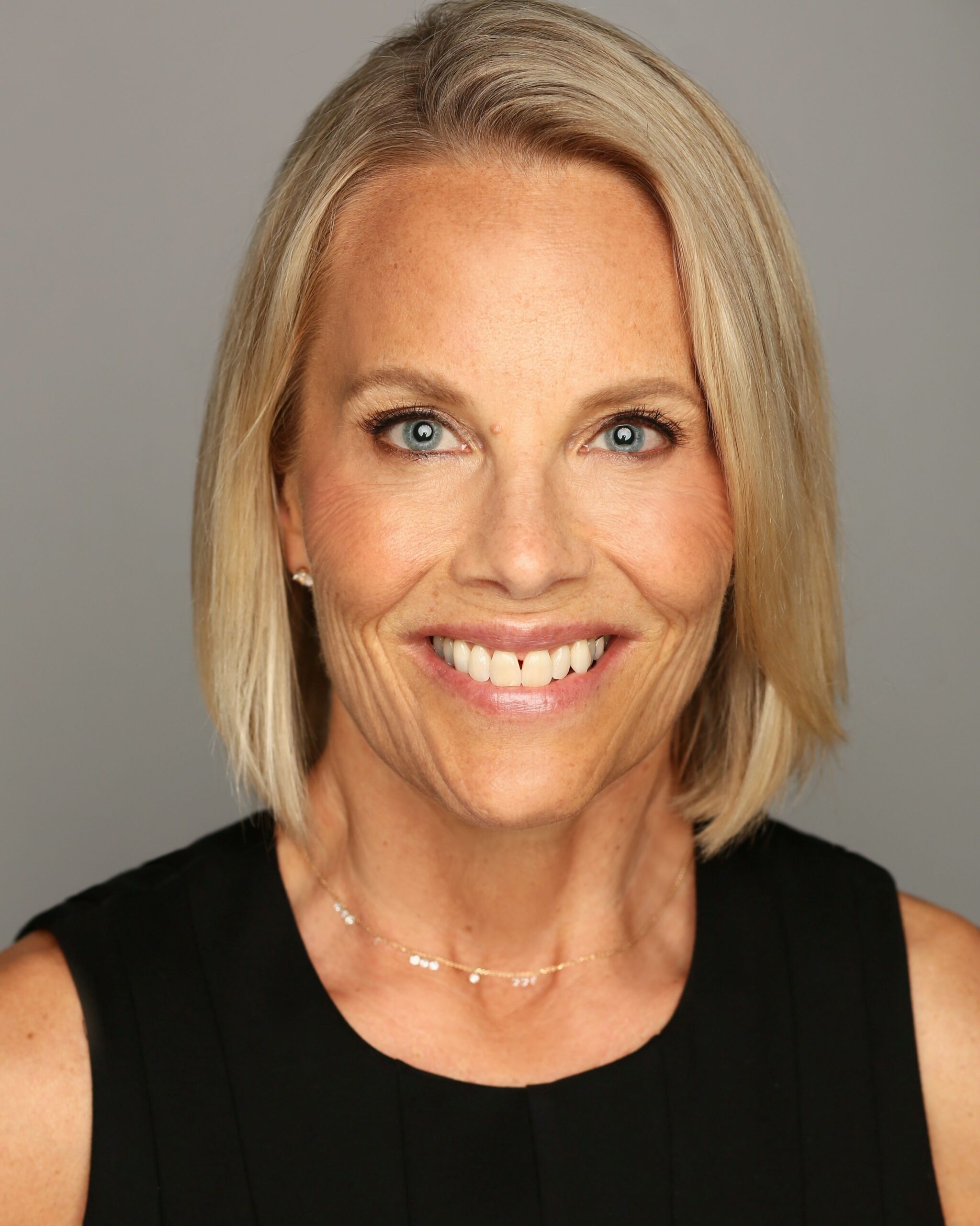
Kate Hubben
Vice President, Corporate Benefits, NFP

This podcast episode, we open up a discussion on mental wellbeing and public sector employee benefits. Kate Hubben explores the trends in benefits plans, emphasizing the need for innovation and cost management, particularly regarding pharmacy costs. She underscores the significance of mental health in long-term public employment, citing examples of employers investing in onsite mental health resources. The conversation also covers the effectiveness of wellness programs, with Kate advocating for condition management. She discusses the complexities consultants face when working with diverse public sector groups and the necessity for continuous benefits plan evaluation and innovation.
*The views and opinions expressed in the Public Risk Management Association (PRIMA) blogs/podcasts are those of each respective author/speaker. The views and opinions do not necessarily reflect the official policy or position of PRIMA.*
Kate Hubben
Vice President, Corporate Benefits, NFP
Summary of Qualifications
Kate worked in the public sector the first half of her career and has been an employee benefits consultant for 15 years. Kate currently works with large self-funded groups for NFP and is consistently recognized for her client retention and tenacity to find savings for her clients. Kate is a certified self-funding specialist, and holds a B.A. from The Ohio State University and an M.P.A. from Cleveland State University.
Responsibilities
Kate is vice president of NFP and works with companies and public entities all across the United States. She is responsible for all strategy for groups with over 250 employees struggling to find ways to handle the consistent annual increases in healthcare costs. Healthcare is 17% of our gross domestic product (GDP) and we have an acute problem of affordability and a chronic problem of spending. Kate works with her clients to look at alternative funding models, condition management and pharmaceutical arrangements that can stem this rising cost. Kate leads a team of financial analysts, claim advocates and client managers to deliver results for her clients.
Business Experience
Kate was the senior director of global patient services at the Cleveland Clinic, where she worked with the international medical community in South America and the Middle East. Kate used this experience to move into the insurance side of healthcare and managed care and worked with Willis Towers Watson for 8 years and NFP since 2021 as a consultant.
Professional Affiliations
- In Counsel with Women (Board Member)
- Tri C Foundation (Board Member)
- Cleveland Jewish News (Vice Chair)
Education
- B. A., The Ohio State University
- Masters of Public Administration, Cleveland State University
- Certified Self Funding Specialist, HCAA
You Might Also Be Interested In
Police and Organizational Behavior: How Did We Get Here?
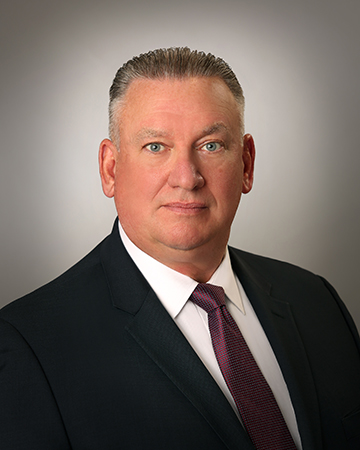
Mark Anderko
Business Development Executive, Lexipol

In this podcast episode, we introduce a conversation on police organizational behavior with insights from Mark Anderko. The dialogue covers leadership, culture and managing problem employees in law enforcement. Mark emphasizes the need for trust, accountability, and understanding an agency's culture, advocating for a SWOT analysis to assess the organization. He shares a pivotal 2013 incident from his career, highlighting the importance of proper training, wellness programs and early intervention in minor offenses. The episode concludes with advice for police commanders on maintaining organizational integrity and aligning employees with the agency's core values.
*The views and opinions expressed in the Public Risk Management Association (PRIMA) blogs/podcasts are those of each respective author/speaker. The views and opinions do not necessarily reflect the official policy or position of PRIMA.*
Mark Anderko
Business Development Executive, Lexipol
Summary of Qualifications
Mark’s law enforcement career includes more than 28 years of experience in New Jersey policing. He served as the Deputy Chief of Police with the Edison Police Department, a large suburban/urban 200-officer department supported by 108 civilian personnel workforce. Mark’s experience also includes leadership positions with the Edison Police Department Emergency Response Team (ERT) and as the coordinator for the Edison Office of Emergency Management. During his career, Mark served as an adjunct professor with John Jay College (NYC) and Middlesex County College, instructing undergraduate and graduate-level courses in police science. He also served as an adjunct instructor for Metropolitan College of New York, instructing graduate-level courses in emergency and disaster management. Mark also instructs for the New Jersey State Association of Chiefs of Police in the subject matter of command and leadership. He served eight years as an accreditation assessor for the New Jersey State Association of Chiefs of Police Law Enforcement Accreditation Program (LEAP) and as a staff instructor for the First-line Supervision Program. In addition, he was an instructor for the New Jersey State Police Field Training Unit, delivering talks on leadership and leadership development.
Mark is a graduate of the West Point Command & Leadership Program, Police Executive Institute sponsored by the New Jersey State Association of Chiefs of Police and the renowned Northwestern University School of Police Staff and Command. He retired from public service in 2016 and has worked in the private sector since, working with agencies on the federal, state and local levels.
Responsibilities
Mark serves as a strategic partnership manager representing 13 states in the Northeast portion of the United States. Mark works cross-functionally to implement strategic market development initiatives/programs through partnerships and alliances.
Business Experience
- 28 Years - Police Officer with a large municipal agency - New Jersey
- 7 Years - Private Sector Work in Business Development with Public Sector Entities
Education
- Bachelor of Science, Criminal Justice, University of Scranton
- Masters of Education and Administration, Seton Hall University
- Certified Public Manager (CPM), Farleigh Dickinson University
- Mini – Masters Certification in Public Administration, Rutgers University
- Graduate - Northwestern University Center or Public Safety - School of Police Staff and Command
- Graduate - New Jersey State Association of Chiefs of Police - West Point Command & Leadership Program
You Might Also Be Interested In
What is at Risk? The Importance of Accurate Property Values
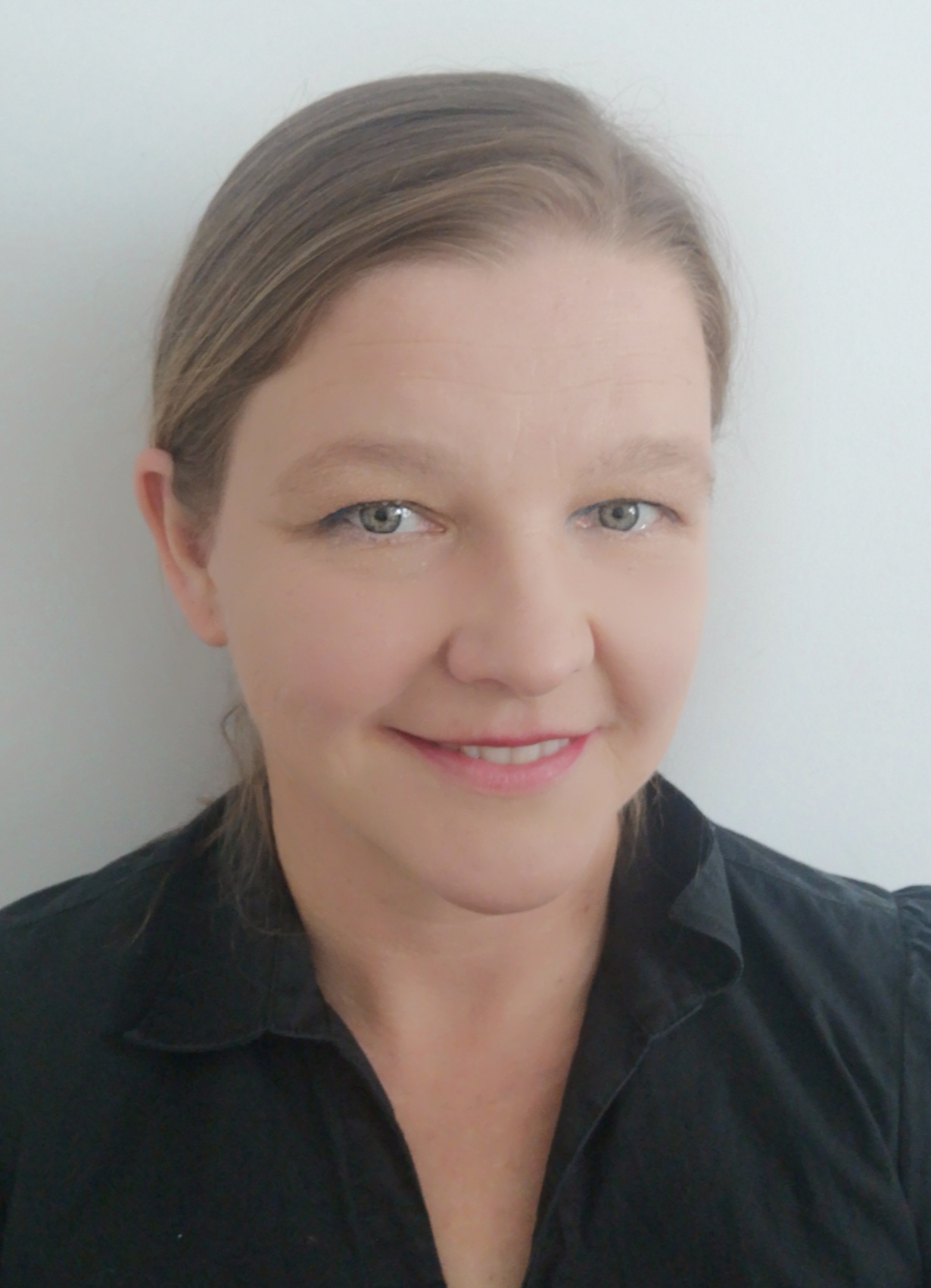
Natalia Szubbocsev, CAIB, MBA
Executive Vice President, Appraisals International

In this this week's episode, we introduce a discussion on the critical role of accurate property appraisals in risk management, featuring insights from Natalia Szubbocsev. Natalia emphasizes the need for precise property values amidst fluctuating insurance rates and diverse risks, including cyber threats and climate change. She outlines the challenges faced by public sector risk managers, such as asset complexity and data issues, and explores valuation methods like replacement cost. The episode highlights the benefits of independent appraisals and the appraisal process.
*The views and opinions expressed in the Public Risk Management Association (PRIMA) blogs/podcasts are those of each respective author/speaker. The views and opinions do not necessarily reflect the official policy or position of PRIMA.*
Natalia Szubbocsev, CAIB, MBA
Executive Vice President, Appraisals International
Natalia has fulfilled various roles over the course of 15+ years of experience in the insurance valuation industry, including business development, project management, human resources, etc. As vice president, she currently oversees the operations of Appraisals International, a global fixed asset valuation company with a specialization in insurance appraisals. Natalia is a seasoned presenter and writer on the topic of the importance of accurate property values, remote teamwork, diversity and inclusion, and a number of other topics. Natalia holds a Master of Business Administration degree and is in the process of obtaining her CRM designation.