Capital Projects Planning
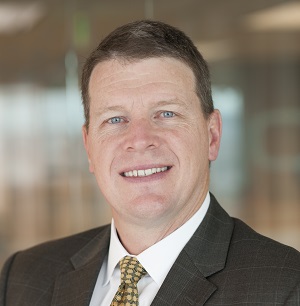
Shon DeVries
Sales Director, Propel Insurance

This week, Shon DeVries, speaks on capital projects planning and insurance for public agencies. Shon emphasizes the importance of public agencies considering insurance as soon as they have an approved budget and project plan. Taking control of insurance for critical projects is crucial to ensure adequate coverage and avoid relying solely on contractors in the event of a claim.
Shon also highlights the significance of accounting for workers' compensation liability when budgeting for insurance on large construction projects. It is essential for public agencies to factor in this liability to ensure comprehensive coverage and protect their workers.
Furthermore, Shon addresses the pollution liability risks associated with capital construction projects and provides insight on how public agencies should handle them. His expertise guides public agencies in understanding the proactive measures required to mitigate potential pollution liabilities.
*The views and opinions expressed in the Public Risk Management Association (PRIMA) blogs/podcasts are those of each respective author/speaker. The views and opinions do not necessarily reflect the official policy or position of PRIMA.*
Shon DeVries
Sales Director, Propel Insurance
In his 25 years in the insurance and risk management field, Shon has been an underwriter, insurance broker, corporate risk manager and risk management consultant. As an insurance broker, Shon has consulted on insurance programs for over $40 billion of project values on over 60 large projects over the past 15 years. His experience with project risk planning and assessment for complex public infrastructure projects includes the design of both traditional and alternative risk management programs, wrap-ups, contract formation, risk allocation, risk mitigation systems analysis and construction claim resolution. In addition to his work with large infrastructure projects, Shon also serves as the Public Entity Practice Leader at Propel, working with mid to large sized cities, counties, school districts and other public agencies to improve risk management practices and reduce cost of risk.
You Might Also Be Interested In



Property Insurance Market: Trends and Challenges
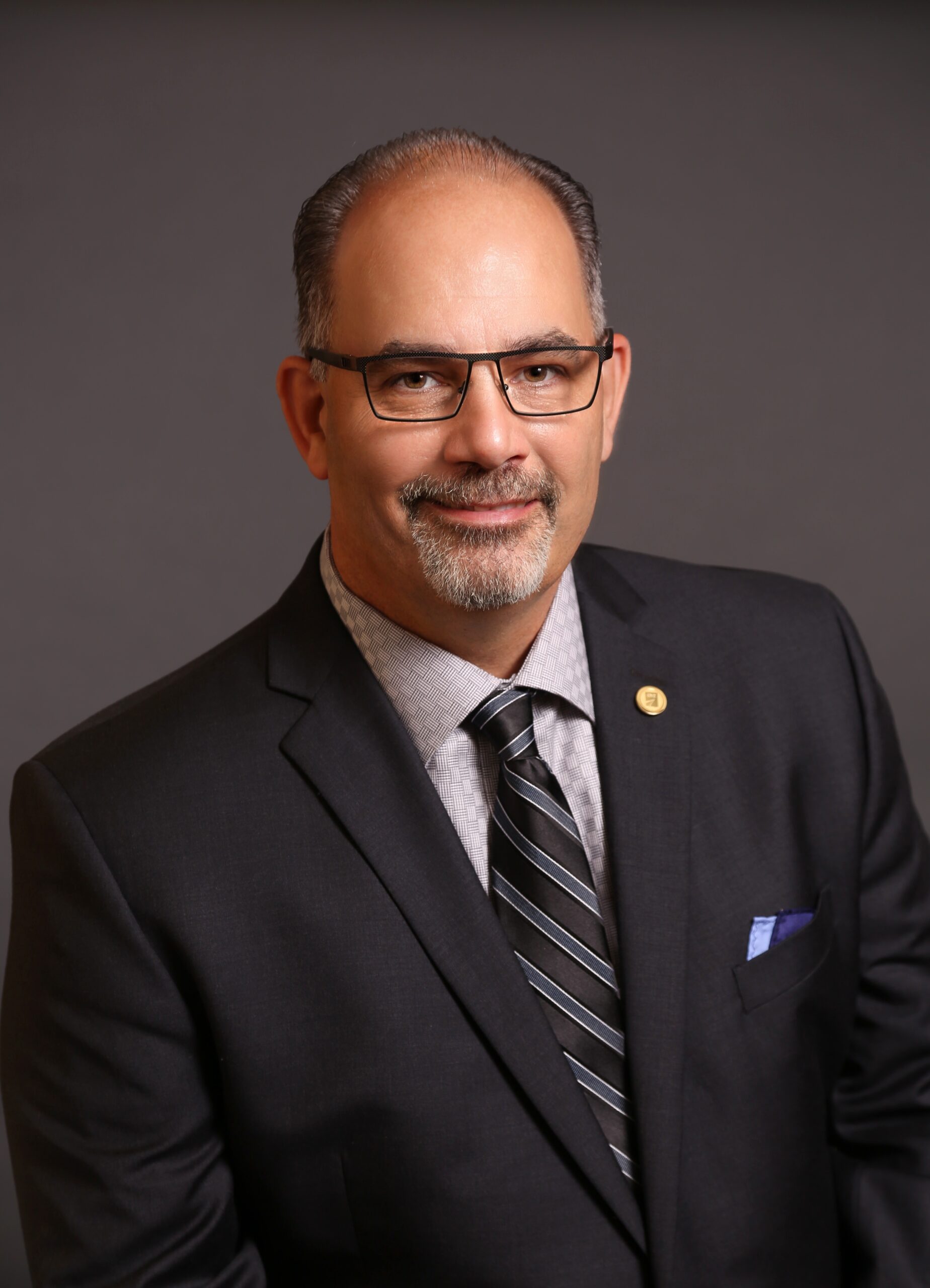
Ron Acebal
National Director, CBIZ Valuation Group

In this podcast episode, Ron Acebal discusses property insurance market trends and challenges. He talks about changes in the property insurance market, including property submission requirements, the cost of construction and the impact of climate change.
Ron emphasizes the importance of taking property insurance submissions seriously and aligning property values with insurance replacement costs. He advises insureds to work closely with their insurance brokers to understand what different markets want to see in a property submission and to set aside time and dedicate resources to facilitate the collection of data.
*The views and opinions expressed in the Public Risk Management Association (PRIMA) blogs/podcasts are those of each respective author/speaker. The views and opinions do not necessarily reflect the official policy or position of PRIMA.*
Ron Acebal
National Director, CBIZ Valuation Group
Summary of Qualifications
Ron is a national director for the Tangible Asset Practice of CBIZ Valuation Group. His consulting expertise includes consultative development and implementation of property valuation and data aggregation solutions for risk management and property cost accounting requirements. Ron’s primary focus is on large property risk sharing consortiums in addition to Fortune 1000 companies, captives, religious institutions, commercial insurance/brokers carriers, healthcare institutions, reinsurance intermediaries and private industry.
Responsibilities
Ron has been frequently invited to present at national, statewide and regional professional association conferences to address the topics of property cost accounting, insurance valuation, and data aggregation and collection. Some of the associations he has presented to include the Public Risk Management Association, Massachusetts Municipal Auditors’ & Accountants’ Association, Midwest Higher Education Compact Property Program, Maryland Municipal League, Association of School Business Officials International, The New York State Association of School Business Officials, The New York State Government Finance Officers’ Association, New Jersey Association of School Business Officials, Florida PRIMA, South Carolina PRIMA and others. In addition to presenting to these organizations, Ron has also authored articles dealing with property insurance appraisal, property cost accounting and the importance of property exposure data for various publications and association newsletters.
Business Experience
Ron has significant experience with the consulting and implementation of and management of property valuation programs for property for national, statewide and regional risk sharing consortiums. This experience includes organizing and coordinating underwriting and data collection requirements, coordinating work product/deliverables, budget development, contractual administration and providing various types of marketing and educational support services to these types of organizations.
You Might Also Be Interested In
Leading with Love
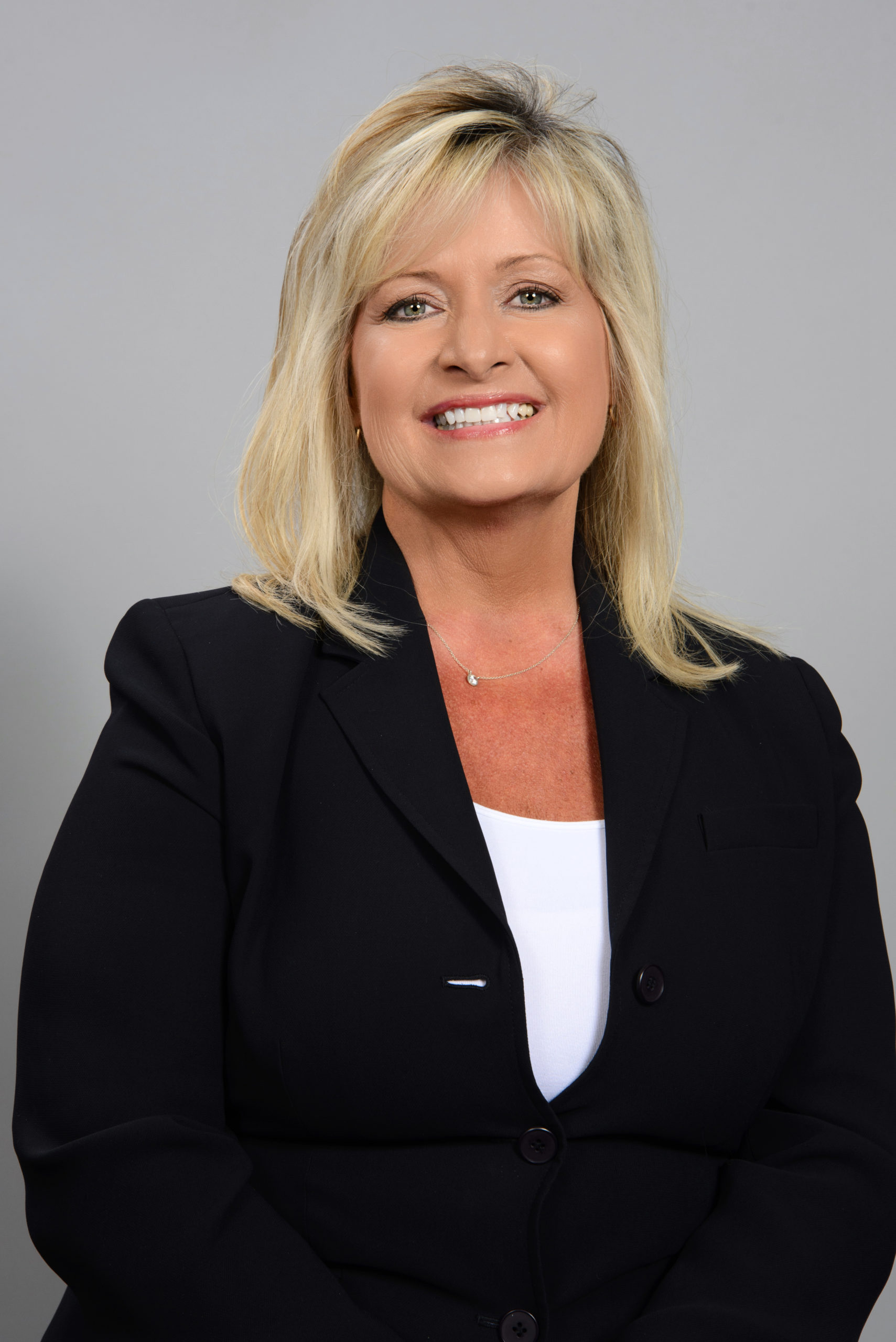
Jani Jennings
Risk Manager, City of Bellevue, NE

In this weeks episode, Jani Jennings discusses how leading with love can improve employee morale and productivity.
Jani draws attention to the issue of having an unmotivated, disengaged staff and offers solutions concerning how to re-engage them. Jani touches on the concept of altruistic love and the importance of being genuinely caring towards your employees. She goes on to explain how to remain a leader rather than a manager and offer practical advice on how to inspire a team.
*The views and opinions expressed in the Public Risk Management Association (PRIMA) blogs/podcasts are those of each respective author/speaker. The views and opinions do not necessarily reflect the official policy or position of PRIMA.*
Jani Jennings
Risk Manager, City of Bellevue, NE
Summary of Qualifications
Jani is the risk manager for the City of Bellevue, Nebraska. She is an accomplished, results-driven leader with 20 years of experience in risk management. Jani was a director on the PRIMA Board from 2016-2018 and was PRIMA board president in 2019. She also served as a director on the IA/NE/SD PRIMA Chapter board from 2006-2014 and was president in 2012. From 2008-2011, Jani served as president of the Nebraska Self Insurer's Association. She is recognized for her expertise in risk management and has spoken at numerous professional gatherings.
Business Experience
Jani has extensive experience in city government risk management. Prior to heading a new risk management department in 2004, she was a specialist in human resources responsible for workers' compensation, safety and liability claims. Jani received her ARM (Associate in Risk Management) designation in 2014.
Professional Affiliations
PRIMA, IA/NE/SD PRIMA Chapter, Bellevue Chamber of Commerce
Education
Jani is a graduate of Patricia Stevens Business College in Omaha.
You Might Also Be Interested In
Psychadelics: Panacea of Pandora’s Box?

Phil Walls, RPh
Chief Clinical Officer, myMatrixx

In this week's episode, Phil Walls explores the definition of psychedelics, which includes drugs such as LSD, psilocybin, ketamine and esketamine. He explains the differences in the chemical compositions of these drugs and how they can be used medically or recreationally.
Phil speaks about the use of psychedelics and hallucinogens, including older and more recently developed drugs. While LSD and psilocybin are classified as Schedule 1 drugs and have abuse potential, drugs like esketamine are available as Spravato nasal spray for prescription use in treating mental disorders.
The conversation also delves into the abuse potential of psychadelics and the ongoing research regarding their therapeutic uses.
*The views and opinions expressed in the Public Risk Management Association (PRIMA) blogs/podcasts are those of each respective author/speaker. The views and opinions do not necessarily reflect the official policy or position of PRIMA.*
Phil Walls, RPh
Chief Clinical Officer, myMatrixx
Responsibilities
Phil is the chief clinical officer for myMatrixx. He joined the company in 2006 and oversees all aspects of myMatrixx’s clinical program, including drug utilization review, formulary management, drug regimen reviews and targeted intervention with prescribing physicians.
Business Experience
Phil is a clinical pharmacist with over 40 years of experience in pharmacy, healthcare informatics and workers’ compensation. Previously, he served in leadership positions within the industry with Health Information Designs, Inc., PMSI and Cigna Healthcare of Florida, Inc. He is a published author and frequent national speaker on clinical issues in workers’ compensation.
Professional Affiliations
Phil was named CompPharma’s 2015 Person of the Year and received the Dorland Health People Pharmacist Award. He is a member of the AMCP, APhA, APS, ASAP, ASHP, FPA and the International Society for Pharmacoeconomics and Outcomes Research.
Education
Phil received his Bachelor of Science in pharmacy from Mercer University School of Pharmacy and was awarded doctoral candidate status in pharmacology at Ohio State University.
You Might Also Be Interested In
Waste-ing Away… This is Not Margaritaville
Lisa Hammond
Risk Control & Business Development Manager, Tokio Marine HCC

In this week's episode, Lisa Hammond discusses solid waste management. Listen in as she provides a brief history of solid waste management dating back to 3000 BC in Crete and the Roman Empire. She also reveals the challenges associated with solid waste management and how we can address them.
Lisa emphasizes the importance of reducing waste generation through reuse and recycling and educates the public on proper waste disposal. She urges municipalities to educate residents and businesses on proper recycling and waste disposal methods. This should include developing long-range plans for public education and engagement initiatives that will help reduce waste streams for a sustainable waste management program.
*The views and opinions expressed in the Public Risk Management Association (PRIMA) blogs/podcasts are those of each respective author/speaker. The views and opinions do not necessarily reflect the official policy or position of PRIMA.*
Lisa Hammond
Risk Control & Business Development Manager, Tokio Marine HCC
Lisa has been with TMHCC for almost five years providing risk control and business development services in the southeastern US region. She has over 25 years of experience in the safety and risk management field in various industries. Prior to working with TMHCC, Lisa served as a safety and risk director for over 12 years in both city and county government in North Carolina. Her experience in local government Administration offers a broad knowledge of departmental operations and budgeting.
You Might Also Be Interested In
OSHA: Best Practices for Public Entities
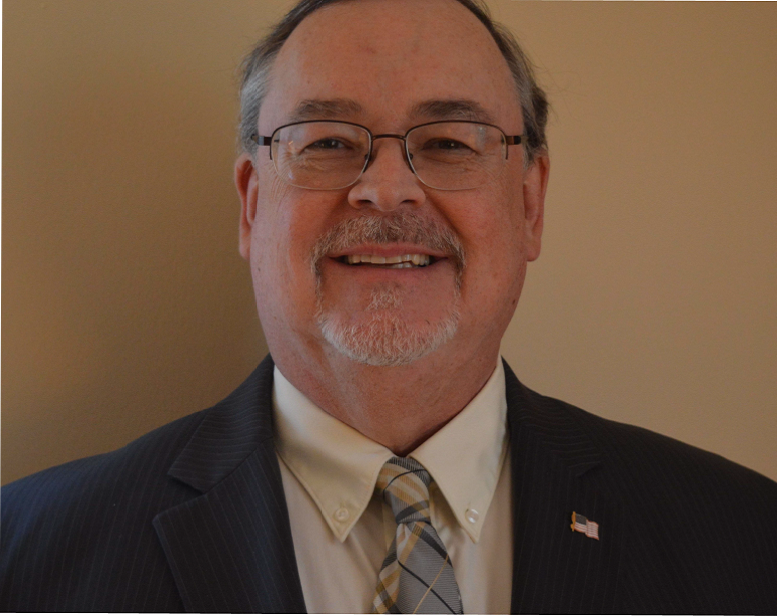
Tim Weir
Risk Control Specialist, PMA Companies

This week, Tim Weir chats about OSHA best practices for public entities. He communicates the importance of OSHA standards in promoting workplace safety and health. Tim notes that OSHA is not just a punitive organization but also offers training, outreach, education and assistance to organizations and people. He believes that public entities should follow OSHA standards to prevent accidents and avoid negative press.
Tim highlights best practices for workplace safety and how OSHA standards can benefit both managers and their employees. He also emphasizes the need for self-evaluation to identify and control potential workplace hazards, and how OSHA standards can aid in this process. Overall, Tim stresses the critical role that OSHA standards play in ensuring safe and healthy working conditions.
*The views and opinions expressed in the Public Risk Management Association (PRIMA) blogs/podcasts are those of each respective author/speaker. The views and opinions do not necessarily reflect the official policy or position of PRIMA.*
Tim Weir
Risk Control Specialist, PMA Companies
Responsibilities
Tim is a risk control specialist for PMA Companies and is responsible for providing risk management and safety consulting services to public entities, TPAs and other fee-based clients.
Business Experience
As a public entity expert, Tim has over 43 years of experience in the safety and risk control field, 39 years with major carriers. He is a frequent presenter on public entity compliance topics for clients and colleagues. Tim has over 47 years of municipal service, including a term as an elected official and continues to be an active volunteer in his township.
Professional Affiliations
Tim is a member of ASSP Philadelphia chapter.
Education
Tim has a degree in construction engineering technology from Algonquin College, Ottawa, Canada. He holds an ARM-P designation from the Insurance Institute of America, is an OSHA authorized general industry trainer and a certified playground safety inspector. Tim has also completed numerous insurance industry courses in property protection, product liability, employment practices liability, machine/equipment guarding and ergonomics, and holds numerous certificates in firefighting and fire investigation.
You Might Also Be Interested In
An Epidemic Amid a Pandemic: Opioid Abuse
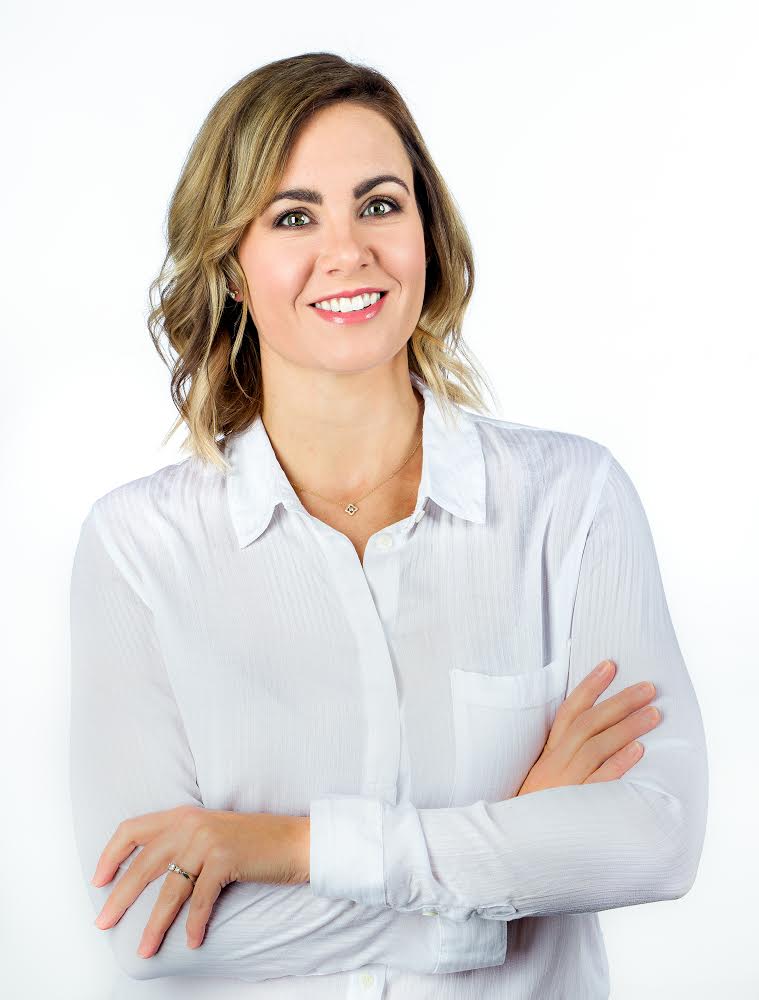
Nikki Wilson, PharmD, MBA
Senior Director of Pharmacy Clinical Services, Enlyte

On this week’s podcast, Nikki Wilson highlights the prevalence of opioid use and opioid use disorder during the COVID-19 pandemic in the US, which enhanced an already pervading national emergency.
The COVID-19 pandemic has heightened the pre-existing opioid epidemic, which already served as one of the leading causes of adult accidental deaths. Isolation, mandated lockdowns and reduced access to resources and support have seemingly worsened the situation, with 40% of US adults reporting mental health or substance use issues and 13% reporting new or increased substance use due to COVID-related stress.
Around 46.3 million Americans aged 12 or older reported substance use disorder in the past year, and 9 million people reported opioid misuse, indicating a significant increase from a decade ago.
*The views and opinions expressed in the Public Risk Management Association (PRIMA) blogs/podcasts are those of each respective author/speaker. The views and opinions do not necessarily reflect the official policy or position of PRIMA.*
Nikki Wilson, PharmD, MBA
Senior Director of Pharmacy Clinical Services, Enlyte
Summary of Qualifications
As a licensed pharmacist, Nikki has over 13 years of comprehensive industry experience through leadership roles across prescription home delivery programs, pharmacy operations and benefit management (PBM), and clinical product development. Dr. Wilson serves as a national thought leader and frequent contributor to industry presentations and publications.
Responsibilities
Nikki provides clinical leadership and strategic direction as senior director of clinical pharmacy services at Mitchell, an Enlyte company. She is responsible for evolving and operationalizing strategic pharmacy initiatives as well as overseeing clinical service teams and program capabilities at Mitchell as an integral component of the full-service managed care organization, Enlyte.
Business Experience
- Applied Underwriters: Pharmacist-in-Charge and Clinical Department Manager (6 years)
- Coventry Workers’ Comp Services/Enlyte Pharmacy Solutions: Director, Pharmacy Product Development (7 years)
- Enlyte Pharmacy Solutions: Senior Director of Pharmacy Clinical Services (1 year)
Professional Affiliations
- American College of Occupational and Environmental Medicine (ACOEM)
- American Society of Health-System Pharmacists (ASHP)
- American Pharmacists Association (APhA)
Education
Dr. Wilson received her Doctor of Pharmacy and Masters of Business Administration degrees from Creighton University in Nebraska.
You Might Also Be Interested In
Five Ways to Mitigate Health Plan Risks
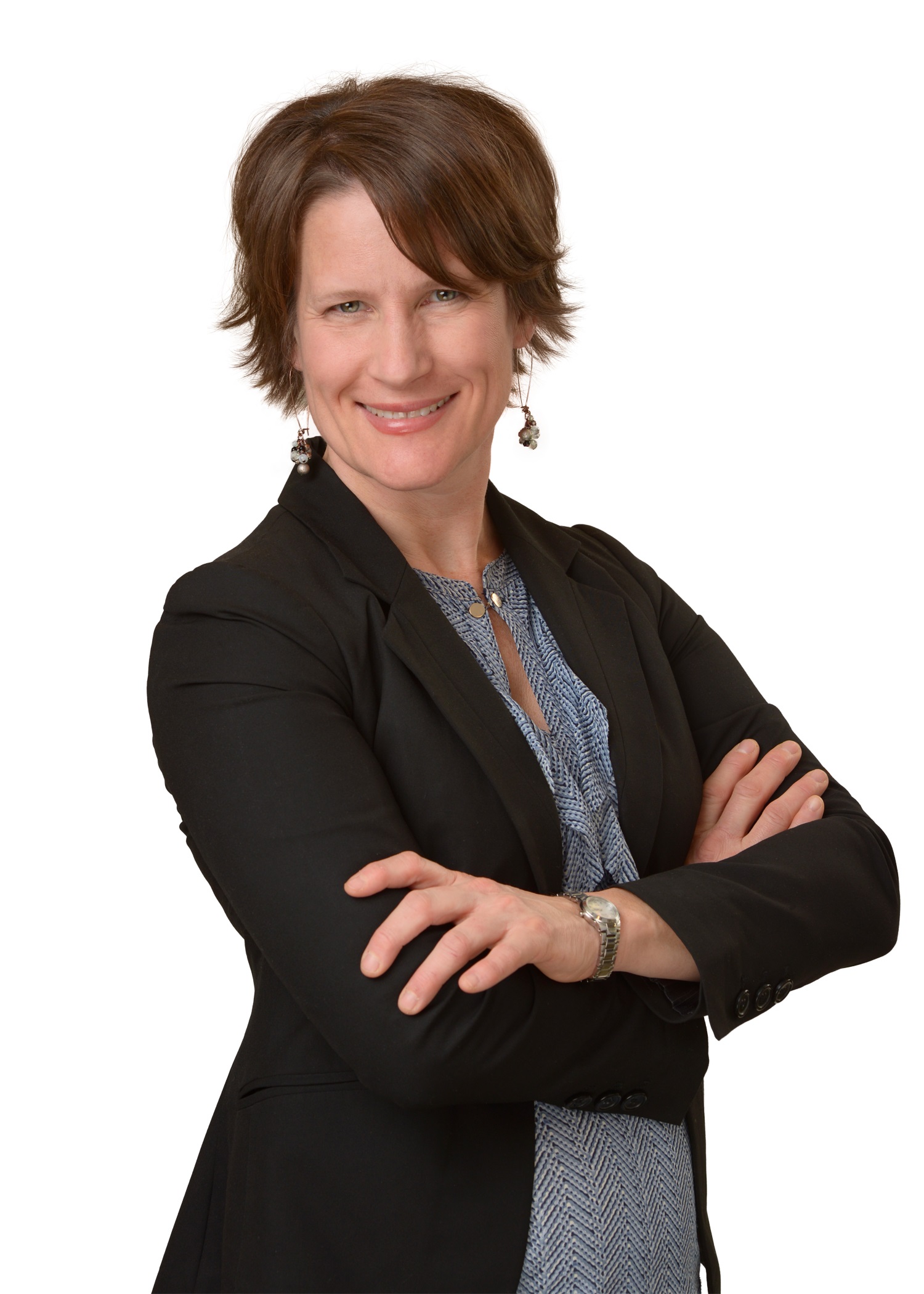
Lisa Stamm
Vice President, Consulting Services, Sherrill Morgan

In this week’s podcast, Lisa Stamm discusses various strategies for mitigating health plan risks.
Strategies that Lisa elaborates on include implementing deductibles with a rate cap for individuals on a health plan and ensuring cash-flow protection for aggregate coverage. The latter strategy allows employers to pay for large claims without waiting for reimbursement from the stop-loss carrier. Lisa also delves into scenarios where an employee may not be covered by a health plan.
Another topic for discussion revolves around specialty drugs. Specialty drugs are a significant concern for health plans, especially because of their high costs. Specialty drugs typically cost more than $1,000 per month and are developed for specific conditions. They are life-saving or life-altering for those who need them, but they can also bankrupt health plans.
*The views and opinions expressed in the Public Risk Management Association (PRIMA) blogs/podcasts are those of each respective author/speaker. The views and opinions do not necessarily reflect the official policy or position of PRIMA.*
Lisa Stamm
Vice President, Consulting Services, Sherrill Morgan
Summary of Qualifications
Lisa is a graduate of Northern Kentucky University and the University of Cincinnati College of Law. She has been with Sherrill Morgan since 2005 and manages health and welfare benefit plans, particularly in the self-funded arena. As a licensed attorney, she can consult clients regarding applicable state and federal laws regarding health plans. She is also available to answer questions regarding compliance with applicable laws, including federal health care reform, COBRA, ERISA and HIPAA. Lisa is also an expert and featured speaker on regulatory issues, particularly as they relate to health care reform. She has been a member of the Kentucky Bar Association since 1992.
Responsibilities
Lisa is the VP of the consulting division. She and her team oversee all self-funded groups. She is the primary contact for regulation, compliance, and health care reform issues and questions. She has an outstanding track record in reducing and maintaining plan costs. Her vast experience makes her invaluable to her clients.
Business Experience
Lisa has been with Sherrill Morgan since 2005, and she has worked with a wide variety of clients in that time including both public and private employers in Ohio, Kentucky, and Tennessee.
You Might Also Be Interested In
Do We Have To? Why FEMA Should Be Part of Your Risk Management
Joe Blasi
Sr. Executive Vice President, McGriff Insurance Services

Jeb McPherson, CPA, CFF, FCPA
Public Entity Practice Leader, Disaster Recovery Services
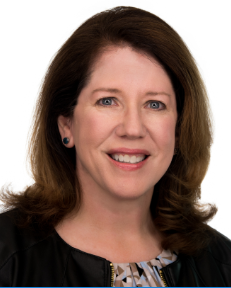
Edie Mitchell
Director of Risk Management, University of California, San Diego

In this podcast, Joe Blasi, Jeb McPherson and Edie Mitchell discuss the importance of having FEMA as part of your risk management strategy.
Interplay Between FEMA, PA and Insurance
The guests discuss the relationship between FEMA, PA (public assistance), and insurance, and how these funding sources can be utilized together. After a declared disaster, public entities can leverage FEMA to cover uninsured losses. Insurance policies often have debris sublimits, and this is where FEMA can assist in the recovery process.
Maximizing Total Recovery
When maximizing the total recovery, the strategy must factor in property insurance claims, insurance company claims, and the use of consultants or internal resources. FEMA has recently undergone a lot of policy changes, and keeping up with them can be a challenge, especially for those who are not familiar with the day-to-day operations. That is why it is important to engage outside parties who specialize in the FEMA process and understand the various rules and guidelines.
Common Pitfalls to Avoid
The guests share some common pitfalls to avoid when submitting projects to FEMA. One is the documentation and final audit requirement, which must be well organized and stored properly. Another pitfall is the cost-benefit analysis, as the FEMA process can take 5-10 years to settle. The procurement process is also a challenge, and it is important to maintain the story of the disaster and the recovery process within the agency.
Navigating the Grant Administrator Process with FEMA
Unfortunately, there is no easy way to navigate the grant administrator process with FEMA. It is a complex and consuming process, and it is important to engage outside parties who do this all day every day to avoid common pitfalls and maximize recovery. It is the role of a broker or insurance advisor to ensure from a financial perspective that there is no economic loss following a disaster.
*The views and opinions expressed in the Public Risk Management Association (PRIMA) blogs/podcasts are those of each respective author/speaker. The views and opinions do not necessarily reflect the official policy or position of PRIMA.*
Joe Blasi
Sr. Executive Vice President, McGriff Insurance Services
Summary of Qualifications
Joe is a senior executive vice president with McGriff Insurance Services. He and his team have served the risk management and insurance needs of educational entities and local governments for over 25 years. During that period, Joe has provided assistance with several large insurance claims associated with varying types of natural disasters.
Responsibilities
- Coverage Analysis
- Insurance Claims Management
- Captive Formation
- Risk Data Analytics
- Catastrophe Modeling
- Insurance Placement
- Loss Prevention Systems
Professional Affiliations
- Associate in Risk Management (ARM)
- Chartered Property & Casualty Underwriter (CPCU)
- Licensed Risk Manager
Education
University of St. Thomas (BBA)
Jeb McPherson, CPA, CFF, FCPA
Public Entity Practice Leader, Disaster Recovery Services
Summary of Qualifications
Jeb has over 20 years of extensive, hands-on experience specializing in the management of catastrophic, complex claims within the public entity sector. He focuses on a strategic approach to working through the FEMA grant management process as well as commercial insurance and/or other federally funded programs (i.e. FTA). Jeb knows why FEMA experience matters after assisting hundreds of applicants through FEMA's tedious recovery process.
Business Experience
- Disaster Recovery Services LLC, Practice Leader, 2017 - Present
- Marsh, Senior Vice President, 2000 - 2017
- Reznick Group, 1996 - 2000
Professional Affiliations
- Certified Public Accountant (CPA)
- Certified in Financial Forensics (CFF)
- Forensic Certified Public Accountant (FCPA)
- American Institute of Certified Public Accountants (AICPA)
- Georgia Society of Certified Public Accountants (GSCPA)
Education
University of Georgia, Athens (BBA)
Edie Mitchell
Director of Risk Management, University of California, San Diego
Summary of Qualifications
Edie is an experienced risk management professional with two decades of insurance and risk management expertise and leadership in the higher education, international energy as well as real estate and retail sectors. As director of risk management, Edie is responsible for multiple insurance and risk management programs such as core loss prevention efforts, financial recovery via claims and risk mitigation consultation for the campus’ highly variable activities. Edie is past-chair of the University of California’s Risk Management Leadership Council (RMLC), serves as the RMLC liaison to University of California’s Emergency Management and Business Continuity Cohort, and serves on University of California, San Diego’s Risk Steering Committee, Vehicle Accident Review Board and Youth Program Oversight Committee. Edie is a member of the University Risk Management and Insurance Association (URMIA), Higher Education Protection Network (HEPNet), and has served as an executive board member for the Pacific Safety Center (PSC) and the Risk and Insurance Management Society (RIMS), San Diego chapter. Prior to joining University of California, San Diego, she provided corporate risk management services at Sempra Energy, a global energy holding company. Edie holds a degree in business administration, emphasis in finance, from University of California, Riverside. She also holds Associate in Commercial Underwriting, Associate in Risk Management and Enterprise Risk Management professional designations from the Insurance Institute of America and is a recent graduate of the CORO UC Leadership Collaborative.
You Might Also Be Interested In
First Responders Protect Us: Let’s Help Them Heal!
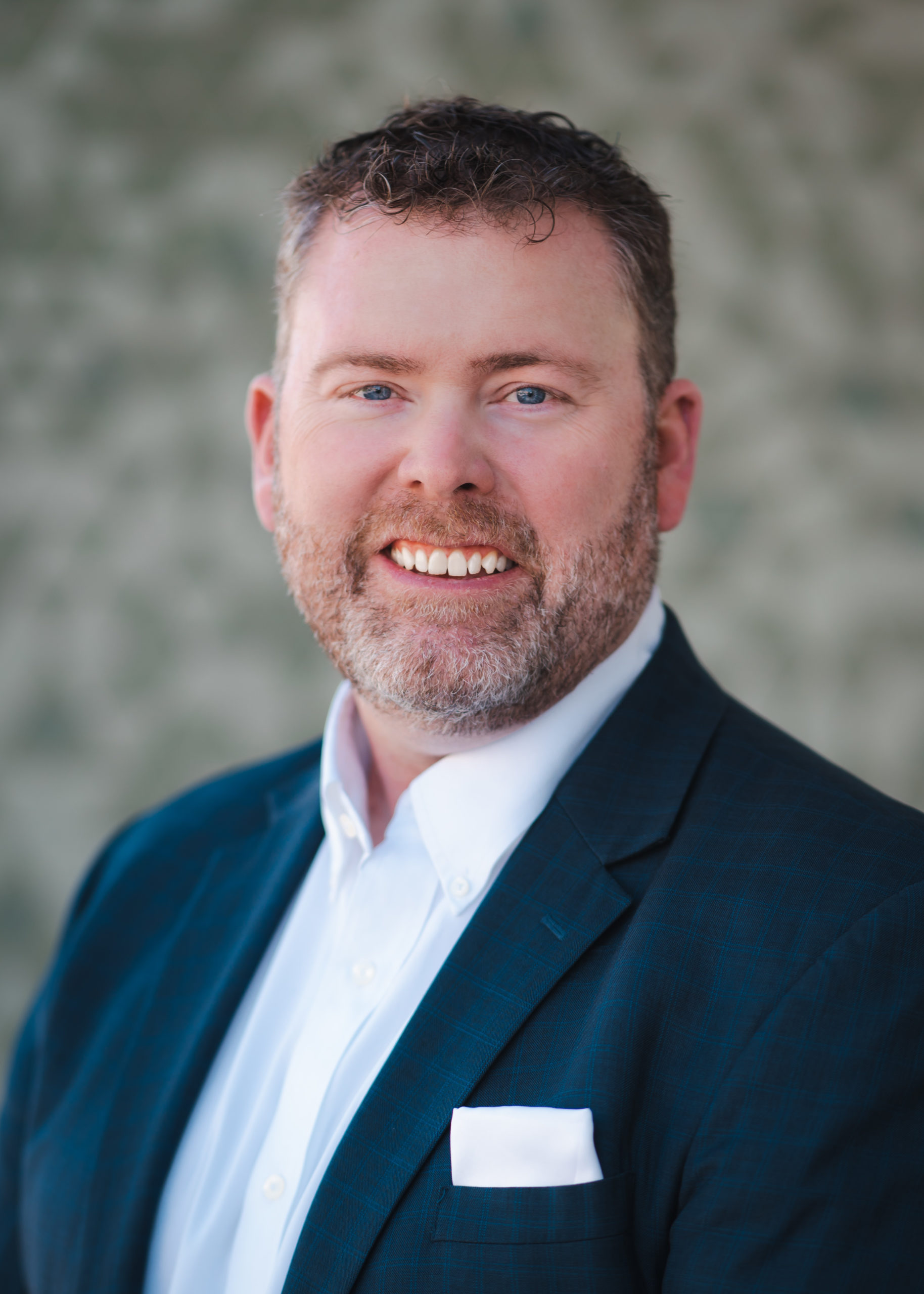
Gerry Stanley, M.D.
SVP & Chief Medical Officer, Harvard MedTech

Gerry Stanley gives his expertise and experience on ways to identify injuries or trauma encountered by first responders. He states that larger events are easier to identify, while smaller or day-to-day traumas are harder to track due to incremental buildup.
An example of trauma experienced by first responders centers around COVID-19. Many of the initial needs of the public during the pandemic were shouldered by first responders when hospitals and family members were unable to meet the needs of people.
Identification may be tricky when treating first responders, as many of them don’t feel comfortable self reporting. At times, it should be considered by supervisors to maintain the attention to detail and wherewithal to identify and address the stress their responders may be facing. It is important to maintain a holistic perspective or a wellness element within the organization.
There are also new solutions that provide help for individuals while at home, including virtual check ins. Organizations need to ensure consistency with regards to first responder access to counselors and other wellness professionals.
*The views and opinions expressed in the Public Risk Management Association (PRIMA) blogs/podcasts are those of each respective author/speaker. The views and opinions do not necessarily reflect the official policy or position of PRIMA.*
Gerry Stanley, M.D.
SVP & Chief Medical Officer, Harvard MedTech
Responsibilities
Gerry leads a digital health technology company that focuses on utilizing a biopsychosocial model to deliver trauma informed care to patients by utilizing virtual reality technology in the patient’s home coupled with personalized behavioral health intervention strategies to assist employers and insurance carriers in managing patient populations to ensure optimal outcomes while containing costs. He coordinates contracts between payers, employers, providers, adjusters and case managers to drive optimal triple aim outcomes for all involved parties while aligning emerging and evolving markets. Gerry facilitates capital discussions between early investors, Series A and venture partners as part of a strategic initiative for corporate growth. He also leads fundraising efforts between $1M and $20M per engagement. He represents the company as the thought leader and market facing presence for onsite and virtual speaking engagements, podcasts, television appearances and partner/corporate strategy sessions. Gerry develops content for the virtual reality platform, including but not limited to authorship, narration and visioning of virtual worlds/visual presentations. In addition, Gerry develops and leads a multi-specialty group of physicians in the HMT Medical Advisory Board.
ERM Experience
Gerry developed and maintained a national health system utilizing PRM and claims data to minimize risk, lower cost and improve patient outcomes. He also develops software and a platform to serve patients and payers to minimize opioid risks and serve patients dealing with the bio-psycho-social aspects of trauma and injuries. Gerry consults with health systems and enterprise-level employers to review benefits plans and risk strategies to develop new and innovative strategies.
Professional Affiliations
- American Academy of Family Physicians
- Risk and Insurance Management Society
Education
- Northwestern University: Kellogg School of Management - Physician CEO certification
- Northern Colorado Medical Center: Family Medicine Residency
- Creighton University School of Medicine
- Creighton University College of Arts and Sciences