Smarter Fleets, Safer Streets: Leveraging Telematics, Cameras and AI for Safety, Accountability and Cost Control
Kay Al Mannai, Chief Executive Officer and Chief Financial Officer, Hartford Parking Authority

June 17 | 12:00 p.m. – 1:00 p.m. ET
This webinar highlights how the Hartford Parking Authority (HPA) uses telematics, camera technology, and AI-driven analytics to create smarter fleets and safer streets. Participants will see how real-time data improves driver accountability, supports proactive maintenance, and strengthens liability protection. Case studies will show how detailed video and GPS evidence have resolved insurance disputes, reduced claims, assisted law enforcement in solving crimes, and identified staff who may benefit from additional training. The session will also explore strategies for gaining union support, leveraging city purchasing power to reduce implementation costs, and embedding telematics into budgeting, fleet planning, and risk management processes to enhance safety and operational efficiency while keeping streets safe.
Attendee Takeaways:
- How telematics, cameras, and AI create smarter fleets by reducing liability, improving efficiency, and controlling costs
- How real-time fleet data helps achieve safer streets by supporting law enforcement, verifying driver actions, identifying staff training needs, and providing clear documentation that unions can agree upon
- How organizations can gain union support for implementing telematics and leverage city consortium purchasing power to secure reduced pricing – while embedding these technologies into budgeting, fleet planning, and risk management strategies
Presenter

Kay Al Mannai, Chief Executive Officer and Chief Financial Officer, Hartford Parking Authority
Kay is the CEO and CFO of the Hartford Parking Authority, where she oversees financial operations including accounting, budgeting, forecasting, procurement, cash management, employee benefits and risk management. She uses financial analysis and operational data to guide fleet strategy, select vendors, and make data-driven decisions on vehicle replacement to minimize risk and control costs. Kay also supports major capital and technology projects—such as telematics, camera systems and EV charging infrastructure—that enhance safety, efficiency, and long-term sustainability for the City of Hartford. With a background in private equity, investment banking, management consulting, and M&A, she brings an analytical and collaborative approach to municipal finance and public-risk considerations. Her focus is on safeguarding public assets, improving operational reliability and aligning financial practices with community needs.
You Might Also Be Interested In







Detoxifying Safety Culture: Antidotes to Common OSHA Pitfalls
Matt Phillips, MS, MBA, Safety and Risk Manager, Hanover County and Hanover County Public Schools (VA)
Thank you to Vector Solutions for sponsoring this webinar.

July 15 | 12:00 p.m. – 1:00 p.m. ET
Safety culture isn’t built on compliance alone. Join Matt Phillips as he explores eight common “poisons” that sabotage workplace safety—and the practical “antidotes” to overcome them. Walk away with real-world strategies to promote shared accountability, proactive learning, and lasting cultural change.
Attendee Takeaways:
- Safety culture goes beyond compliance—continuous improvement is essential
- Outdated practices and attitudes can be challenged and replaced with innovative, safer methods
- Everyone shares responsibility for safety; it cannot rest solely on the safety manager
- Proactive learning and prevention mindsets reduce incidents and build long-term resilience
Presenter

Matt Phillips, MS, MBA, Safety and Risk Manager, Hanover County and Hanover County Public Schools (VA)
Matt is the safety & risk manager for Hanover County Government and Hanover County Public Schools, where he leads safety programs, risk management initiatives and claims administration. With more than 20 years of experience in industrial hygiene, construction and general industry safety, emergency services, and risk management, he has a proven track record of building effective safety teams and training programs. Matt holds an MBA from Virginia Commonwealth University, an M.S. in safety management from West Virginia University, and a B.S. in chemistry from Shepherd University. He is a Six Sigma Advanced Blue Belt and a certified EMT in Virginia. An active leader in professional associations, he has served as president of the ASSP Colonial Virginia Chapter and as a member of the VA PRIMA Executive Board.
You Might Also Be Interested In
It’s All About the (Tax) Base, No Trouble: Risk Management on Any Budget
Megan Damato, Esq., Director of Risk Management, Town of Greenwich and Greenwich Public Schools
Sara Lowenthal, Director of Safety and Risk, City of Hartford, CT
August 19 | 12:00 p.m. – 1:00 p.m. ET
Whether you're a small, medium, or large public entity, managing risk is essential—but it doesn’t have to break the bank. This presentation explores effective, scalable risk management strategies tailored to fit organizations of any size and budget. Learn how to identify key risks, prioritize them based on impact, and implement low-cost or no-cost mitigation measures that align with your goals.
Attendee Takeaways:
- Budget-friendly solutions for risk monitoring and control
- Real-world examples of cost-effective risk responses
- Learning how to identify and prioritize key risks to a public entity
- Prioritization techniques to focus on high-impact risks
Presenters

Megan Damato, Esq., Director of Risk Management, Town of Greenwich and Greenwich Public Schools
Megan was the recipient of PRIMA’s Public Risk Manager of the Year award in 2021. She began her career as an attorney before entering risk management. She earned her JD from Quinnipiac University School of Law in 2005. That background has been a valuable foundation in designing coverages and managing claims. Megan founded the Cyber Security Task Force and the Town’s Defensive Driving Program. She is past president and secretary of the CT Chapter of PRIMA and founding president of the newly established PRIMA New England, past chair and member of the National PRIMA’s Education Committee, and has served as both Chair and member of PRIMA’s Chapter Relations and Membership Enhancement Committee.
Sara Lowenthal, Director of Safety and Risk, City of Hartford, CT
Sara has served as the director of safety & risk management for the City of Hartford for the last six years. During her tenure, she actively participated in the Uniformed Professional Fire Fighters Association of Connecticut’s (UPFFA of CT) Fire Ops program where she had the opportunity to experience what fire fighters deal with on a daily basis. This experience led her to become an advocate for firefighters and fire safety. Prior to her current role, she accumulated 20 years of experience working for insurance carriers Chubb, AIG and Starr in a variety of roles including accounting, claims, IT, operations, underwriting and vendor management. Sara is the treasurer of the CT Valley RIMS chapter and is a board member of the CT PRIMA chapter.
You Might Also Be Interested In
EPLI-CHROs and Other Employment Claims
Amanda Alexander, Partner/Owner, Alexander Law
Ya’Sheaka C. Williams, Partner, Quintairos, Prieto, Wood & Boyer, P.A.
September 16 | 12:00 p.m. – 1:00 p.m. ET
Join us for a focused session on navigating today’s complex employment-related risks and understanding how Employment Practices Liability Insurance (EPLI) can protect your organization. This webinar will highlight the key benefits of EPLI coverage, clarify the types of issues and claims these policies typically address, and walk you through best practices for responding to claims from regulatory agencies. Whether you’re looking to strengthen compliance or reduce organizational exposure, this session will offer practical insights you can use immediately.
Attendee Takeaways:
- Benefit of having EPLI coverage
- Educating on the issues/claims covered by EPLI policies
- How to respond to claims from regulatory agencies
Presenters
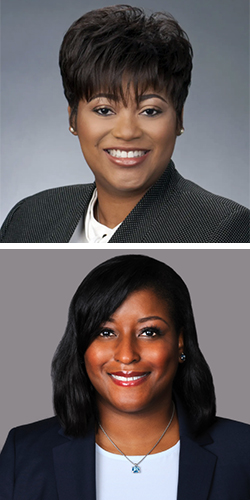
Amanda Alexander, Partner/Owner, Alexander Law
Amanda is of counsel to the Jackson, MS office of Quintairos, Prieto, Wood & Boyer, P.A. Amanda and her firm Alexander Law represent insurance carriers, businesses, and public entities in the areas of commercial litigation. She handles a wide range of matters involving first-party property claims, premises liability, motor vehicle liability, commercial general liability, insurance defense coverage matters, labor and employment law, workers’ compensation and the representation of employers, self-insured employers and their insurance carriers. Amanda represents clients in state and federal courts, in arbitration, appeals, mediation, and in administrative hearings. She has attained the highest Peer Review Rating of AV® from the Martindale-Hubbell Law Directory and is recognized as a Mid-South Super Lawyer.
Ya’Sheaka C. Williams, Partner, Quintairos, Prieto, Wood & Boyer, P.A.
Ya’Sheaka is a partner in the Tampa office of Quintairos, Prieto, Wood & Boyer, P.A., the largest woman and minority owned law firm in the country. Ya’Sheaka’s practice involves the representation of employers, self-insured employers and insurance carriers in all aspects of workers’ compensation claims in Florida and appears before Judges of compensation claims throughout Florida. Ya’Sheaka became recognized as an expert in workers’ compensation law when she became board certified by the Florida Bar Board of Legal Specialization and Education. She is also a certified worker’ compensation law instructor by the Florida Department of Financial Services and has presented numerous classes and seminars to employers and claims adjusters throughout Florida.
You Might Also Be Interested In
Roadway Safety, Defensive Driving, and Controlling Distractions
Ariel Jenkins, CSP, CPCU, ARM-P, ARM-E, AIDA, MBA, Assistant Vice President, Risk Control, Safety National
Thank you to Trident Public Risk Solutions for sponsoring this webinar.

October 28 | 12:00 p.m. – 1:00 p.m. ET
This training highlights the critical risks of distracted and unsafe driving, emphasizing that even brief lapses in attention can lead to severe consequences. It covers defensive driving strategies, including proper following distances, mirror adjustments, safe intersection practices, and awareness of pedestrians, cyclists, and inclement weather. Special focus is placed on reducing distractions from mobile devices and multitasking, supported by real-world accident statistics and scenarios. The session includes tailored safety considerations for law enforcement and other high-risk driving environments.
Attendee Takeaways:
- Recognize distracted driving risks through data, reaction times, and safe communication practices
- Apply defensive driving skills with safe distances, proper mirror use, and hazard anticipation
- Adapt to conditions by adjusting for weather, visibility, and vulnerable road users
- Commit to safety protocols for backing, load securement, and operational driving
Presenter
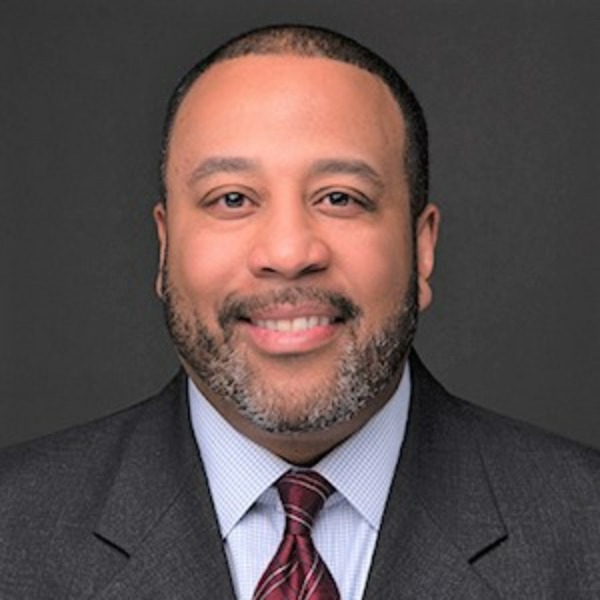
Ariel Jenkins, CSP, CPCU, ARM-P, ARM-E, AIDA, MBA, Assistant Vice President, Risk Control, Safety National
Ariel is a property and casualty risk control and safety professional with more than 25 years of experience. He specializes in assessing exposures, implementing practical safety programs, and leading initiatives that reduce claims and strengthen organizational resilience. With expertise in enterprise risk management and occupational safety, Ariel delivers measurable improvements in compliance, culture and performance. He is also committed to mentoring future leaders and advancing innovation in risk control.
You Might Also Be Interested In
Navigating Property Risk in Today’s Realities: Value Trends, Critical Asset Risks and Continuity Planning
Maximilian Glodde, CEO and President, MEO Continuity
Natalia Szubbocsev, Vice President, Appraisals International
November 18 | 12:00 p.m. – 1:00 p.m. ET
In a landscape defined by inflation, supply chain disruptions, and shifting regulatory pressures, understanding how property values evolve is central to effective risk management. This session explores how changes in replacement costs and asset exposure affect capital planning, insurance adequacy, and organizational resilience. It also looks at the intersection of property risk and business continuity—how identifying critical assets and value drivers can strengthen preparedness and protect public sector operations against emerging risks.
Attendee Takeaways:
- How inflation, supply chain issues, and regulatory changes affect the value of public sector assets
- Why up-to-date asset values are critical for insurance coverage, capital planning, and protecting key operations
- How to use current asset values and critical asset insights to guide risk reviews and continuity planning
Presenters

Maximilian Glodde, CEO and President, MEO Continuity
Maximilian is the CEO and co-founder of MEO Continuity, a technology company helping enterprises strengthen business continuity and operational resilience. He combines a background in financial services, commercial property insurance and risk consulting with deep expertise in resilience strategy, giving him a unique financial and operational perspective.
At MEO, Max drives the company’s vision of making continuity planning simple, intuitive, and effective, building partnerships with global firms and supporting enterprises across industries such as manufacturing, retail, and healthcare.
Natalia Szubbocsev, Vice President, Appraisals International
Natalia brings over 15 years of broad experience in the insurance valuation industry, with a background spanning business development, appraisal review, and project management. As executive vice president at Appraisals International, a global fixed-asset valuation firm, Natalia leads operations and drives strategic initiatives across the company's public- and private-sector engagements.
A seasoned presenter and writer, she often shares her expertise on property valuation, risk management, remote collaboration, and inclusion. Natalia holds a Master of Business Administration and is currently pursuing her CRM and ASA-ARM designations. Her insights into property risk and the importance of accurate valuations in an evolving insurance landscape make her a respected voice in the field.
You Might Also Be Interested In
Artificial Intelligence and Digital Alerting: Essential Crash Mitigation Tools for Public Entities
Harry Earle, Associate Director, Law Enforcement Risk Control, J.A. Montgomery Consulting
December 16 | 12:00 p.m. – 1:00 p.m. ET
This webinar explores the extreme vulnerabilities associated with police and other first responder vehicle operations and delivers meaningful takeaways for crash mitigation. Traditional crash prevention measures have often focused narrowly on emergency driving. However, all aspects of emergency vehicle operation must be examined, taking today's technology into account, to help prevent and adequately investigate first-responder-involved crashes. Many first responder agencies drastically underutilize vehicle-to-vehicle digital alerting systems, telematics, Collision Avoidance Systems (CAS), and Advanced Driver-Assisted Systems (ADAS). This session explores the risks of inconsistent usage and lack of policy guidance on available vehicle technology.
Attendee Takeaways:
- Understanding how first responder-involved crashes are a growing concern and how an effective general non-emergency driving crash prevention program can also help mitigate crashes
- Learn how police departments can and should use today's technology to mitigate crashes, such as vehicle-to-vehicle digital alerting systems, telematics, GPS, vehicle manufacturer Collision Avoidance Systems (CAS), and Advanced Driver Assist Systems (ADAS)
- Participants will find the resources and materials highly beneficial, including an overview of the role of supervisors in collecting and reviewing motor vehicle crash reports to improve safety
Presenter
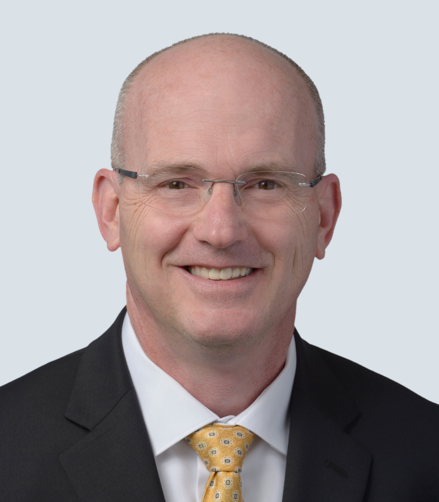
Harry Earle, Associate Director, Law Enforcement Risk Control, J.A. Montgomery Consulting
Harry served as the chief of police for the Gloucester Township Police Department in Camden County, NJ for 10 years. Harry is a past president of the Camden County Chiefs of Police Association and is a member and past chairperson of the IACP (International Association of Chiefs of Police) Juvenile Justice Child Protection Committee. Harry has a bachelor's degree in criminal justice and a master's degree in human resource development. Harry is also a graduate of the FBI National Academy. Harry has lectured extensively on risk management, officer wellness and safety, and violence prevention.